10 Common Myths About Injection Molding Debunked
Understanding Injection Molding
Injection molding is a popular manufacturing process used to produce complex parts with high precision. Despite its widespread use, several myths surround this technique, often leading to misconceptions. Let's explore and debunk some of these common myths.
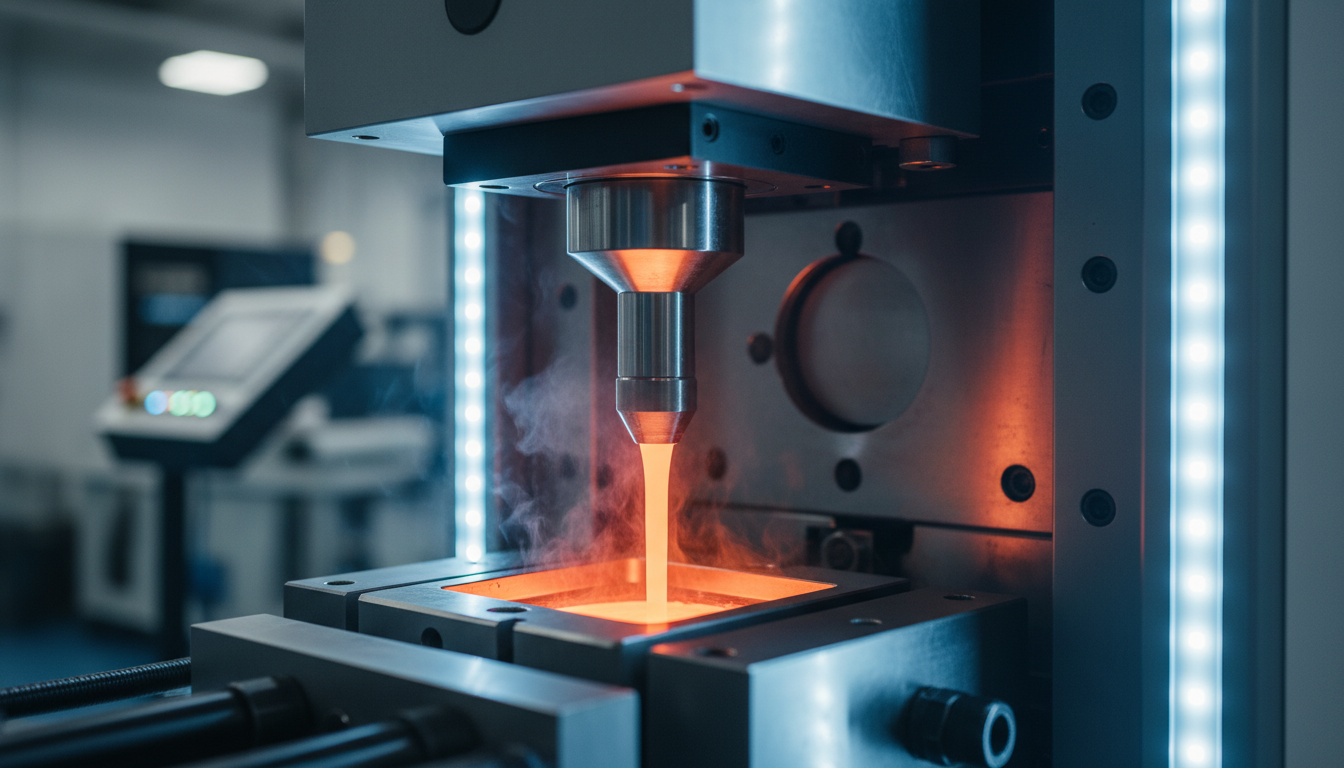
Myth 1: Injection Molding is Only for Large Production Runs
It is often believed that injection molding is only suitable for large-scale production. While it's true that the process is highly efficient for mass production, it is also economically viable for small to medium-sized runs, thanks to advancements in technology and materials.
Myth 2: Injection Molding is Too Expensive
Many assume that injection molding is prohibitively expensive. However, the initial tooling cost is offset by the low per-unit production cost, especially when producing items in bulk. Additionally, new technologies have reduced tooling expenses.
Quality and Design Concerns
Some myths revolve around the quality and design flexibility of injection-molded products. Let's address a few of these misconceptions.
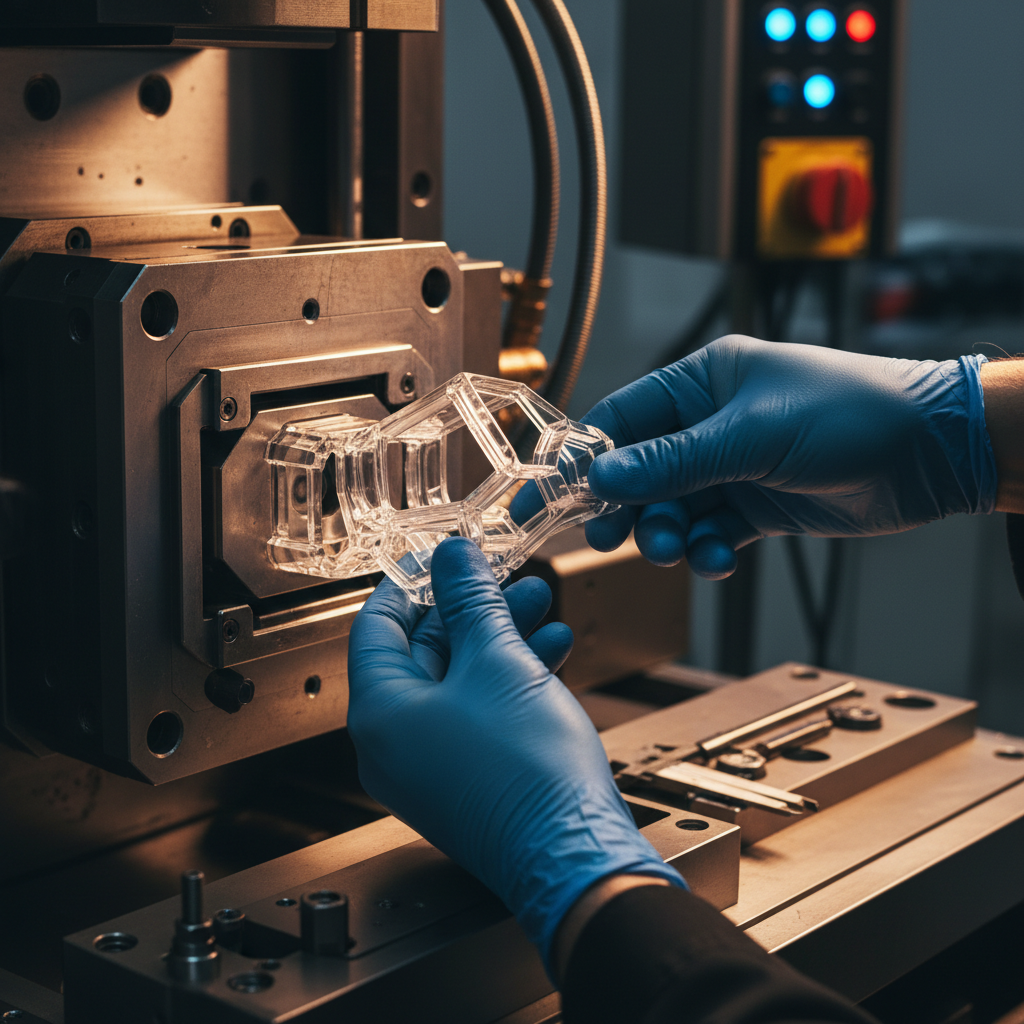
Myth 3: Injection Molding Compromises Product Quality
Contrary to this belief, injection molding can produce high-quality, durable components. With precise control over the process parameters, manufacturers can achieve exceptional surface finishes and material properties.
Myth 4: Limited Design Flexibility
Another common myth is that injection molding restricts design creativity. In reality, it offers immense flexibility, allowing for intricate designs and complex geometries. Engineers can leverage advanced CAD software for innovative product designs.
Material and Environmental Concerns
The choice of materials and environmental impact are also areas where myths persist. Let's explore these aspects.
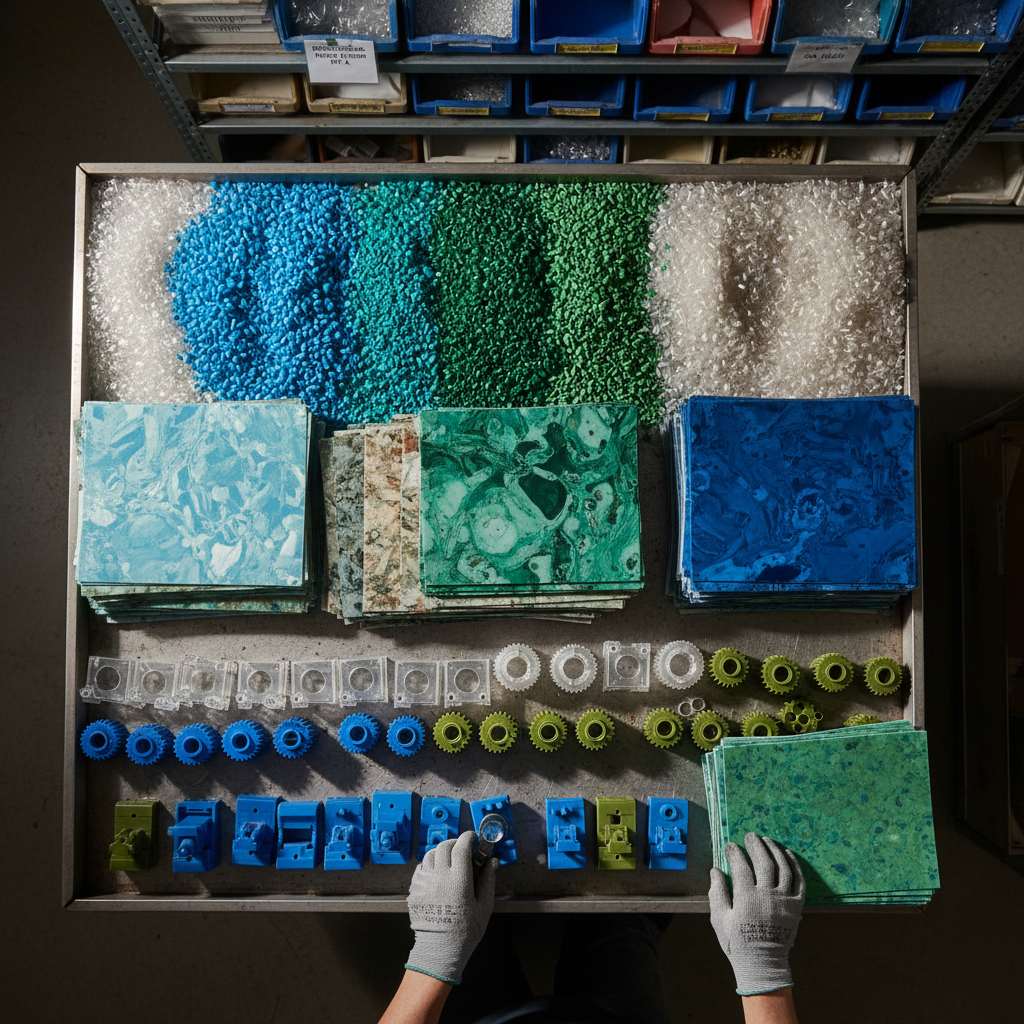
Myth 5: Only Limited Materials Can Be Used
Injection molding supports a wide range of materials, including various plastics, rubbers, and even metals. This versatility allows manufacturers to choose materials that best suit the application and performance requirements.
Myth 6: Injection Molding is Environmentally Unfriendly
Many believe that injection molding is harmful to the environment. However, the process is becoming more sustainable with advancements in biodegradable materials and recycling technologies, significantly reducing waste.
Efficiency and Technical Aspects
Finally, let's tackle some myths related to the efficiency and technical aspects of injection molding.
Myth 7: Injection Molding is Slow
Injection molding is renowned for its speed, making it one of the fastest production methods for high-volume manufacturing. Cycle times can be as quick as a few seconds, depending on the part complexity.

Myth 8: High Scrap Rates
While some manufacturing processes experience high scrap rates, injection molding is designed to minimize waste. Process optimization and quality control measures ensure that scrap is kept to a minimum.
Myth 9: Difficult to Make Changes
Changing designs in injection molding is perceived as difficult. However, modern techniques such as rapid prototyping and 3D printing allow for easier and quicker modifications, enhancing flexibility.
Myth 10: Injection Molding is Only for Simple Parts
Lastly, it's a misconception that injection molding is only suitable for simple parts. In fact, the process is capable of producing highly complex components with intricate details, thanks to advanced mold-making technologies.
Understanding these myths and the realities of injection molding can help businesses make informed decisions and leverage the process to its full potential. By dispelling these myths, we can appreciate the true capabilities and benefits of injection molding in modern manufacturing.