Adapting to Change: Trends in High-Performance Injection Molding
Introduction to High-Performance Injection Molding
In recent years, high-performance injection molding has become a cornerstone of modern manufacturing, evolving alongside technological advancements and market demands. This process allows for the production of complex and precise plastic components, which are essential in industries ranging from automotive to medical devices.
As the industry grows, so do the challenges and opportunities it presents. Staying ahead means adapting to emerging trends and technologies that can enhance efficiency, reduce costs, and improve product quality.
Innovations in Materials
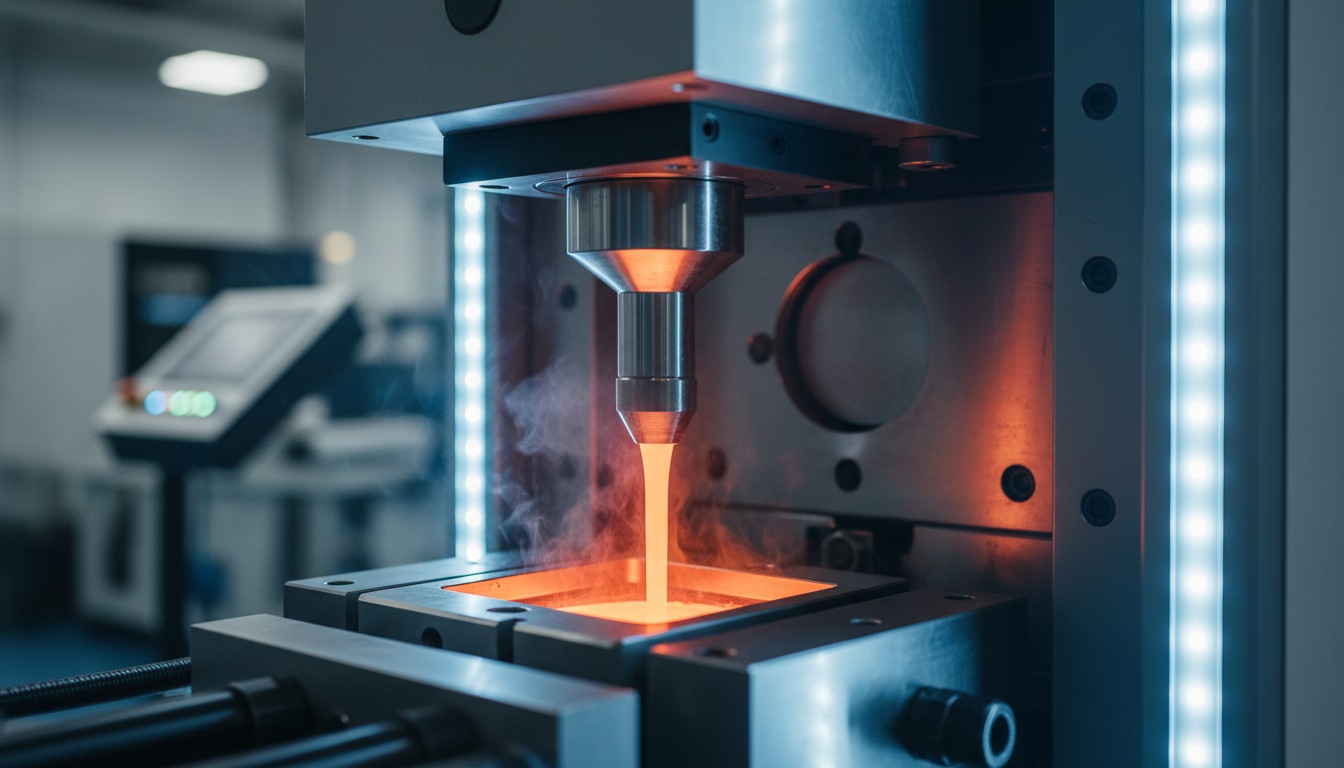
One of the most significant trends in high-performance injection molding is the development of advanced materials. Manufacturers are now using engineered polymers and composite materials to meet the demands of high-performance applications. These materials offer superior strength, durability, and thermal resistance.
Furthermore, sustainable materials are gaining traction. Biodegradable and recycled plastics are becoming more popular, aligning with global sustainability goals and reducing environmental impact.

Smart Manufacturing Techniques
The integration of smart manufacturing techniques is revolutionizing the injection molding industry. Technologies such as IoT, AI, and machine learning are being used to optimize production processes. These innovations enable real-time monitoring and predictive maintenance, minimizing downtime and improving efficiency.
By leveraging data analytics, manufacturers can gain insights into their operations, allowing for more informed decision-making and streamlined processes.
Automation and Robotics
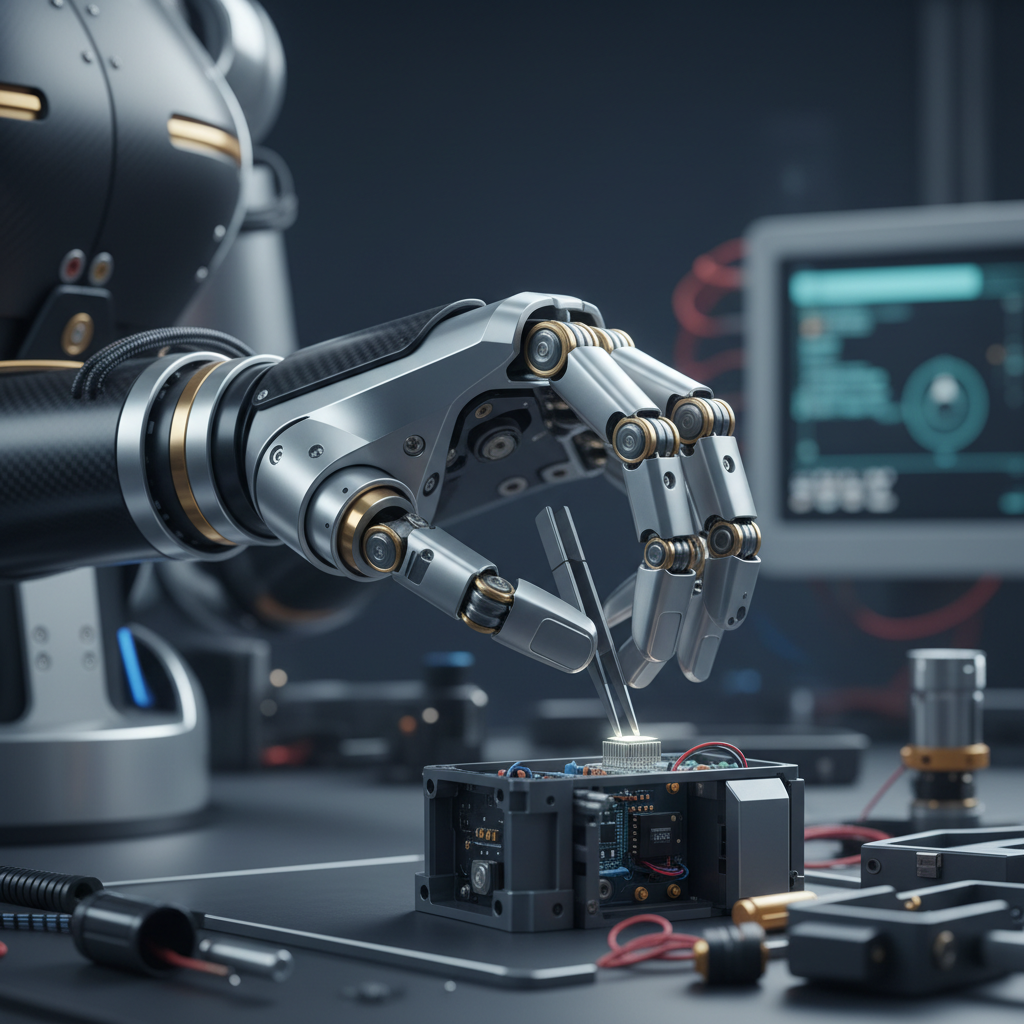
Automation is another critical trend driving change in injection molding. Robotics are increasingly being used to perform repetitive tasks, allowing human workers to focus on more complex activities. This not only boosts productivity but also enhances precision and reduces human error.
Collaborative robots, or cobots, are particularly noteworthy. These machines work alongside human operators, providing flexibility and increasing overall production rates.
Customization and Flexibility
The demand for customized products has led to a shift towards more flexible manufacturing processes. High-performance injection molding now often involves smaller production runs and rapid prototyping to meet specific customer needs.
This trend is supported by advancements in CAD and 3D printing technologies, which allow for quick design adjustments and prototyping, reducing time-to-market.
Quality Control and Assurance
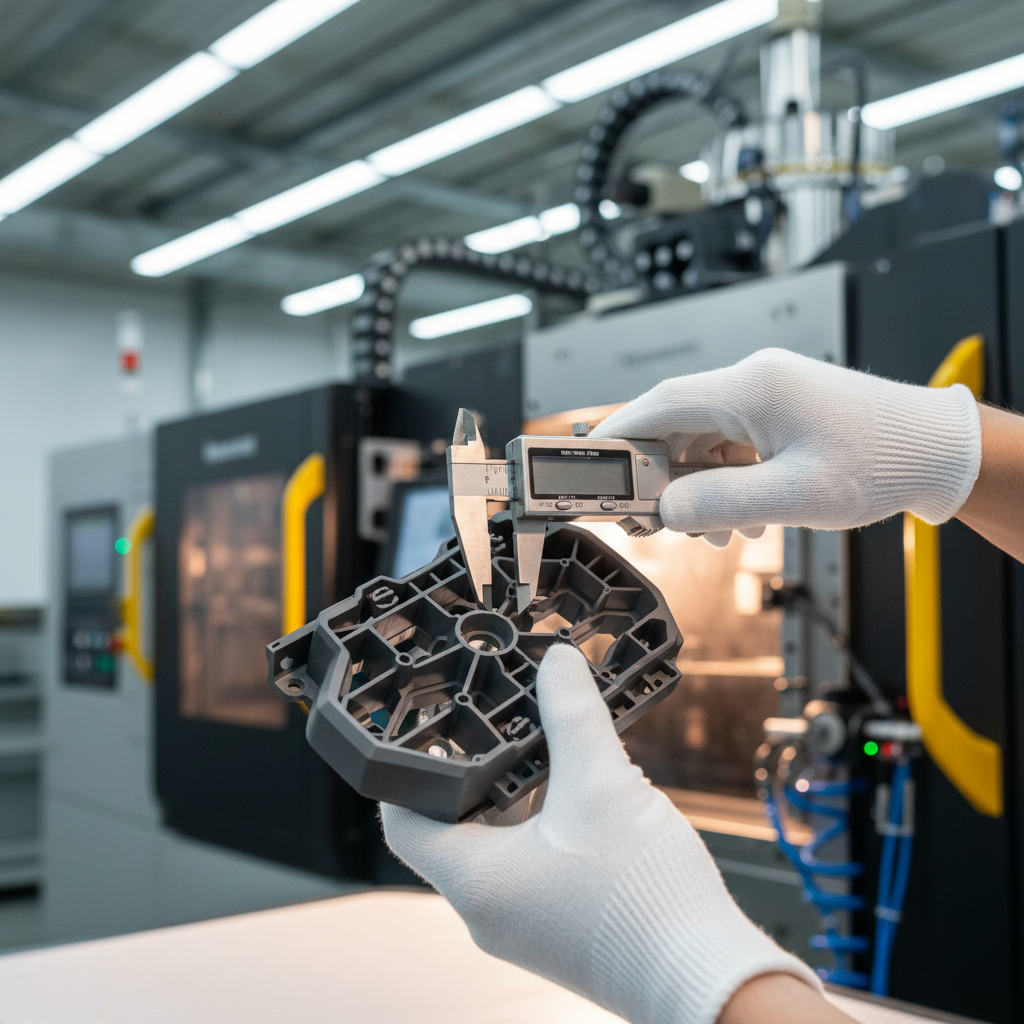
Maintaining high quality is essential in high-performance injection molding. Advanced quality control systems are being implemented to ensure precision and consistency. These systems use sensors and cameras to monitor the production process, identifying defects before they become a problem.
Continuous improvement methodologies, such as Six Sigma, are also popular, helping manufacturers maintain high standards and reduce waste.
Conclusion
Adapting to change in the high-performance injection molding industry is not just about keeping up; it's about leading the way. By embracing new materials, smart manufacturing, automation, and customization, businesses can stay competitive and drive innovation.
As the industry continues to evolve, those who are proactive in adopting and implementing these trends will thrive in the rapidly changing landscape of modern manufacturing.