Case Study: Successful Mold Solutions for Pet Supplies
Introduction to Mold Challenges in Pet Supplies
The pet supplies industry faces unique challenges, one of which is mold contamination. Mold can thrive in various environments, and pet products, often made with organic materials, can be particularly susceptible. This case study explores successful strategies for addressing mold issues in pet supplies, ensuring product safety and quality.
Mold presence not only affects the integrity of products but also poses health risks to pets. Therefore, finding effective solutions is critical for manufacturers and consumers alike.

Identifying the Root Causes
Understanding the root causes of mold in pet supplies is the first step in developing effective solutions. Several factors contribute to this issue:
- Moisture Levels: High humidity and moisture content in products or storage areas can promote mold growth.
- Material Composition: Organic materials such as food and fabric are more prone to mold.
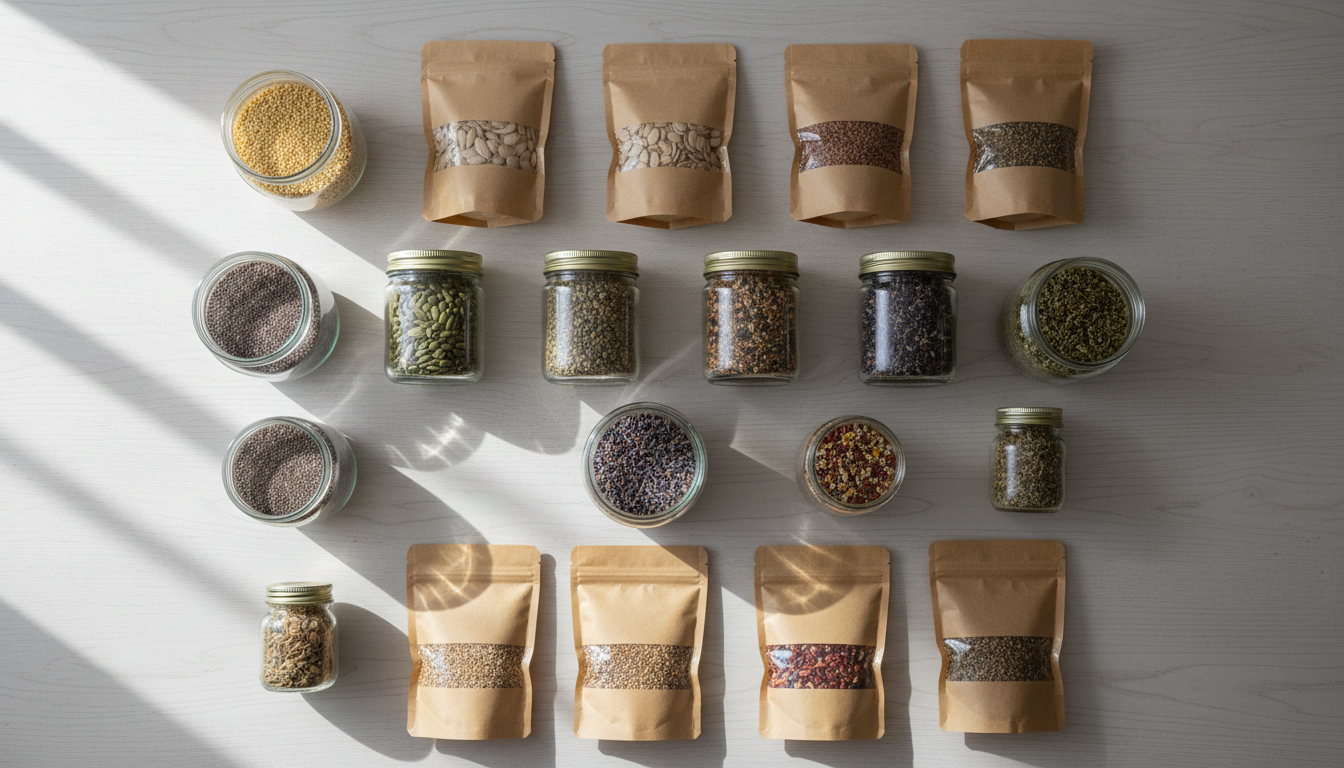
- Packaging: Inadequate or non-breathable packaging can trap moisture, exacerbating mold issues.
By identifying these factors, companies can focus on targeted strategies to mitigate mold growth.
Implementing Effective Mold Solutions
Once the root causes are clear, implementing effective solutions becomes achievable. Here are some strategies that have proven successful:
Improving Storage Conditions
Maintaining optimal storage conditions is crucial. This includes controlling humidity and ensuring proper ventilation in warehouses and retail spaces. Some companies have invested in climate-controlled storage facilities to prevent mold proliferation.
Enhancing Product Formulation
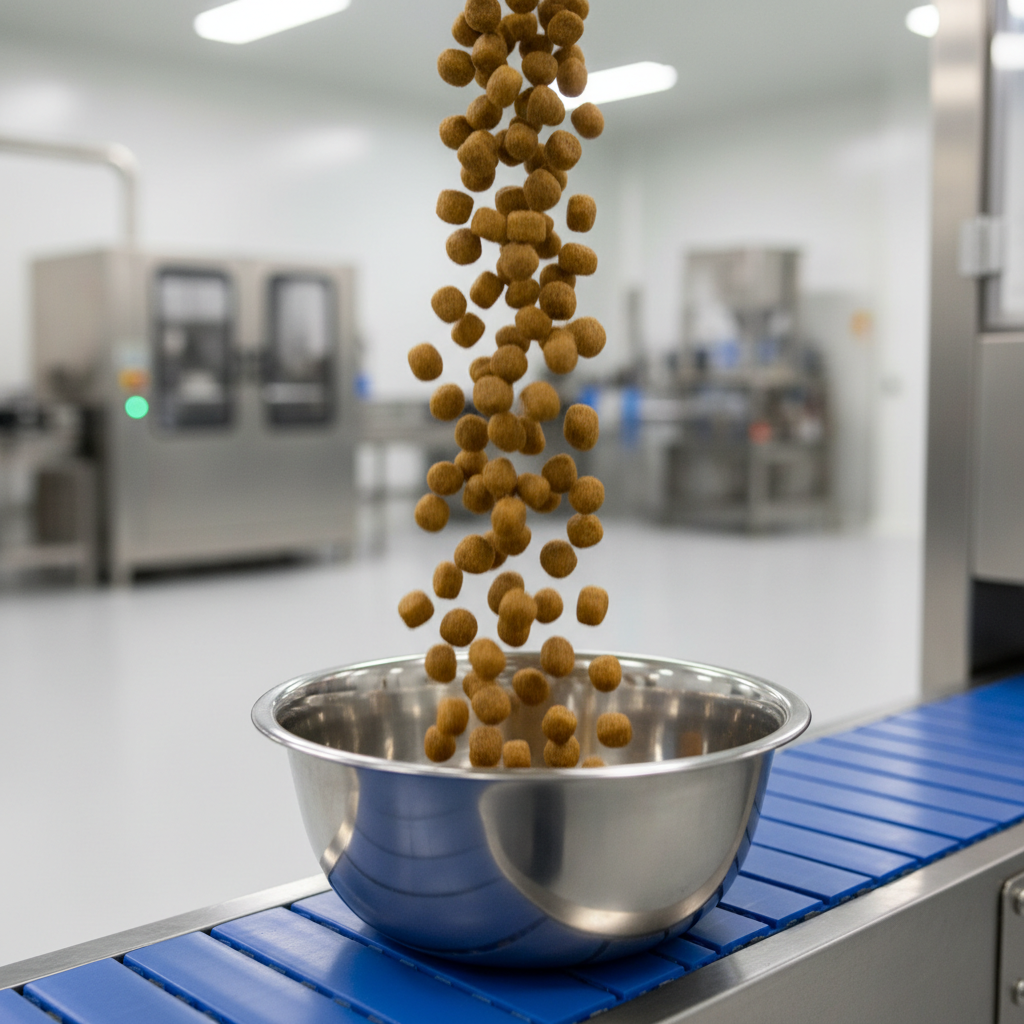
Adjusting the formulation of pet products to include mold inhibitors can be beneficial. These additives prevent mold growth without compromising the safety or quality of the product.
Innovative Packaging Solutions
Packaging plays a vital role in mold prevention. Companies are now exploring innovative packaging solutions that allow for breathability while keeping products protected. For instance, using desiccants or moisture-absorbing packets can significantly reduce mold risks.
Moreover, some brands are adopting eco-friendly packaging materials that are naturally resistant to mold, adding another layer of protection.
Case Study Results and Conclusion
The implementation of these mold solutions has led to significant improvements. Companies reported a marked decrease in mold-related issues, resulting in fewer product recalls and increased customer satisfaction.
In conclusion, addressing mold in pet supplies requires a comprehensive approach, from storage and formulation to packaging innovations. By investing in these areas, the pet supplies industry can ensure the safety and quality of their products, ultimately protecting pets and satisfying customers.