Common Misconceptions About Die Casting: Expert Insights from HXP Mold
Understanding Die Casting: Dispelling Common Myths
Die casting is a widely used manufacturing process that has gained significant traction in various industries. However, many misconceptions still surround this method. At HXP Mold, we believe in educating our clients and partners about the realities of die casting. Here, we address some of the most common misconceptions.

Misconception 1: Die Casting Is Only for Large Production Runs
One prevalent myth is that die casting is only suitable for large-scale production. While it's true that die casting is cost-effective for high-volume production, it is also viable for smaller runs. Advances in technology and techniques have made it more accessible and economical for medium-sized projects as well.
HXP Mold offers flexible solutions that can cater to different production needs, ensuring that even smaller businesses can benefit from the precision and efficiency of die casting.
Misconception 2: Die Cast Products Are Not Durable
Another misconception is that die-cast products lack durability. In reality, die casting produces highly durable components, often used in demanding industries like automotive and aerospace. The strength of die-cast parts comes from the use of high-quality metals and alloys, which are resistant to wear and corrosion.
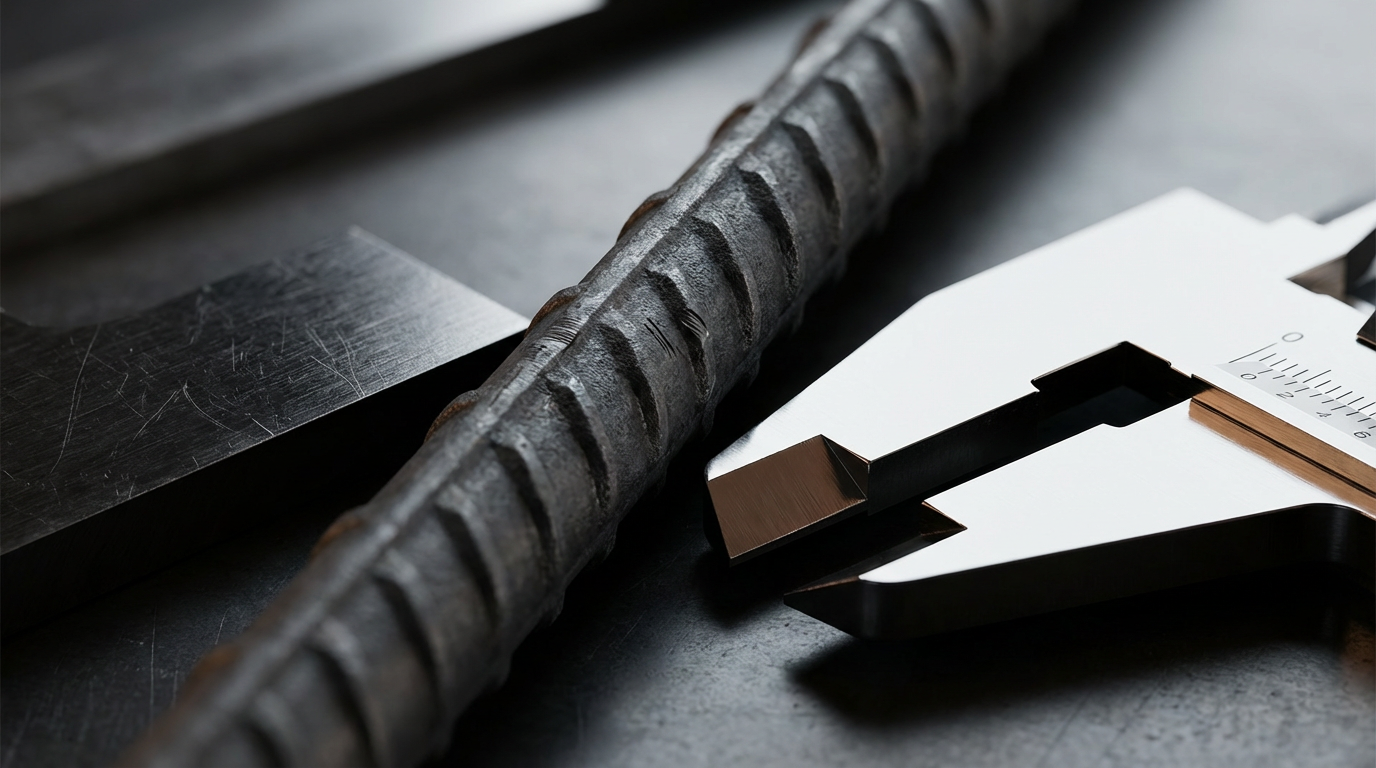
At HXP Mold, we employ rigorous testing and quality control measures to ensure that each product meets industry standards and exceeds client expectations.
Misconception 3: Die Casting Is Expensive
Many believe that die casting is an expensive process. While initial tooling costs can be higher, the long-term benefits often outweigh these expenses. Die casting provides excellent repeatability and low per-unit costs, making it highly economical over time, especially for large production volumes.
Moreover, HXP Mold uses advanced technology to optimize processes, reducing waste and enhancing cost efficiency.

Misconception 4: Limited Design Flexibility
Some assume that die casting offers limited design flexibility. On the contrary, die casting allows for complex shapes and intricate designs that other methods might struggle with. This flexibility enables manufacturers to produce components with exceptional precision and detail.
Our team at HXP Mold works closely with clients to develop custom solutions that meet specific design requirements and innovative needs.
Misconception 5: Die Casting Is Not Environmentally Friendly
Environmental concerns often lead to the belief that die casting is not eco-friendly. However, modern die casting techniques have embraced sustainability. The process involves minimal waste, and the materials used are often recyclable.
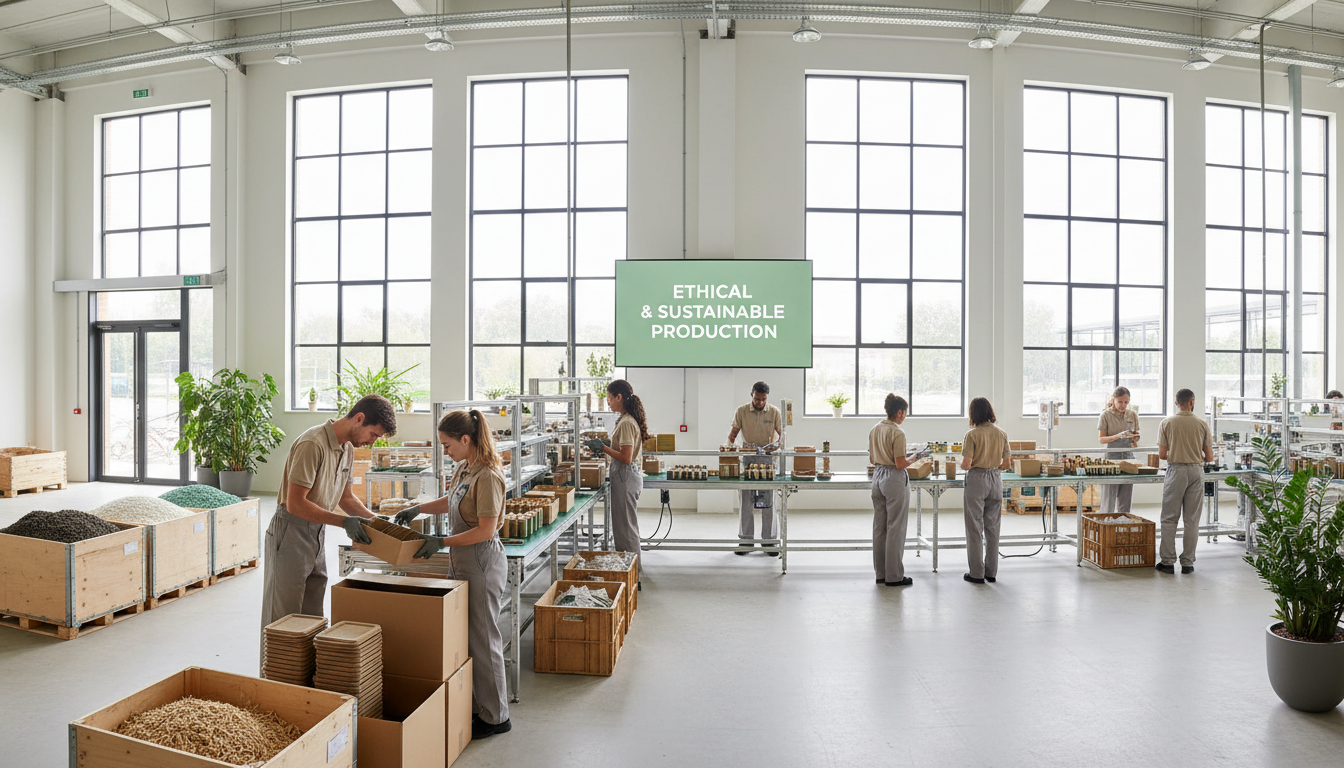
HXP Mold is committed to sustainable practices, continually working to reduce our environmental impact through efficient resource management and recycling initiatives.
Conclusion
Understanding the realities of die casting can help businesses make informed decisions about their manufacturing processes. By dispelling these common myths, we hope to highlight the versatility, efficiency, and sustainability of die casting.
At HXP Mold, we are dedicated to providing expert insights and cutting-edge solutions to help our clients thrive in their respective industries.