Comparing Injection Molding Techniques for Pet Supplies
Understanding Injection Molding for Pet Supplies
Injection molding is a popular manufacturing process used to create a wide range of pet supplies, from food bowls to toys. This technique involves injecting molten material into a mold, where it cools and hardens into the final product. The choice of injection molding technique can significantly impact the quality, cost, and environmental footprint of the end product.

Thermoplastic Injection Molding
Thermoplastic injection molding is one of the most common techniques used in the production of pet supplies. This method utilizes thermoplastics, which can be melted and re-melted. A significant advantage of thermoplastic molding is its recyclability, making it an environmentally friendly option. Additionally, this technique offers a high degree of flexibility in design, allowing manufacturers to produce intricate shapes and designs.
However, thermoplastic molding may require a higher initial investment due to the cost of materials and machinery. Despite this, the ability to recycle waste material often offsets these costs over time, making it a cost-effective choice for large production runs.
Thermoset Injection Molding
In contrast, thermoset injection molding uses materials that harden permanently once molded. This technique is favored for products requiring high heat resistance and structural integrity, such as dog kennels and other durable items. Thermoset materials are not recyclable, which can be a drawback from an environmental perspective.
Despite this limitation, thermoset molding offers exceptional durability and strength, making it ideal for long-lasting pet supplies. The choice between thermoplastic and thermoset will depend on the specific requirements of the product being manufactured.
Liquid Silicone Rubber (LSR) Molding
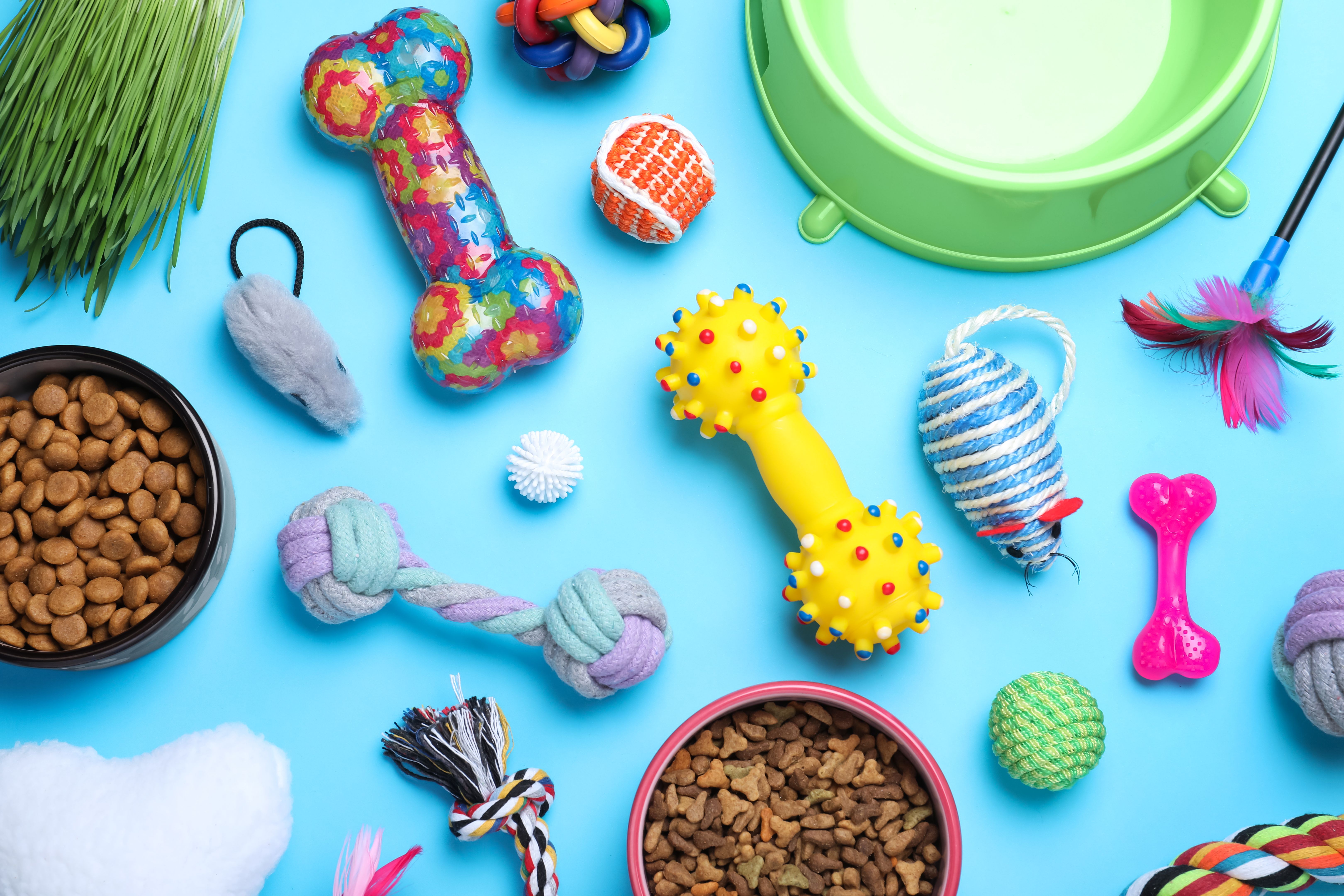
Liquid silicone rubber molding is another widely used technique, particularly for soft and flexible pet products. This method is ideal for items like chewy toys and flexible feeding mats. LSR molding provides excellent heat and chemical resistance, as well as a high degree of flexibility in product design.
LSR molding is often more costly than other methods, but the unique properties of silicone rubber make it a preferred choice for products that require both flexibility and resilience. Additionally, silicone is hypoallergenic and safe for pets, adding an extra layer of assurance for pet owners.
Choosing the Right Technique
When selecting the right injection molding technique for pet supplies, manufacturers must consider factors such as material properties, cost, and environmental impact. Each method offers distinct advantages and trade-offs, making it essential to align the manufacturing process with the intended use of the product.
For example, if sustainability is a priority, thermoplastic molding may be the best choice due to its recyclability. On the other hand, if the product requires extreme durability, thermoset molding might be more suitable. LSR is ideal for products needing flexibility and safety.
Conclusion
In conclusion, the choice of injection molding technique plays a crucial role in the production of high-quality pet supplies. By understanding the strengths and limitations of each method, manufacturers can make informed decisions that balance cost, functionality, and environmental responsibility.
Ultimately, the right choice will depend on the specific needs of the product and the values of the brand. By leveraging the appropriate technique, businesses can create pet supplies that are not only functional and durable but also sustainable and safe for our furry friends.