Creating Precision Stamping Dies for Household Products: A Step-by-Step Guide
Precision stamping dies are essential in manufacturing household products, ensuring each item is produced with consistency and quality. The process involves several meticulous steps, each contributing to the final product's accuracy and durability. This guide will walk you through the step-by-step process of creating precision stamping dies for household items.
Understanding the Basics of Precision Stamping
Before diving into the creation of stamping dies, it's crucial to understand what precision stamping entails. It involves transforming flat metal sheets into specific shapes, often requiring multiple stages to achieve complex designs. The precision aspect ensures that each stamped part meets exacting standards, a necessity for household products that demand uniformity.
Designing the Die
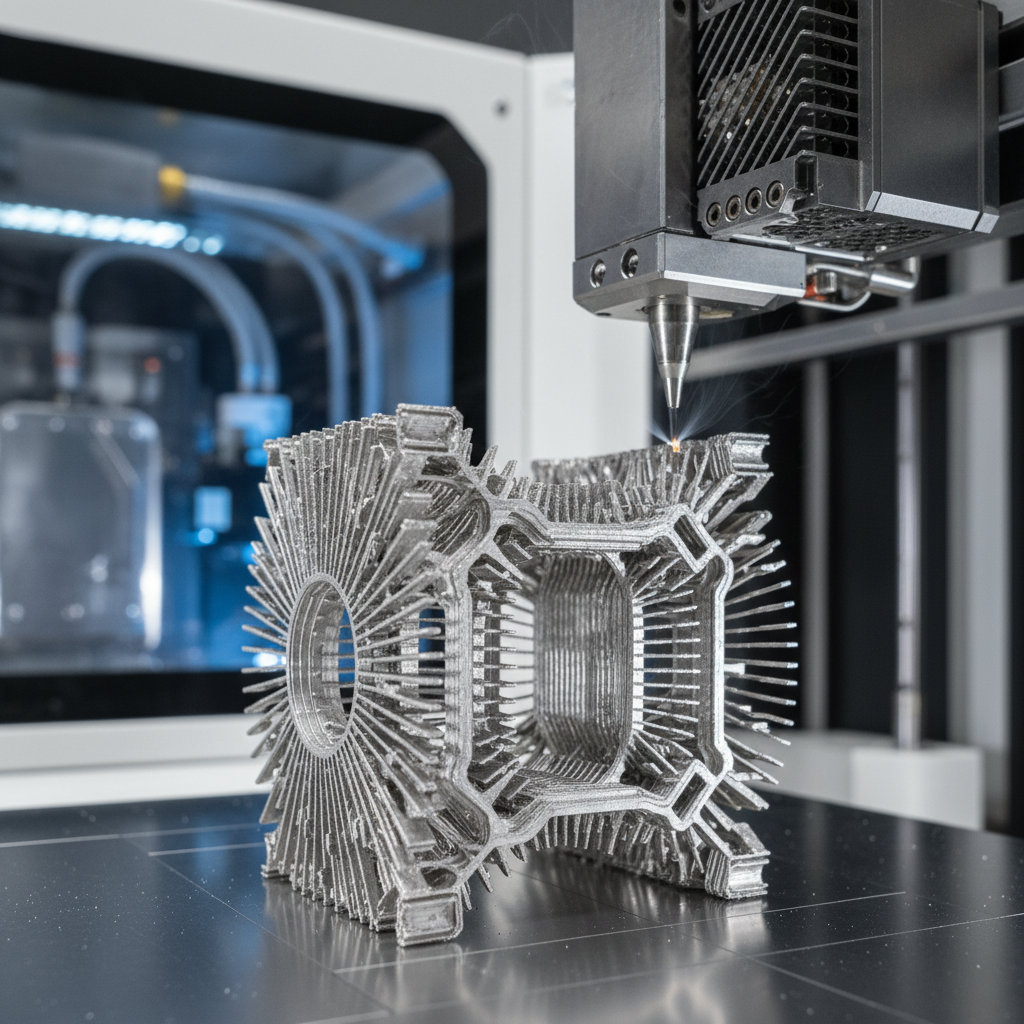
The first step in creating a precision stamping die is the design phase. This involves using Computer-Aided Design (CAD) software to develop a detailed blueprint of the die. The design must account for the product's dimensions, material thickness, and the specific requirements of the stamping process. Collaboration with design engineers is often essential to ensure the design is both functional and manufacturable.
Once the design is finalized, it's crucial to conduct simulations to predict how the material will behave during stamping. These simulations can help identify potential issues, such as material tearing or wrinkling, and allow for adjustments before the physical die is created.
Material Selection
The choice of material for the die is critical. Common materials include tool steel, carbide, and other hardened metals that can withstand the pressures of the stamping process. The selected material must be durable and capable of maintaining its shape over numerous stamping cycles to ensure longevity and precision.
Manufacturing the Die
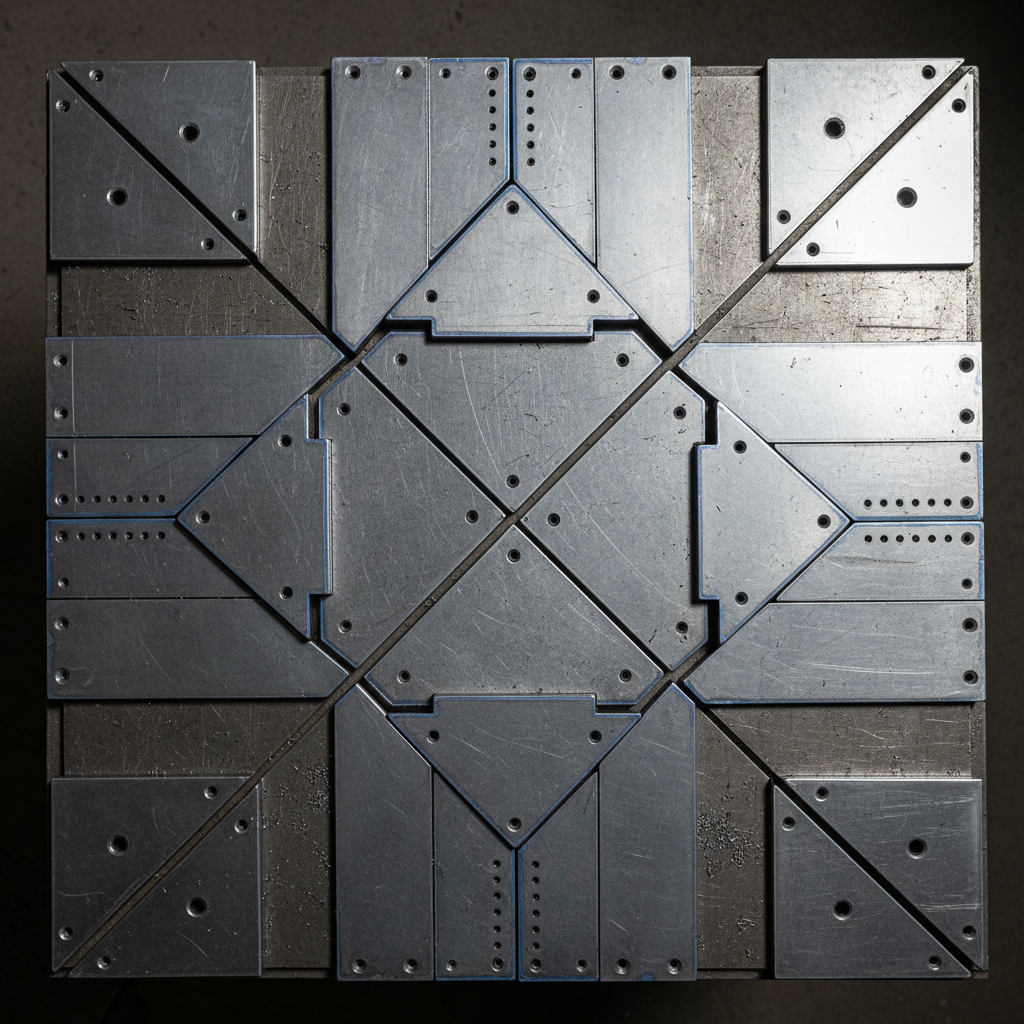
With the design and material selected, the next step is manufacturing the die. This involves various processes such as milling, grinding, and heat treatment. Each process serves to refine the die, ensuring that it meets the precise specifications outlined in the design phase.
Milling and grinding are used to achieve the desired shape and surface finish. Heat treatment is often employed to enhance the die's hardness and durability, making it capable of withstanding the stresses of stamping without deforming.
Assembling and Testing
After manufacturing, the die components must be carefully assembled. Precision is key here, as even minor misalignments can lead to defects in the stamped products. Once assembled, the die undergoes rigorous testing to ensure it performs as expected under operational conditions.

Testing involves running the die through several stamping cycles and inspecting the resulting products for accuracy and quality. Any issues detected during testing must be addressed through adjustments and refinements to the die.
Implementing the Stamping Process
Once the die is tested and approved, it's ready for use in the stamping process. This step involves setting up the die in a stamping press and running production batches. Continuous monitoring is essential to ensure the die's performance remains consistent over time.
Regular maintenance and inspections are necessary to maintain the die's precision and extend its lifespan. This includes cleaning, lubrication, and timely repairs to address any wear and tear.
Conclusion
Creating precision stamping dies for household products is a complex but rewarding process that demands attention to detail and a commitment to quality. By following these steps, manufacturers can produce reliable and consistent products, meeting the high standards expected in the household market.