Debunking Myths About Injection Molds: What Manufacturers Want You to Know
Understanding the Basics of Injection Molding
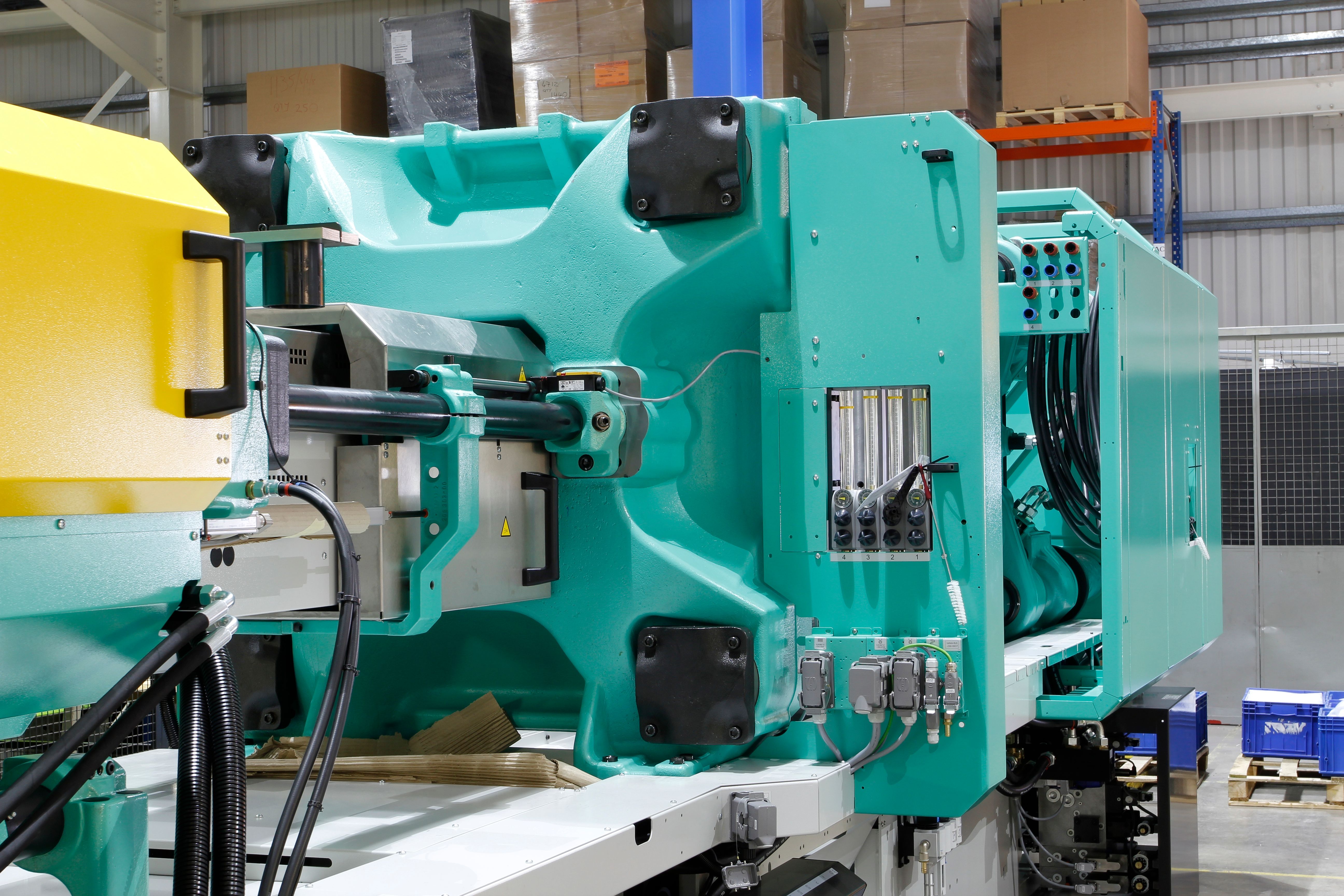
Injection molding is a widely used manufacturing process for producing parts by injecting molten material into a mold. Despite its popularity, several myths surround this process, leading to misunderstandings among manufacturers and clients alike. Let's explore some of these myths and uncover the truths behind them.
Myth 1: Injection Molds Are Only for Large Production Runs
A common misconception is that injection molding is only cost-effective for large production runs. While it's true that the initial setup costs can be high, advances in technology have made it feasible for smaller batches. This flexibility allows manufacturers to cater to both small and large production needs effectively.
Modern techniques and materials have reduced the cost and time associated with mold production, making it accessible for various production scales. This adaptability helps businesses of all sizes leverage the benefits of injection molding.
Myth 2: Injection Molding Is Limited to Simple Designs
Many believe that injection molding can only produce simple, straightforward designs. However, this is far from the truth. With the advent of advanced computer-aided design (CAD) software and innovative mold-making techniques, complex and intricate designs are now achievable.

Manufacturers can create highly detailed parts with precision, catering to industries that demand intricate components, such as automotive and medical sectors. The key is to work with skilled engineers who understand the nuances of mold design and production.
Myth 3: All Molds Are the Same
Another myth is that all injection molds are created equal. In reality, molds vary significantly in terms of material, design, and durability. Choosing the right type of mold is crucial for the success of the project. Factors such as the type of material being injected, the complexity of the part, and the expected production volume all play a role in mold selection.
- Aluminum molds: Suitable for low-volume production and prototyping.
- Steel molds: Ideal for high-volume production due to their durability.

Myth 4: Injection Molding Is Environmentally Unfriendly
Concerns about environmental impact often surround manufacturing processes like injection molding. However, the industry has made significant strides in reducing waste and energy consumption. Recycling and reusing materials are common practices, and modern machines are designed for energy efficiency.
Additionally, the precision of injection molding minimizes material waste, as parts are produced to exact specifications, reducing excess scrap. Manufacturers are increasingly adopting sustainable practices to align with environmental standards.
Myth 5: Injection Molding Takes Too Long
Some assume that the injection molding process is slow, but in reality, it is known for its speed and efficiency. Once a mold is created, producing parts is rapid, making it ideal for meeting tight deadlines. The initial design and mold-making phase might take time, but the actual production process is swift and consistent.

Manufacturers prioritize optimizing cycles to ensure that production meets the required pace without compromising quality. This efficiency makes injection molding a preferred choice for industries requiring high output with consistent quality.
Conclusion
Debunking these myths helps in understanding the true potential and versatility of injection molding. By recognizing the capabilities and dispelling misconceptions, manufacturers and clients can make informed decisions to maximize their production processes. Embracing the realities of injection molding opens up new possibilities for innovation and efficiency in the manufacturing world.