Die Casting for Electronics: What You Need to Know
Understanding Die Casting for Electronics
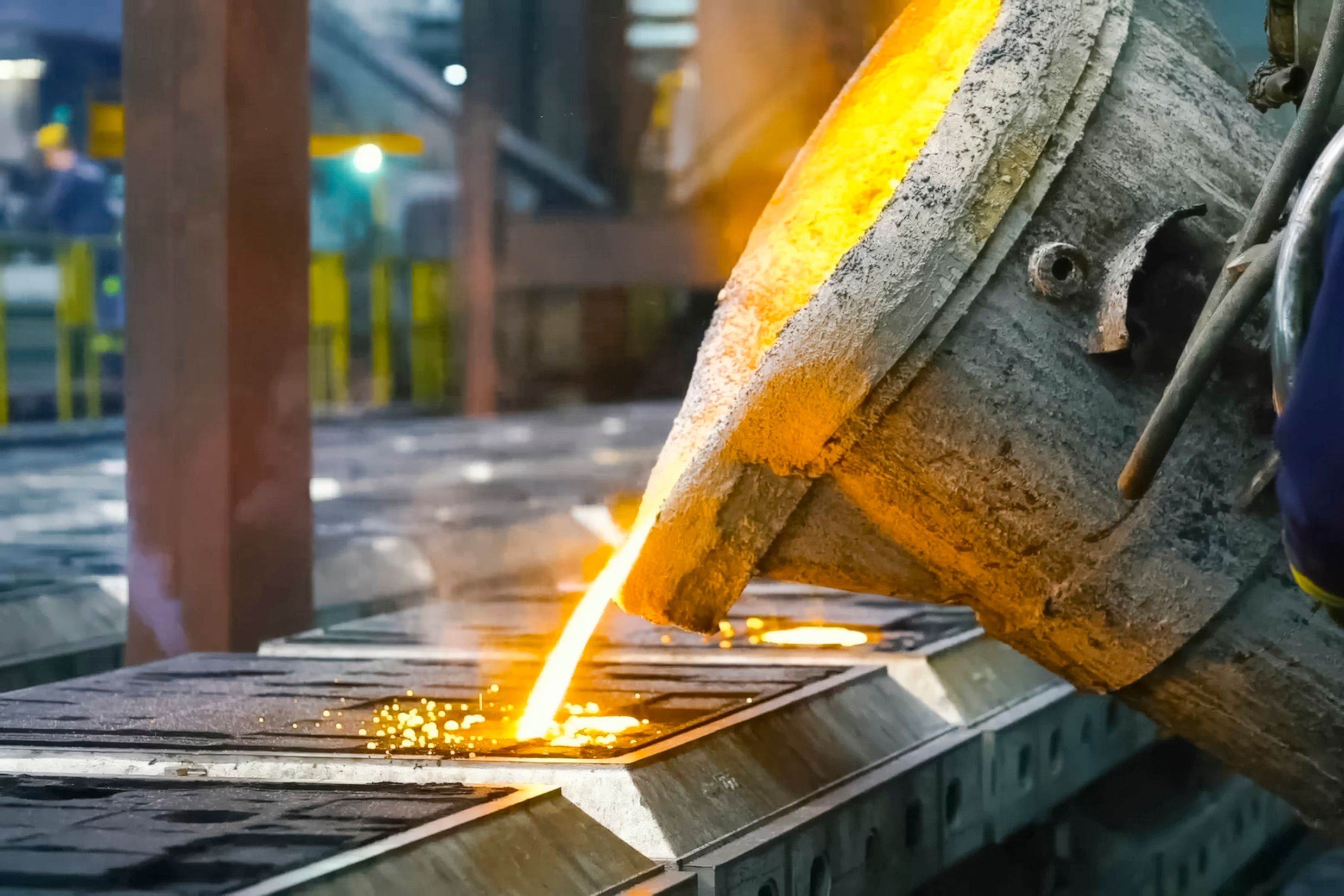
Die casting is a manufacturing process that plays a crucial role in the electronics industry. This technique involves forcing molten metal into a mold cavity under high pressure. It’s widely used for creating intricate and durable metal parts that are essential in electronic devices.
The process of die casting offers several advantages, including high precision and repeatability. It allows for the production of complex shapes with tight tolerances and smooth surfaces, making it ideal for electronic components that demand accuracy and reliability.
Materials Used in Die Casting
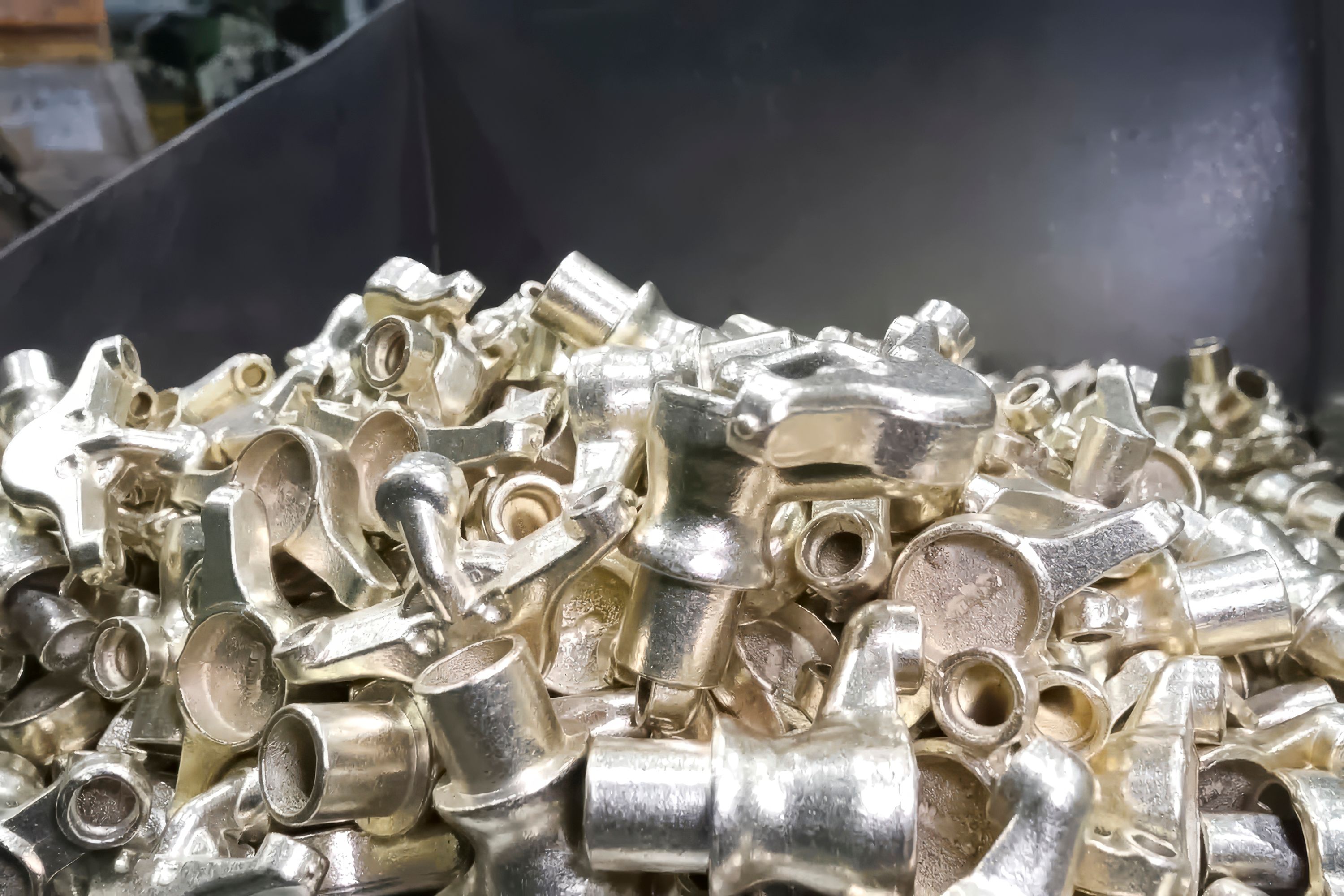
Common materials used in die casting include aluminum, zinc, and magnesium. Each material offers unique benefits. For example, aluminum is known for its lightweight and corrosion resistance, while zinc provides excellent strength and durability. Magnesium stands out for being one of the lightest structural metals available.
Choosing the right material depends on the specific requirements of the electronic component being manufactured. Factors such as thermal conductivity, weight, and cost will influence the decision.
Benefits of Die Casting in Electronics
Die casting is highly beneficial for the electronics industry due to its ability to produce high-quality components with consistent performance. Some notable benefits include:
- Precision: Die casting offers excellent dimensional accuracy, which is essential for assembling electronic devices.
- Cost-Efficiency: The process reduces the need for complex machining, lowering overall production costs.
- Durability: Components made through die casting are robust and can withstand harsh environmental conditions.
Applications in Electronic Devices
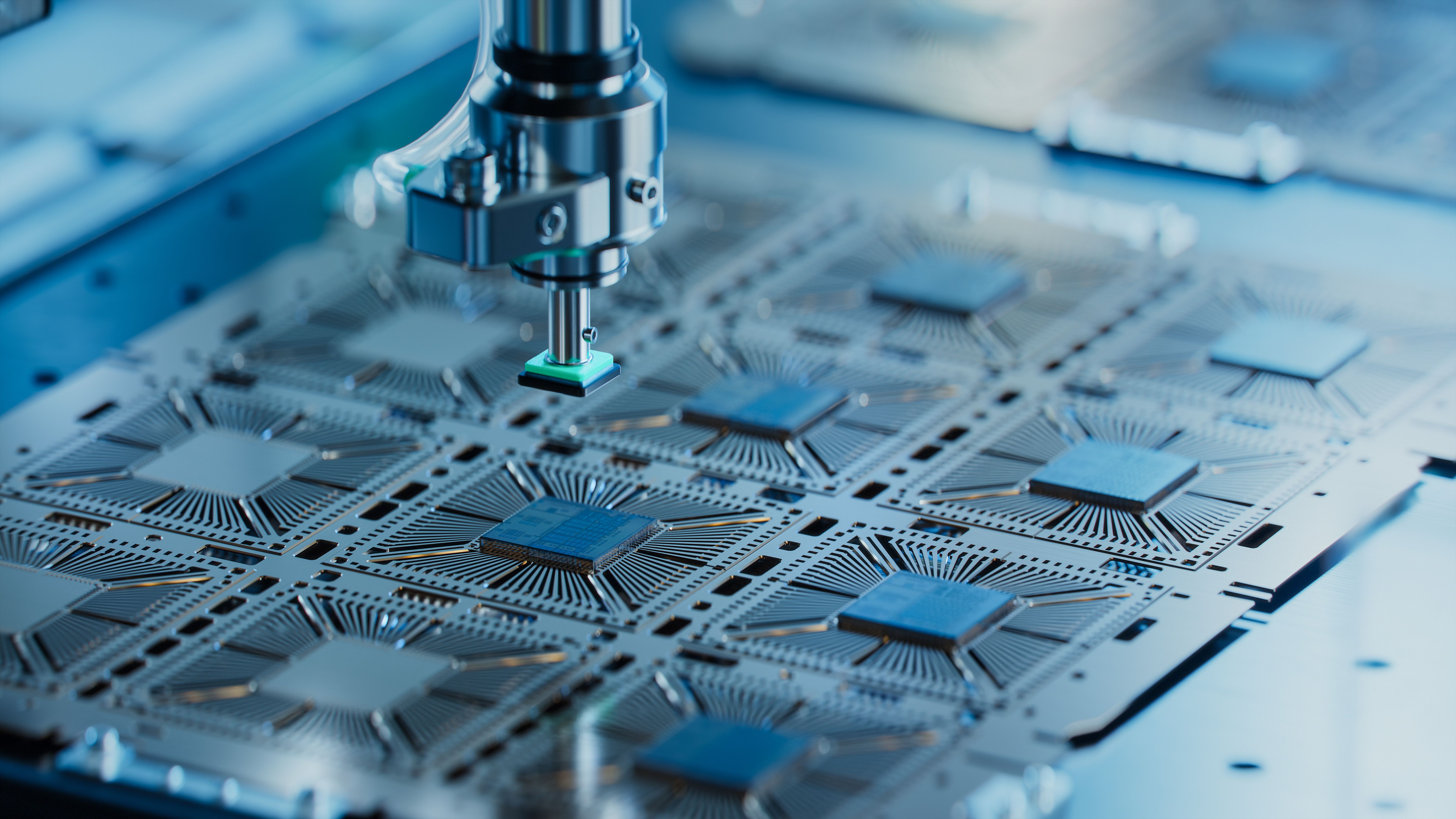
Die casting is utilized in various electronic applications, ranging from consumer electronics to industrial equipment. Some typical products that benefit from die casting include housings for smartphones, LED lighting fixtures, and connectors.
Additionally, die casting is often used to create heat sinks, which are critical for managing heat dissipation in electronic devices. This ensures optimal performance and longevity of the components.
Challenges and Considerations
While die casting offers many advantages, it also comes with challenges. Tooling costs can be high, especially for complex designs. It’s also essential to consider the cooling rate and potential for porosity, which can affect the integrity of the final product.
Manufacturers must carefully design molds and select appropriate materials to minimize these issues and ensure high-quality outcomes.
Future Trends in Die Casting for Electronics
The future of die casting in electronics looks promising, with advancements in technology driving innovation. Automation and smart manufacturing processes are expected to enhance efficiency and precision even further.
Moreover, the push towards sustainability is leading to the development of eco-friendly die casting materials and processes, which will benefit both manufacturers and the environment.