Eco-Friendly Biodegradable Plastic Molds: A Comprehensive Guide
Understanding Biodegradable Plastic Molds
In recent years, the demand for eco-friendly products has surged, leading to the development of biodegradable plastic molds. These molds break down naturally over time, reducing environmental impact and helping to combat plastic pollution. As businesses and consumers become more environmentally conscious, biodegradable plastic molds offer a sustainable alternative to traditional plastic manufacturing.
What Are Biodegradable Plastic Molds?
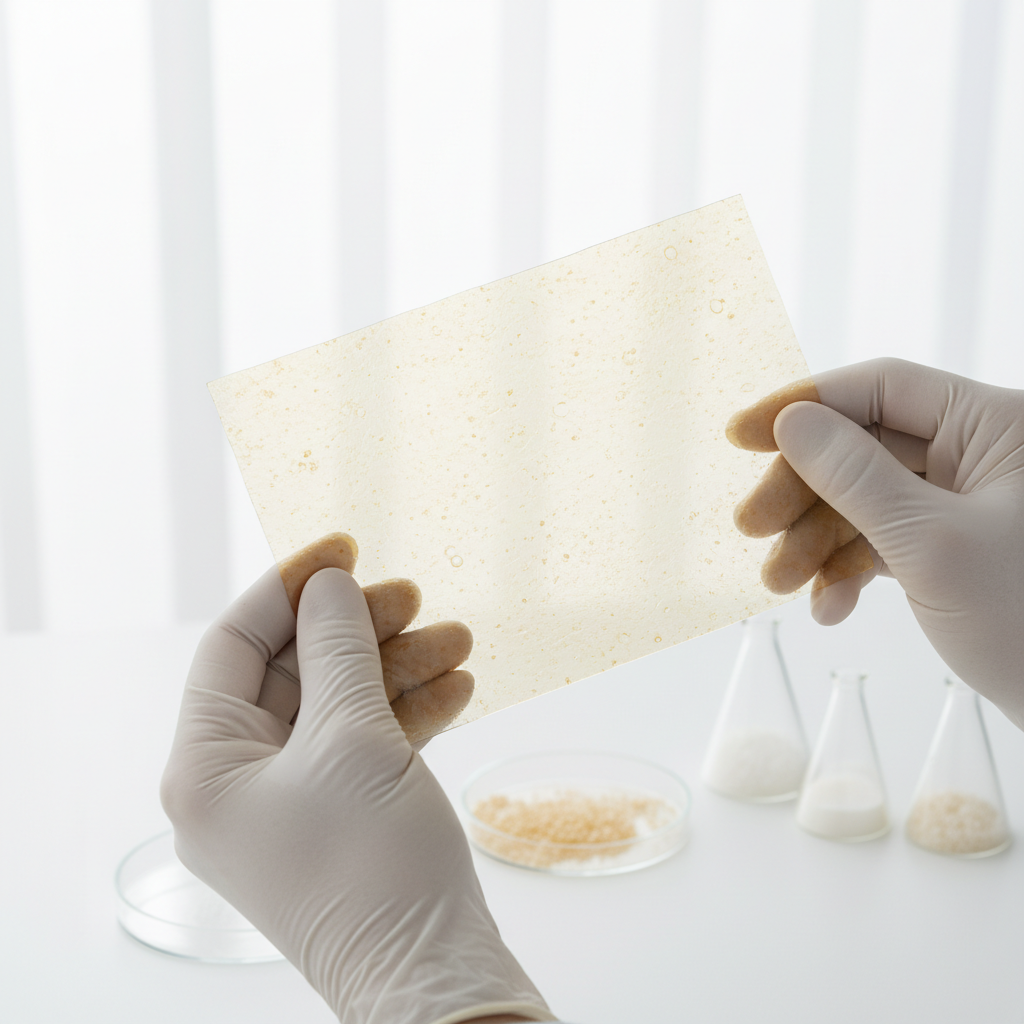
Biodegradable plastic molds are made from materials that decompose naturally through the action of living organisms. Unlike conventional plastics, which can take hundreds of years to break down, biodegradable plastics can decompose in a matter of months under the right conditions. This process significantly reduces waste and minimizes the ecological footprint of plastic use.
Materials Used in Biodegradable Plastic Molds
The most common materials used for biodegradable plastic molds include polylactic acid (PLA), polyhydroxyalkanoates (PHA), and starch-based polymers. These materials are derived from renewable resources such as corn starch, sugarcane, and other plant-based materials. They offer similar properties to traditional plastics, making them suitable for a wide range of applications.
Advantages of Using Biodegradable Plastic Molds
There are several advantages to using biodegradable plastic molds. First and foremost, they help reduce environmental pollution by breaking down quickly and safely. Additionally, they are often produced from renewable resources, which further decreases reliance on fossil fuels. This makes them an attractive option for companies aiming to improve their sustainability practices.
Applications of Biodegradable Plastic Molds
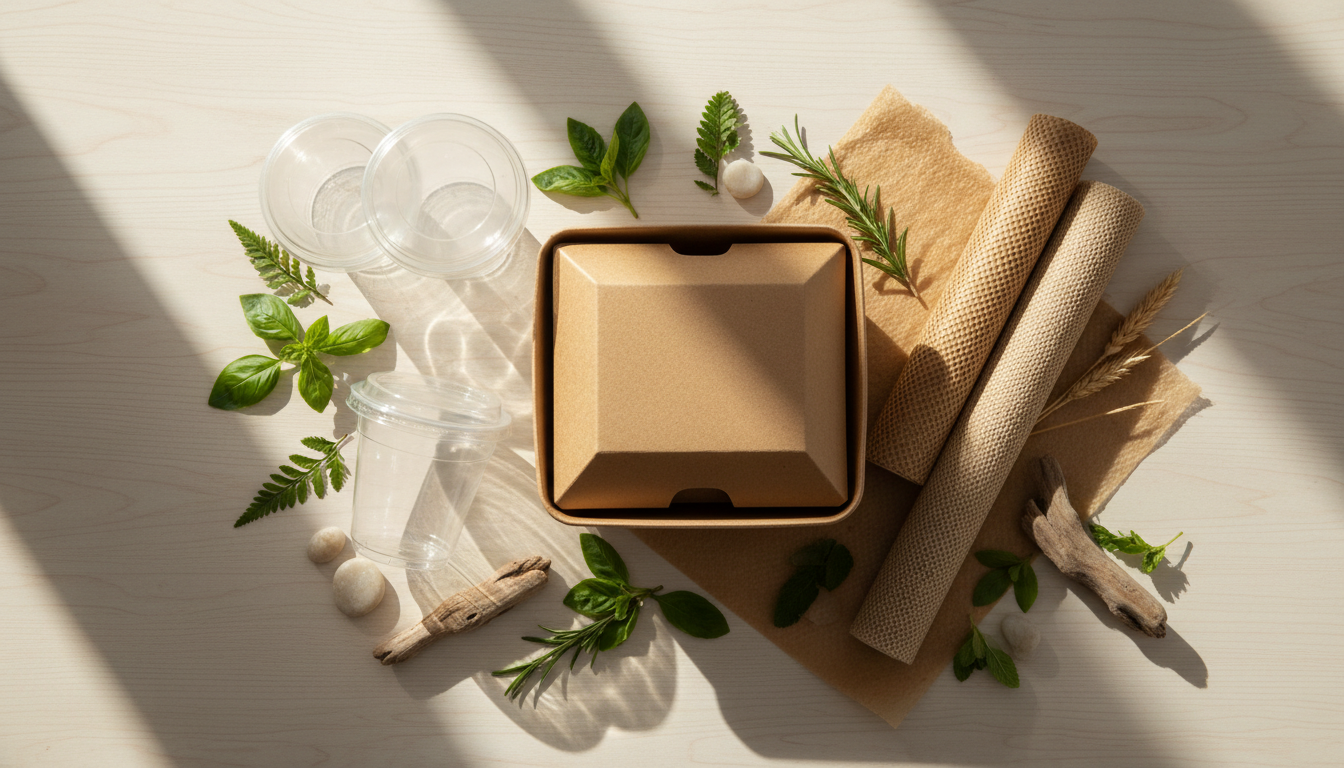
Biodegradable plastic molds can be used in various industries, including packaging, agriculture, and medical devices. In packaging, they offer an eco-friendly solution for single-use items, such as food containers and cutlery. In agriculture, they can be used for mulch films and planting pots that decompose after use, enriching the soil.
Challenges and Considerations
Despite their benefits, there are challenges associated with biodegradable plastics. One of the main concerns is the need for specific conditions for decomposition, such as temperature and humidity levels. Additionally, the production costs can be higher compared to traditional plastics, which may impact pricing.
The Future of Biodegradable Plastic Molds
The future of biodegradable plastic molds is promising, with ongoing research and development aimed at improving their properties and reducing costs. As technology advances, these molds are expected to become more accessible and affordable, paving the way for broader adoption across various sectors.

Conclusion
Biodegradable plastic molds represent a significant step forward in the pursuit of sustainable manufacturing. By choosing these eco-friendly alternatives, businesses can contribute to a cleaner planet while meeting consumer demand for environmentally responsible products. As awareness and technology continue to grow, biodegradable plastics are likely to play a crucial role in shaping a more sustainable future.