Eco-Friendly Biodegradable Plastic Molds: A Step Towards Sustainable Manufacturing
The Importance of Eco-Friendly Biodegradable Plastic Molds
In recent years, the manufacturing industry has witnessed a significant shift towards sustainability. A key player in this movement is the use of eco-friendly biodegradable plastic molds. These molds not only reduce environmental impact but also offer a sustainable alternative to conventional plastic molds, which are notorious for contributing to pollution and waste.
Biodegradable plastic molds are crafted from materials that break down naturally over time. This characteristic makes them an attractive option for manufacturers aiming to minimize their carbon footprint while maintaining high-quality production standards.
How Biodegradable Plastic Molds Work
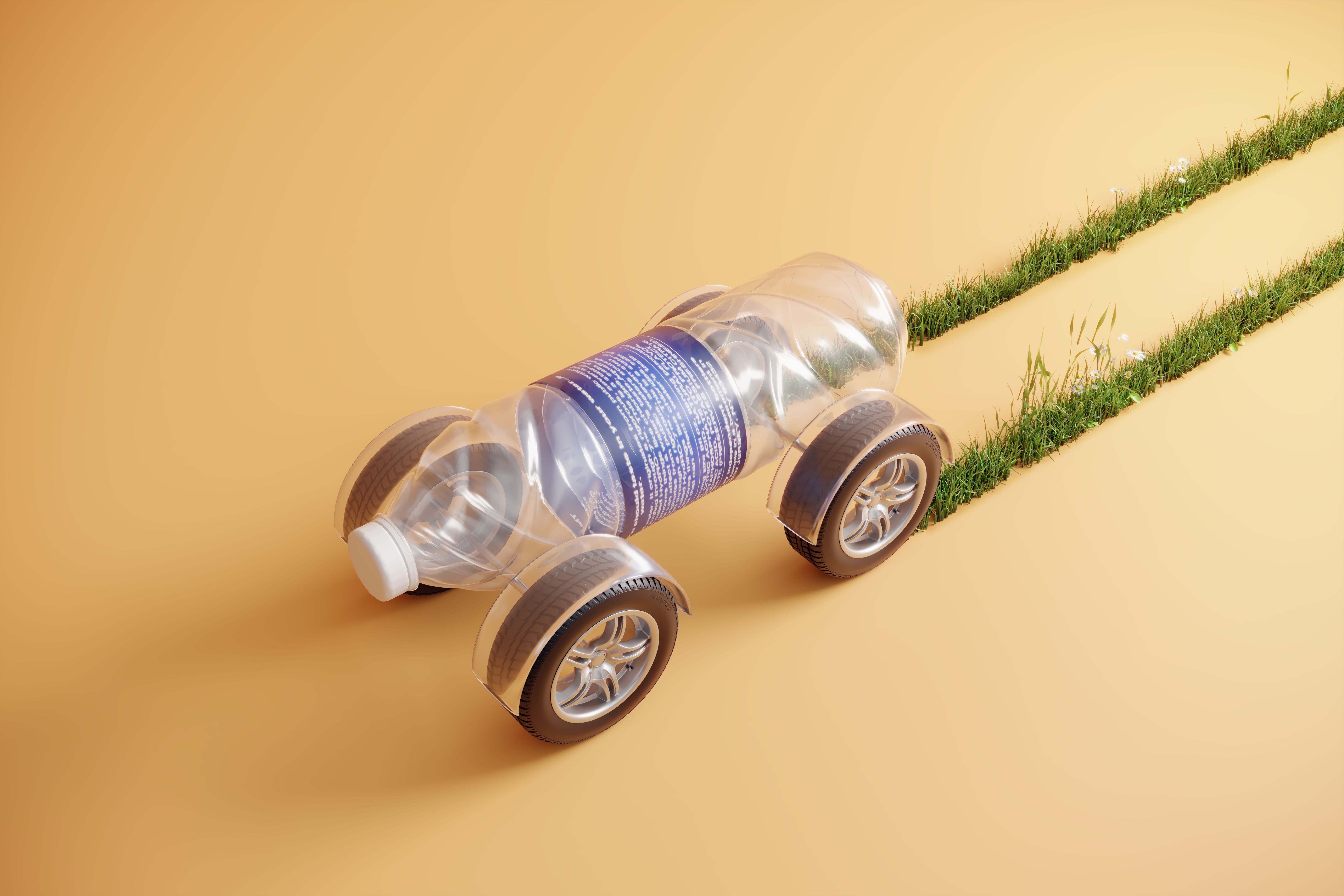
Biodegradable plastic molds are made from renewable resources such as cornstarch, sugarcane, or other plant-based materials. These materials undergo a process that transforms them into polymers, which can be molded into various shapes and sizes. Once their purpose is served, these molds decompose naturally, leaving no harmful residues.
The ability of these molds to return to nature without causing harm significantly reduces the amount of plastic waste in landfills. This process not only conserves natural resources but also aligns with global efforts to promote a circular economy.
Benefits of Using Biodegradable Plastic Molds
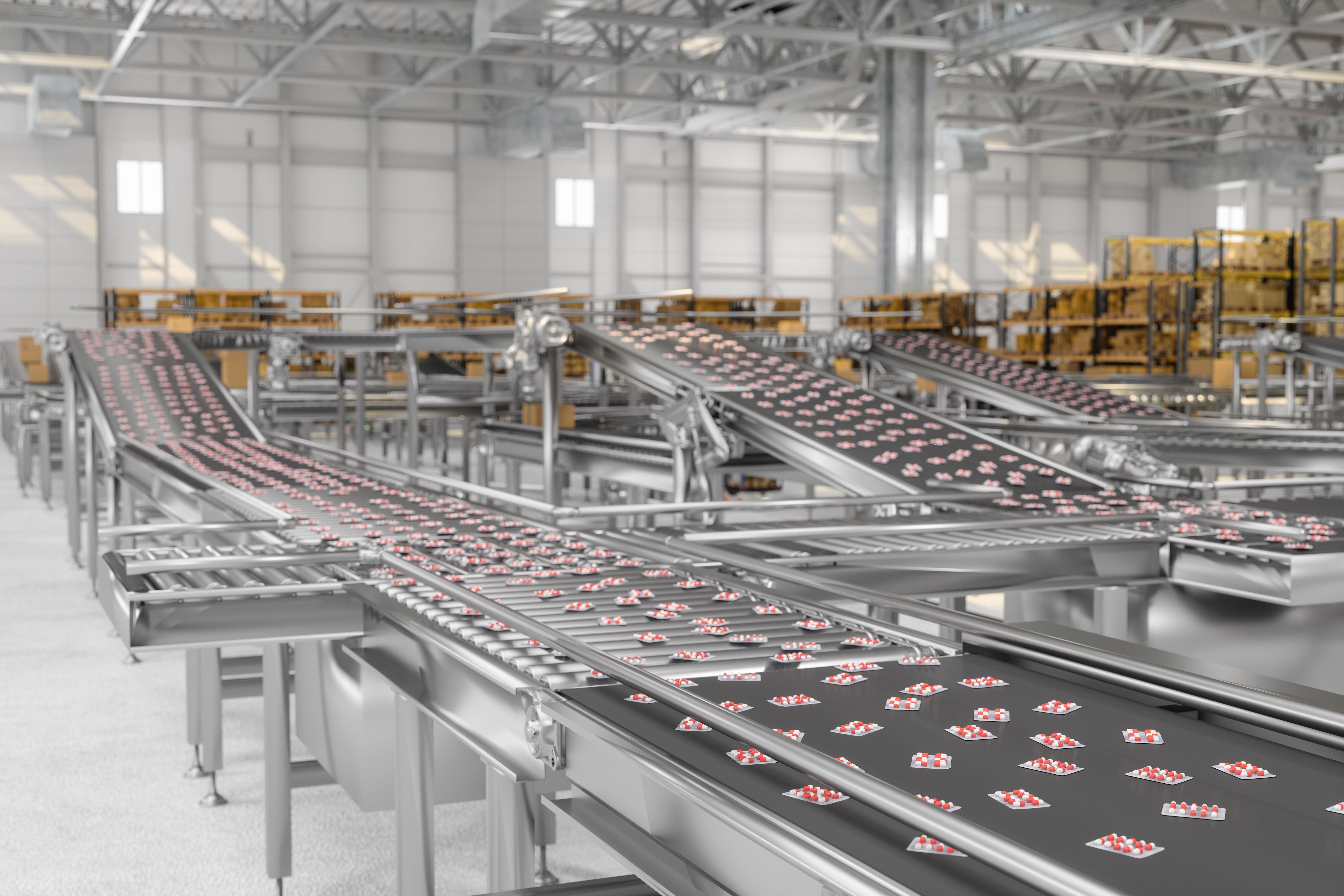
Adopting biodegradable plastic molds in manufacturing offers numerous advantages:
- Environmental Protection: These molds reduce the reliance on fossil fuels and decrease greenhouse gas emissions.
- Cost-Effectiveness: While the initial investment might be higher, the long-term savings from waste management and disposal make them economically viable.
- Consumer Appeal: As consumers become more environmentally conscious, using sustainable products can enhance a brand's reputation and attract eco-minded customers.
Challenges and Considerations
Despite their advantages, biodegradable plastic molds come with certain challenges. The production process can be more expensive compared to traditional plastics. Additionally, not all biodegradable plastics are suitable for every type of product, requiring careful selection based on specific manufacturing needs.
Manufacturers must also consider the decomposition conditions required for these materials. Some biodegradable plastics need industrial composting facilities to break down effectively, which may not be available everywhere.

The Future of Sustainable Manufacturing
As technology advances, the development of more efficient and cost-effective biodegradable plastic molds is expected. Innovations in this field could lead to broader applications and more accessible solutions for businesses of all sizes.
Governments and organizations worldwide are encouraging research and development in sustainable materials. This support is crucial for overcoming the current limitations and driving widespread adoption in the manufacturing sector.
Conclusion: A Step Towards a Greener Future
Eco-friendly biodegradable plastic molds represent a significant step towards sustainable manufacturing. By reducing waste and conserving resources, they offer a viable solution for businesses looking to contribute positively to the environment.
Incorporating these molds into production lines not only benefits the planet but also aligns with the growing consumer demand for sustainable products. As the industry continues to evolve, embracing these innovative solutions will be key to achieving a more sustainable future.