Expert Tips: Ensuring Quality in Injection Molding for Household Products
Understanding the Importance of Quality in Injection Molding
Injection molding is a crucial process in the manufacturing of household products. Ensuring quality at every stage can significantly impact the durability and performance of the final product. From selecting the right materials to optimizing the mold design, several factors play a vital role in achieving excellence.
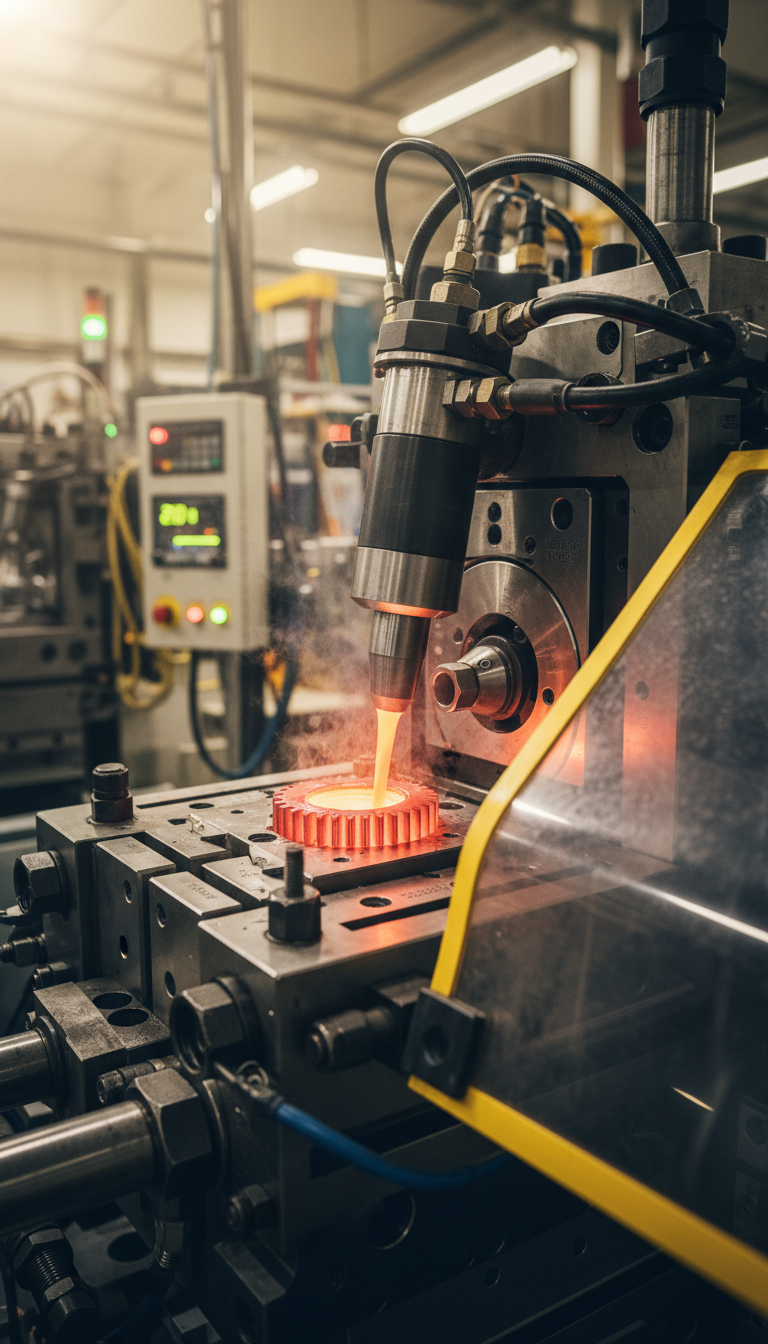
Maintaining high standards in injection molding ensures that household items not only meet consumer expectations but also comply with industry regulations. This can enhance brand reputation and customer satisfaction, leading to increased market share.
Selecting the Right Materials
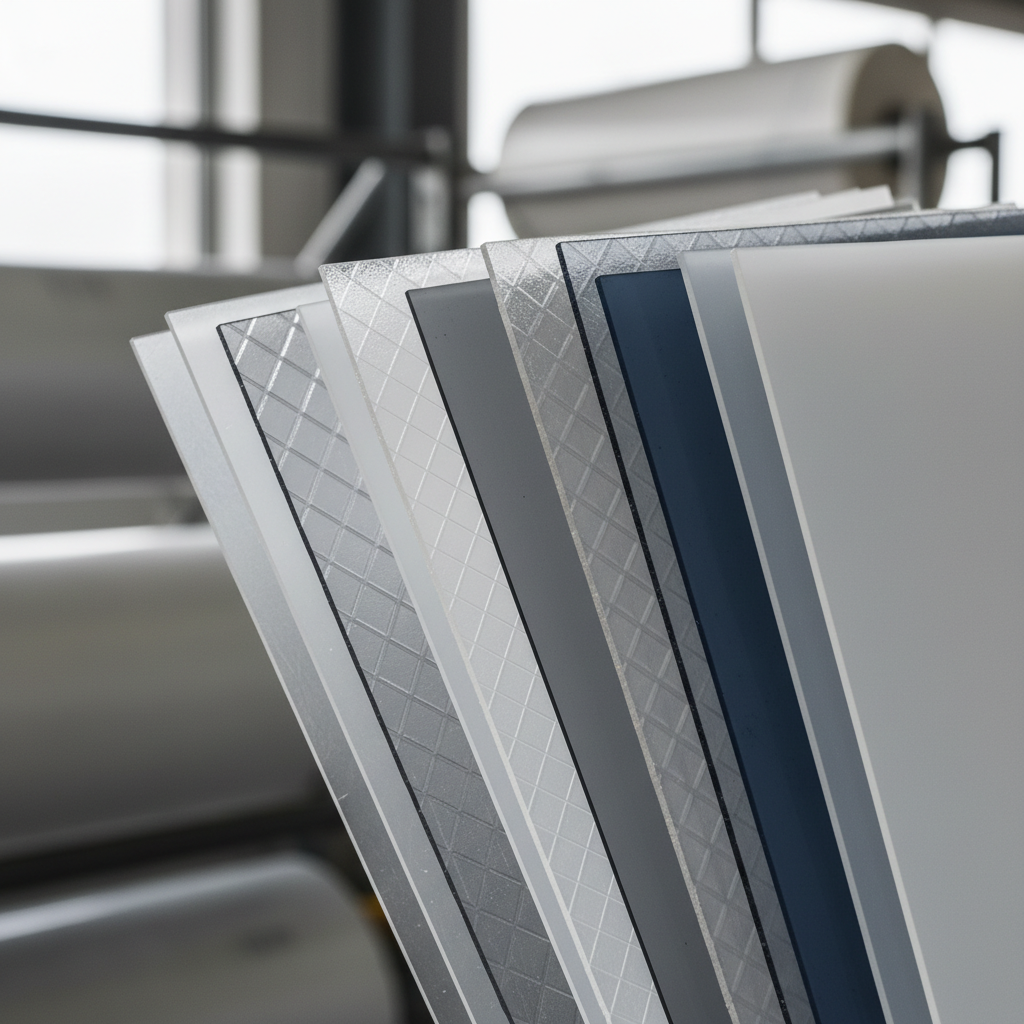
One of the first steps in ensuring quality is selecting the appropriate materials. The choice of plastic resin can affect the product’s strength, flexibility, and resistance to environmental factors. Consider the specific requirements of the household product when choosing materials.
Consult with material specialists to identify the best options. Testing different resins can also provide valuable insights into how they perform under various conditions, helping to make informed decisions.
Material Testing and Validation
Conducting thorough testing and validation of materials is essential. Utilize techniques such as tensile testing and thermal analysis to assess the material properties. This ensures that the chosen materials can withstand the intended use and environmental conditions.
Optimizing Mold Design
The design of the mold directly influences the quality of the finished product. An optimized mold design minimizes defects and ensures consistent product quality. Collaborate with experienced mold designers to create efficient and precise molds.
Consider factors such as mold flow analysis, cooling systems, and ejection mechanisms to optimize the design. These elements can help in reducing cycle times and improving the overall efficiency of the production process.
Regular Mold Maintenance
Regular maintenance of molds is crucial to prevent wear and tear that can lead to defects. Implement a maintenance schedule that includes cleaning, lubrication, and inspection to ensure the molds remain in optimal condition.
Implementing Quality Control Measures
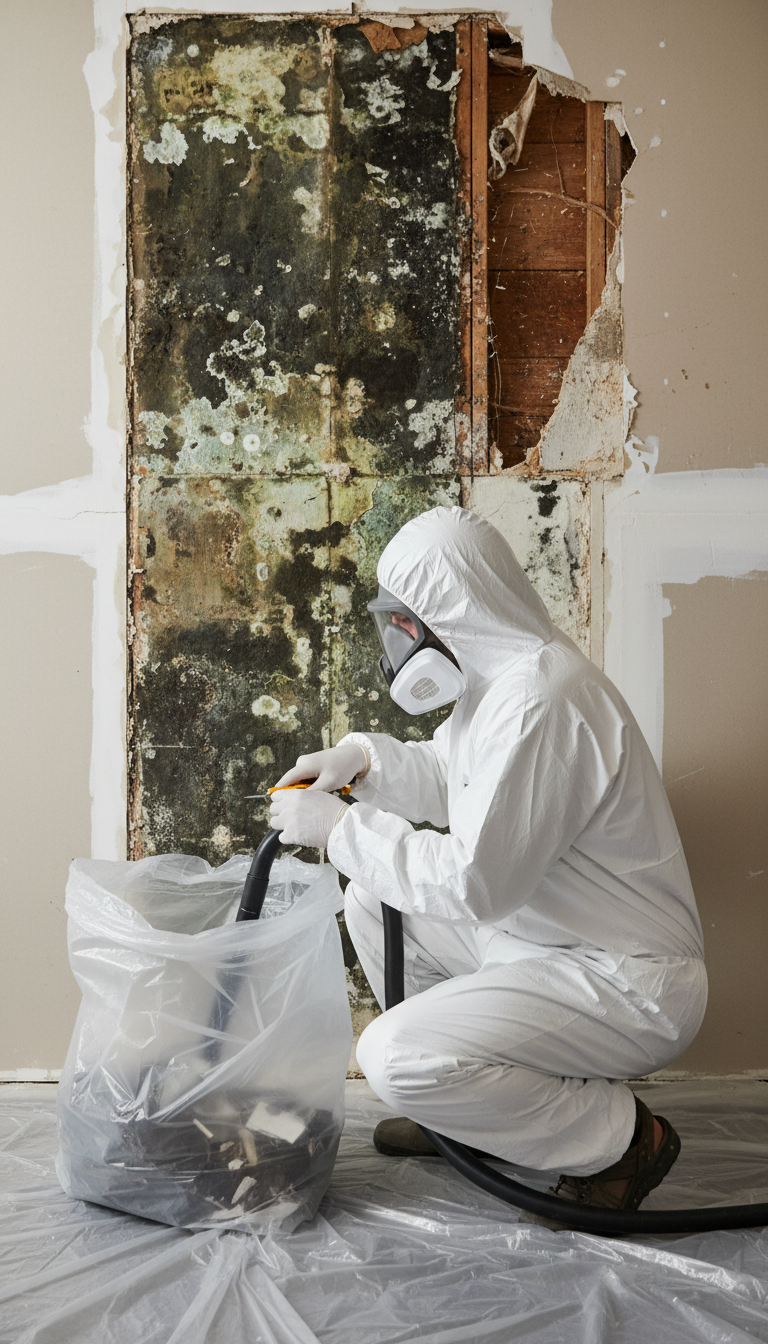
Quality control measures are essential to identify and rectify issues early in the production process. Implementing rigorous inspection protocols and using advanced technologies like automated inspection systems can enhance quality assurance.
Train staff to recognize defects and empower them to take corrective actions. A proactive approach to quality control can prevent costly rework and product recalls.
Continuous Improvement and Feedback
Encourage a culture of continuous improvement by gathering feedback from production teams and customers. Use this feedback to refine processes and improve product quality. Regularly review production data and implement improvements based on insights gained.
By following these expert tips, manufacturers can ensure the production of high-quality household products, leading to increased customer satisfaction and long-term success.