Expert Tips for Maintaining High-Performance Injection Molds
Injection molds are crucial tools in the manufacturing industry, enabling the production of complex plastic parts with precision and efficiency. To ensure these molds continue to perform at their best, regular maintenance is essential. Here are some expert tips for maintaining high-performance injection molds.
Understand the Importance of Regular Maintenance
Regular maintenance is vital for preventing unexpected downtime and ensuring consistent product quality. By maintaining your injection molds, you can extend their lifespan and reduce the likelihood of costly repairs. Routine checks and cleaning should be part of your standard operating procedures.
Implement a Cleaning Schedule
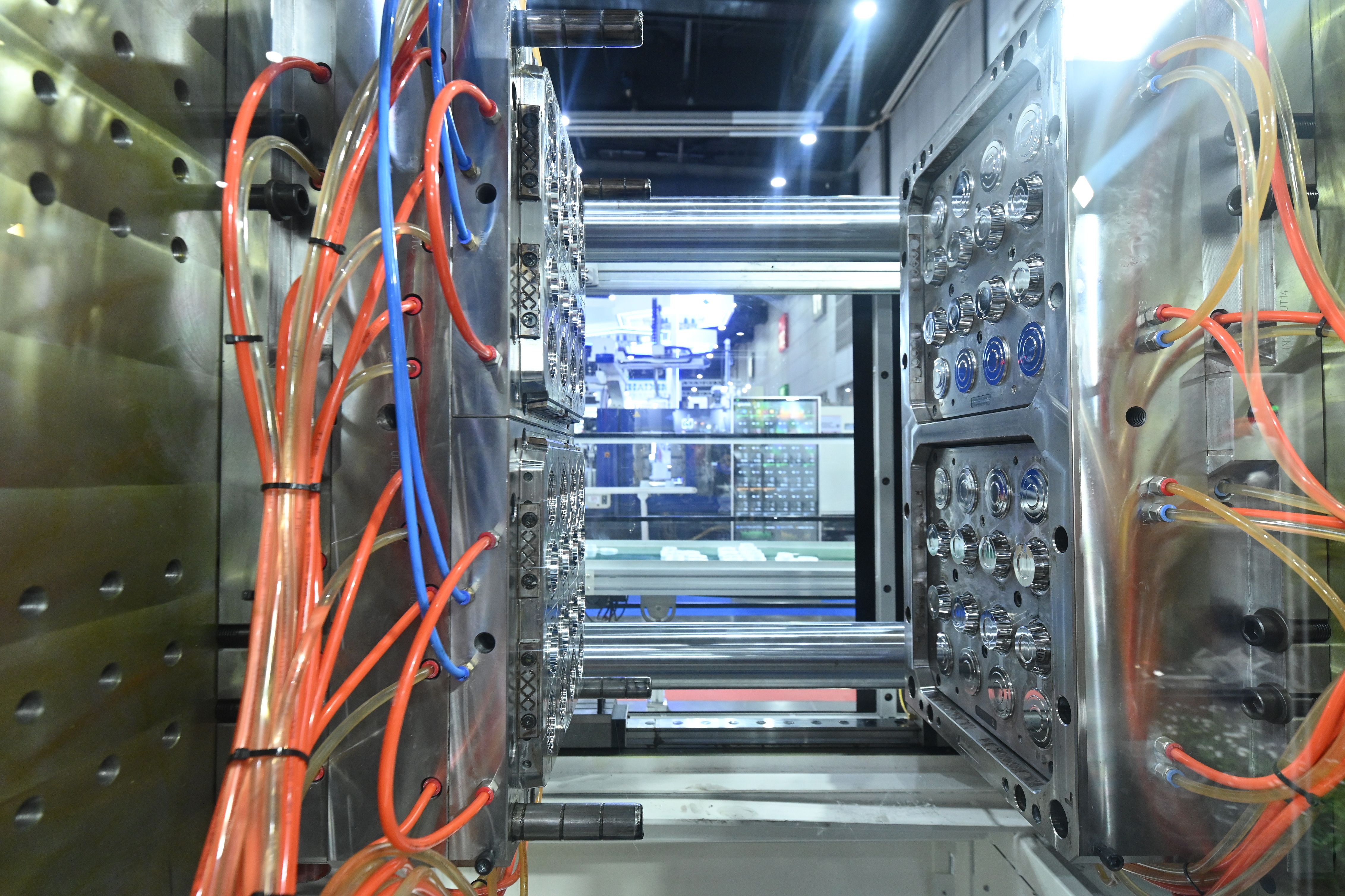
Keeping your molds clean is one of the simplest yet most effective maintenance practices. Residue and debris can accumulate over time, leading to defects in the molded parts. A regular cleaning schedule should be established, including both minor cleaning after each production run and more thorough cleaning during scheduled maintenance breaks.
Use the right cleaning agents and tools to avoid damaging the mold surfaces. Non-abrasive cleaners and soft brushes are often recommended to preserve the mold’s precision and finish.
Inspect for Wear and Tear
Regular inspections can help identify signs of wear and tear before they become significant issues. Check for any visible damage, such as cracks or corrosion. Pay attention to critical areas like mold cavities, cores, and ejector systems.

Monitor Temperature and Pressure
Maintaining optimal temperature and pressure settings is crucial for the longevity of injection molds. Fluctuations can lead to thermal and mechanical stress, which may cause damage over time. Use sensors and monitoring systems to keep track of these parameters and make adjustments as needed.
- Ensure cooling systems are functioning properly.
- Regularly calibrate temperature and pressure equipment.
Proper Storage Techniques
When molds are not in use, proper storage is essential to prevent damage. Store molds in a clean, dry environment to avoid rust and contamination. Protective coatings or anti-corrosion sprays can be applied for additional protection.
Document Maintenance Activities
Maintaining detailed records of all maintenance activities can be invaluable. Document each cleaning, inspection, and repair, along with any issues encountered and actions taken. This information helps in tracking mold performance and planning future maintenance needs.
- Record dates of maintenance activities.
- Note any parts replaced or repaired.
- Include observations and recommendations.
By following these expert tips, you can ensure that your injection molds remain in top condition, minimizing downtime and maximizing productivity. Consistent maintenance not only extends the life of your molds but also supports the production of high-quality parts, ultimately benefiting your entire manufacturing process.