Expert Tips for Working with Precision Stamping Dies
Understanding Precision Stamping Dies
Precision stamping dies are essential tools in the manufacturing industry, playing a crucial role in shaping and cutting metal sheets into desired components. Mastering the use of these dies can significantly enhance production efficiency and product quality. In this blog post, we'll explore expert tips to help you work effectively with precision stamping dies.
Selecting the Right Material
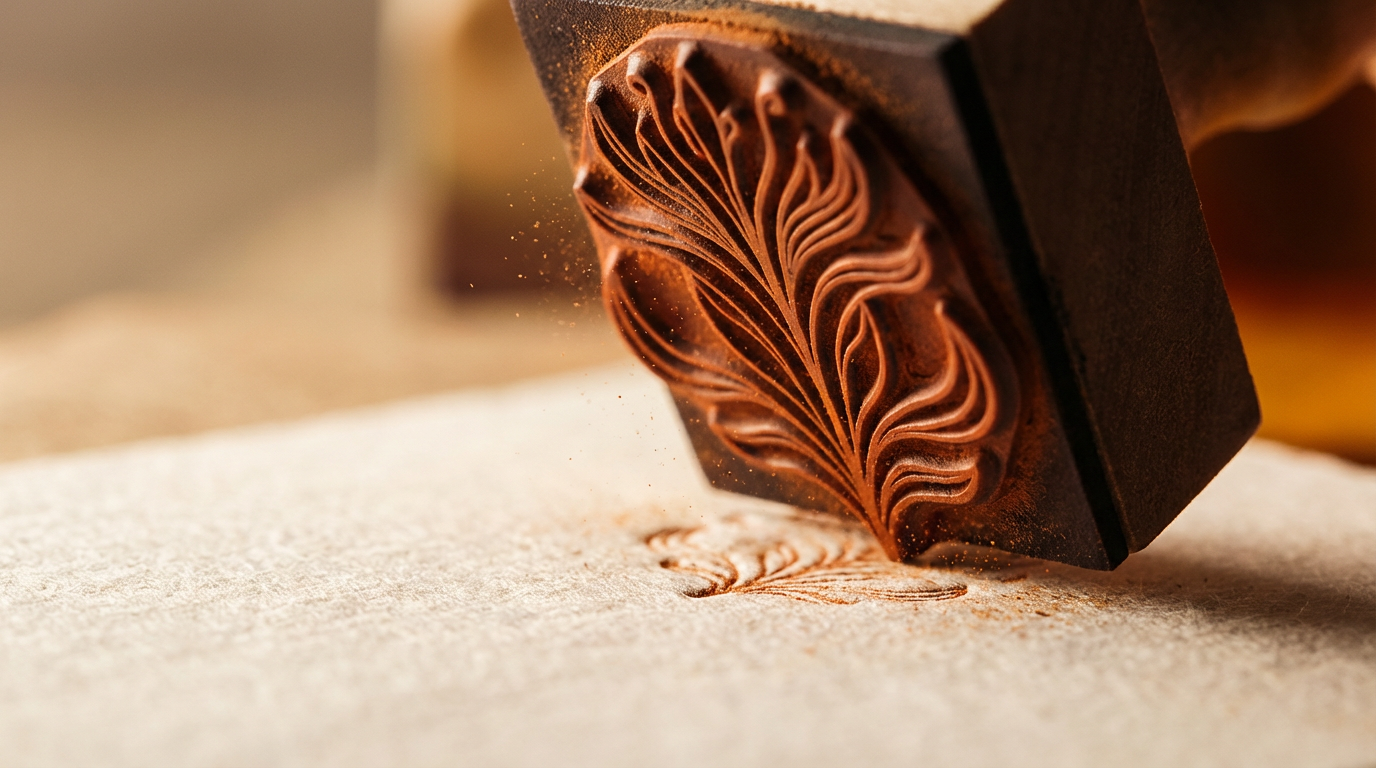
The choice of material for your stamping dies affects both durability and performance. Common materials include tool steel, carbide, and stainless steel. Tool steel is often favored for its hardness and resistance to wear. When selecting a material, consider the type of metal being stamped and the projected volume of production. Investing in high-quality materials may initially cost more but saves money in the long run.
It's essential to balance cost and longevity. For high-volume production runs, carbide might be a better choice due to its excellent wear resistance and longer lifespan, despite its higher price point.
Maintaining Your Dies
Regular maintenance is critical to prolonging the life of your stamping dies. This includes routine inspections, cleaning, and sharpening. A well-maintained die not only lasts longer but also produces more consistent results. Implement a maintenance schedule to ensure that dies are checked and serviced regularly.
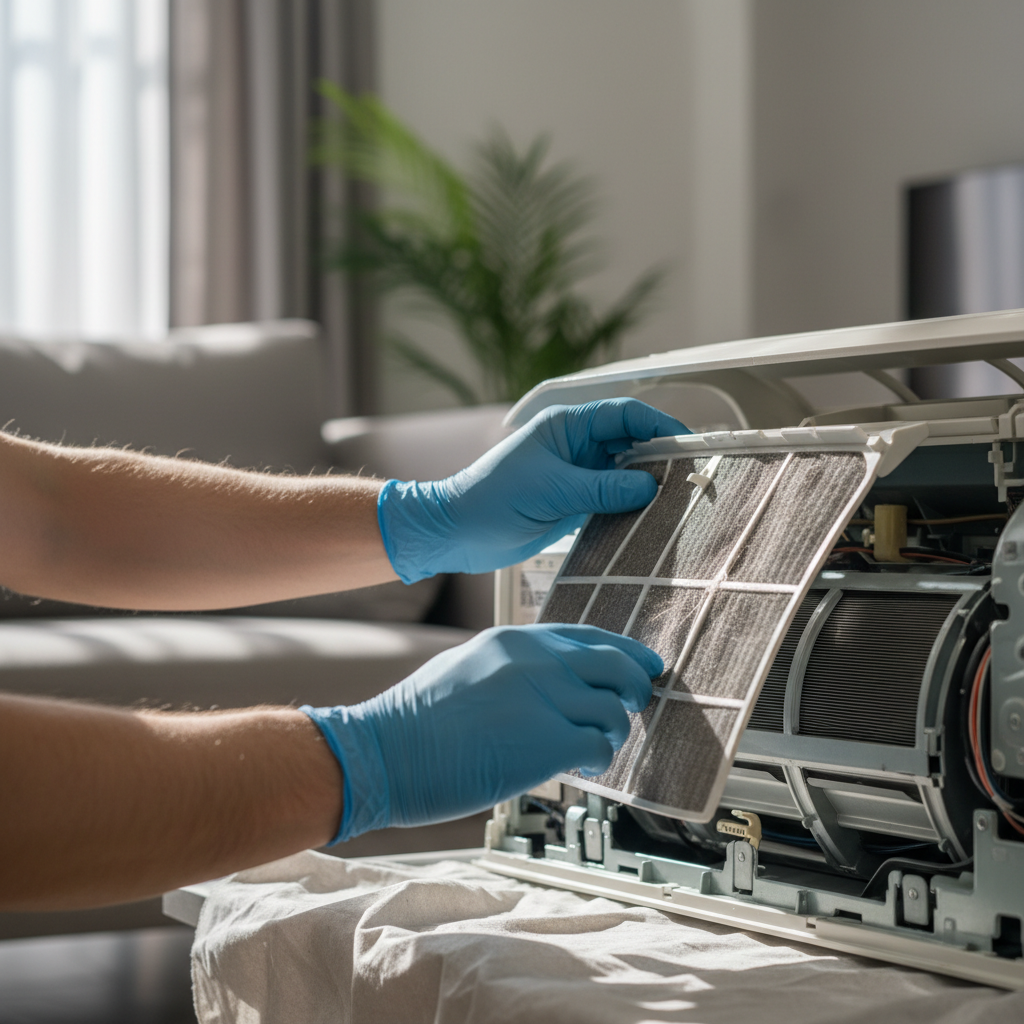
Consider setting up a log to track maintenance activities and any issues encountered. This can help in diagnosing recurring problems and improving maintenance protocols.
Optimizing Die Design
Die design is a fundamental aspect that influences the efficiency and quality of the stamping process. Collaborate with experienced designers to create dies that meet your specific requirements. Factors such as clearance, cutting angles, and alignment should be optimized to reduce wear and improve precision.
Using computer-aided design (CAD) software can greatly enhance the accuracy of die designs. CAD allows for detailed simulations and modifications before the actual manufacturing begins, saving time and resources.

Training and Safety
Proper training for operators is crucial when working with precision stamping dies. Ensure that your team is well-versed in handling the equipment safely. Regular training sessions can keep your team updated on the latest techniques and safety protocols. Safety should be a top priority to prevent accidents and ensure smooth operations.
Implement safety measures such as protective gear, emergency stop buttons, and clear operational guidelines. Regular audits and drills can also help in maintaining a safe working environment.
Conclusion
Working with precision stamping dies requires attention to detail and a commitment to quality. By selecting the right materials, maintaining your dies, optimizing designs, and prioritizing training and safety, you can enhance the efficiency and effectiveness of your stamping operations. These expert tips are designed to help you achieve the best possible outcomes in your manufacturing processes.