Exploring the Benefits of High-Performance Injection Molds for Automotive Applications
Understanding High-Performance Injection Molds
High-performance injection molds are a critical component in modern automotive manufacturing. These molds are designed to produce complex and precise parts at a faster rate, ensuring efficiency and quality in the production process. By utilizing advanced materials and technologies, manufacturers can meet the rigorous demands of the automotive industry.
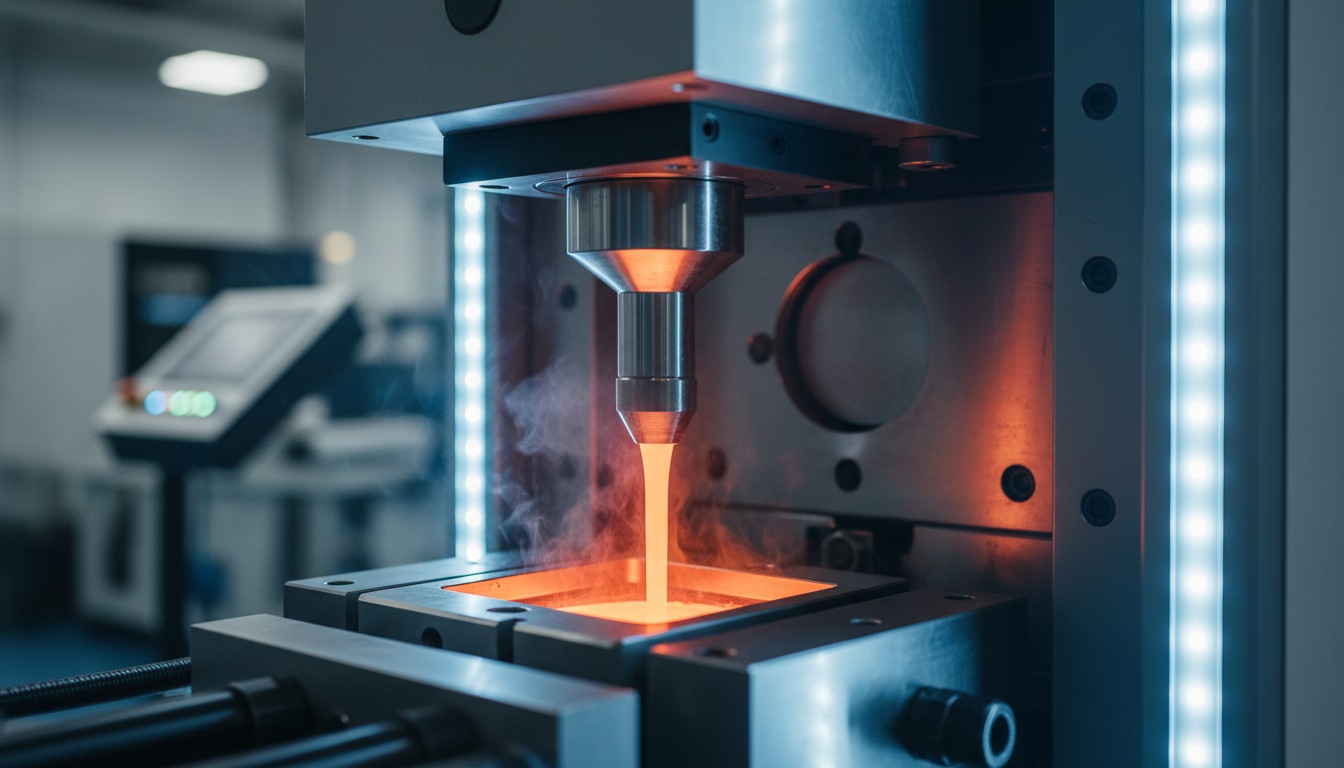
Injection molding is a popular method due to its ability to produce consistent and high-quality parts. The process involves injecting molten material into a mold cavity, where it cools and solidifies into the desired shape. This method is especially beneficial for producing components that require tight tolerances and complex geometries.
Benefits of High-Performance Injection Molds
One of the primary benefits of high-performance injection molds is their ability to reduce cycle times. Faster production means more parts can be manufactured in a shorter period, increasing overall efficiency. This is crucial in the automotive industry, where time-to-market can significantly impact competitiveness.
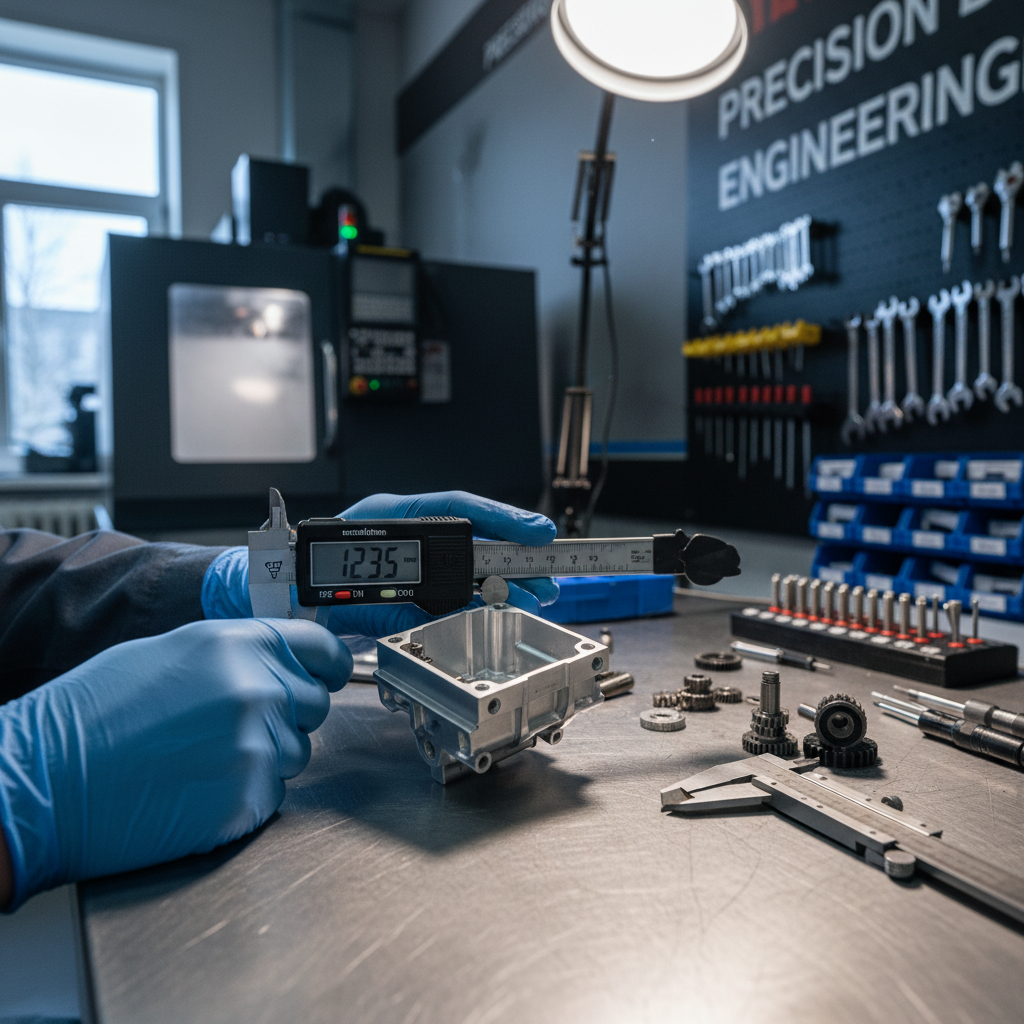
Additionally, these molds offer enhanced precision and repeatability. Consistency is vital in automotive applications, where even minor deviations can lead to significant performance issues. High-performance molds ensure that each part meets exact specifications, reducing the risk of defects.
Materials Used in High-Performance Molds
The choice of materials in high-performance injection molds is crucial. Common materials include hardened steel, aluminum, and advanced polymers. These materials provide the necessary strength and durability to withstand the stresses of high-volume production while maintaining the precision required for automotive parts.
Moreover, the use of advanced cooling systems within the molds helps in maintaining temperature control during the injection process. This not only improves the quality of the final product but also extends the lifespan of the mold itself.
Innovations in Mold Design and Technology
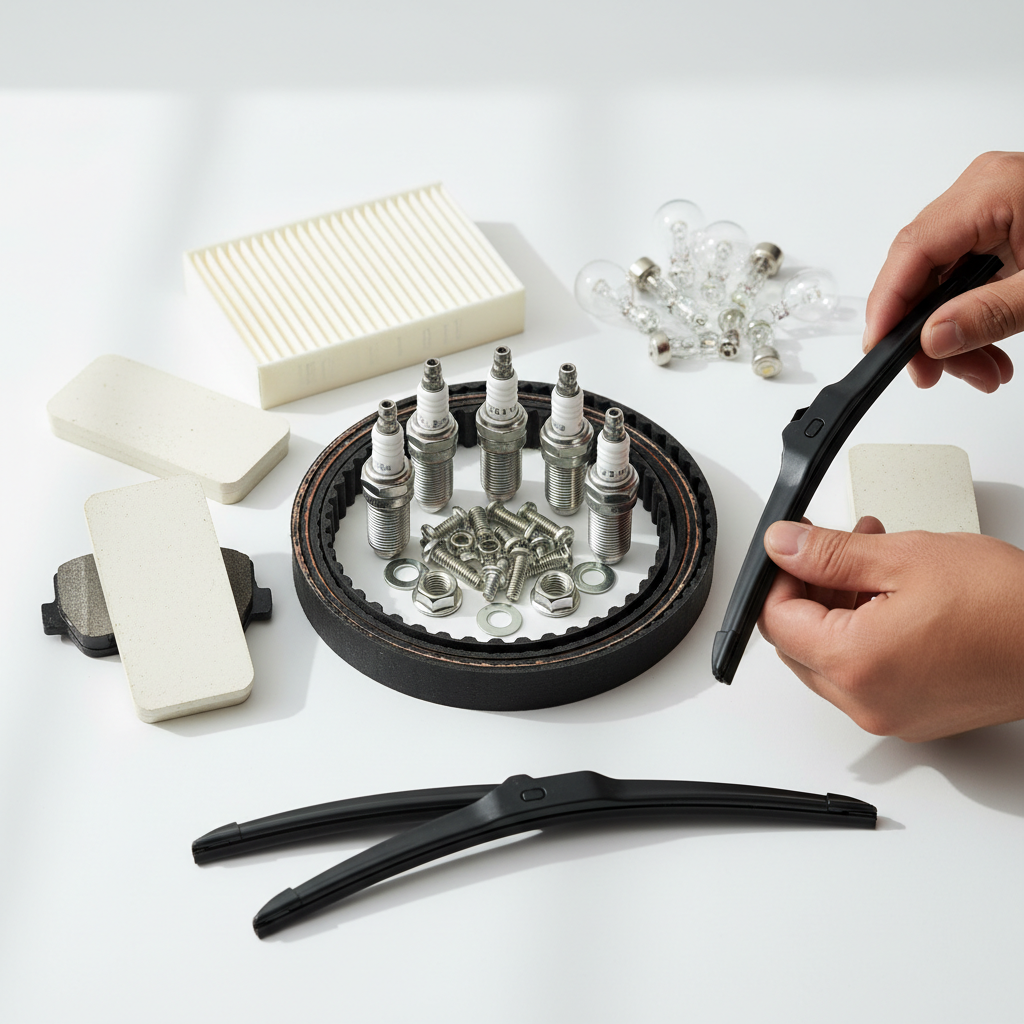
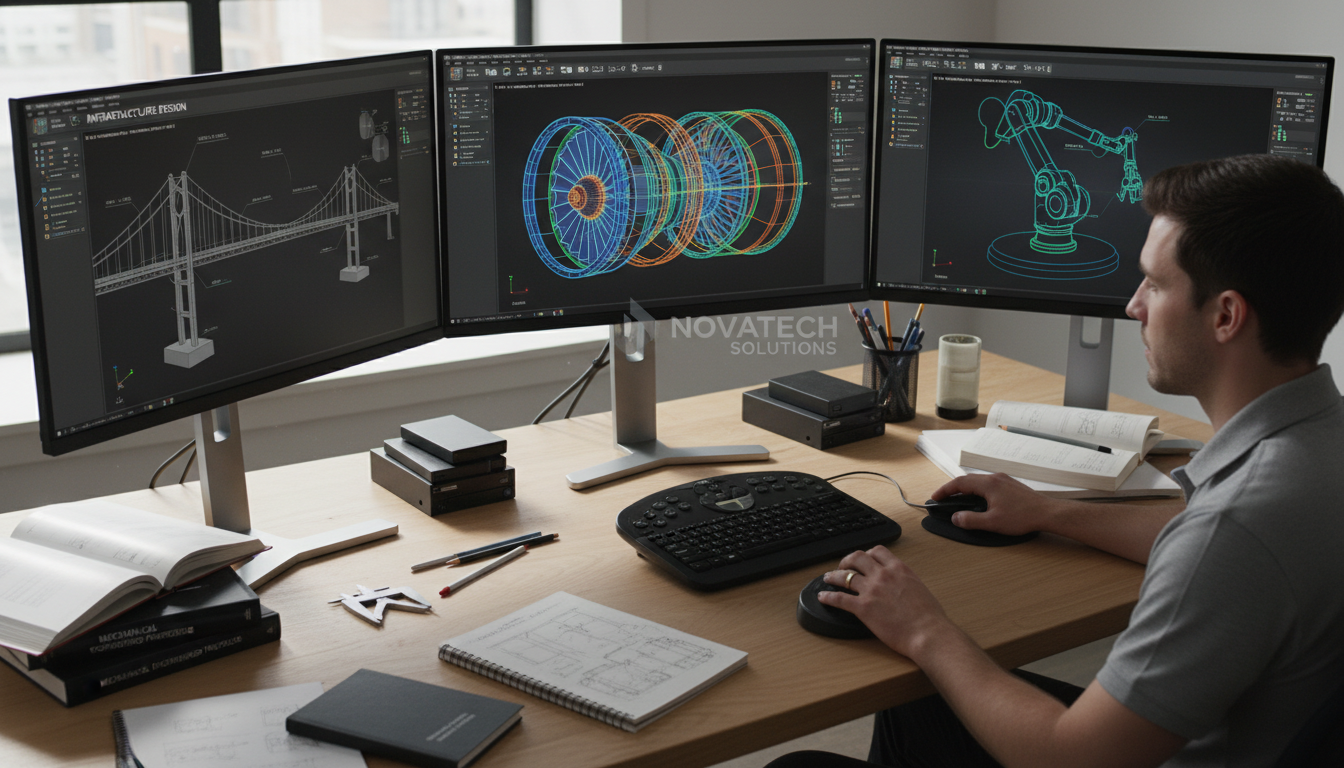
Recent innovations in mold design and technology have further enhanced the capabilities of injection molds. Computer-aided design (CAD) and computer-aided manufacturing (CAM) have allowed for more complex and precise mold designs. Additionally, advancements in automation and robotics have streamlined the production process, reducing human error and increasing efficiency.
Another significant innovation is the use of simulation software to predict potential issues in the molding process. This allows manufacturers to optimize mold designs and process parameters before actual production, saving both time and resources.
Environmental and Economic Benefits
High-performance injection molds also offer environmental and economic benefits. By reducing material waste and energy consumption, these molds contribute to more sustainable manufacturing practices. This is increasingly important as the automotive industry moves towards greener solutions.
Economically, the efficiency and durability of high-performance molds lead to cost savings. Reduced maintenance requirements and longer mold lifespans mean lower overall production costs, which can be passed on to consumers or reinvested into further innovations.

Conclusion
In conclusion, high-performance injection molds play a vital role in the automotive industry by enhancing production efficiency, precision, and sustainability. As technology continues to evolve, these molds will become even more integral to manufacturing processes, driving innovation and competitiveness in the automotive sector.