Fanuc Controller Enclosure Mold: What You Need to Know
Understanding Fanuc Controller Enclosure Molds
In the world of industrial automation, the Fanuc controller plays a crucial role in managing and operating robotic systems. To ensure optimal performance and protection, the enclosure mold housing these controllers is equally important. This article delves into the key aspects of Fanuc controller enclosure molds, shedding light on their significance and functionality.
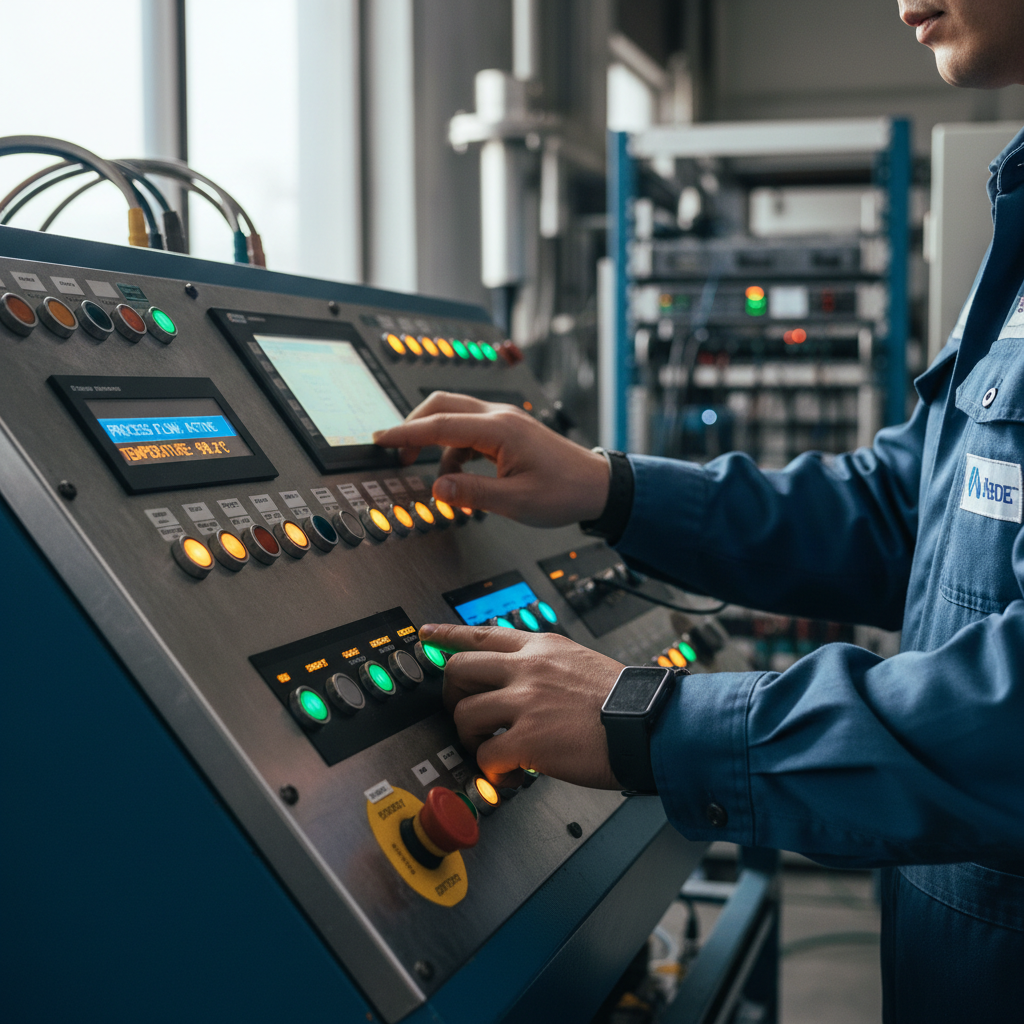
Why Enclosure Molds Matter
Enclosure molds are not just protective shells; they are integral to the safety and efficiency of the controller. These molds shield sensitive electronic components from dust, moisture, and other environmental hazards. Ensuring that the enclosure mold is robust and well-designed can significantly extend the lifespan of your Fanuc controller.
Moreover, a well-crafted enclosure mold can aid in heat dissipation, preventing overheating, which is a common issue in high-demand industrial settings. This protective feature is essential for maintaining consistent performance.
Materials Used in Enclosure Molds
The materials used for Fanuc controller enclosure molds are pivotal to their effectiveness. Typically, these molds are made from high-grade plastics or metals, each offering distinct advantages.
- Plastics: Lightweight and cost-effective, plastic molds provide adequate protection in less demanding environments.
- Metals: For harsher conditions, metal molds offer superior durability and resistance to external forces.
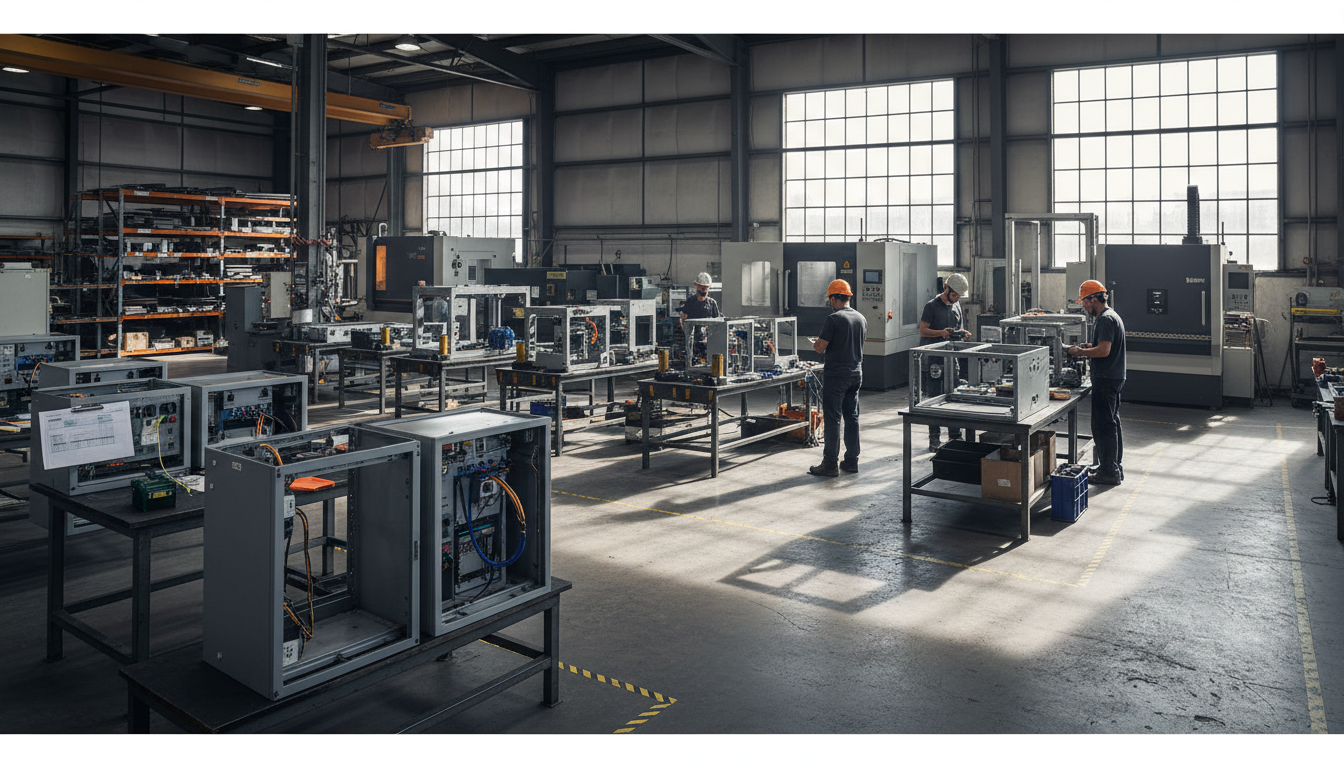
Design Features to Consider
When selecting or designing a Fanuc controller enclosure mold, several features should be prioritized. These include accessibility for maintenance, space for cable management, and adequate ventilation. A streamlined design that allows for easy access can significantly reduce downtime during maintenance operations.
Additionally, considering future scalability can be beneficial. An enclosure mold that accommodates potential upgrades or additional components ensures long-term usability.
Installation and Maintenance Tips
Proper installation is crucial for the performance of the Fanuc controller and its enclosure mold. Ensure that all components are securely mounted and that there is no risk of physical stress or vibration that could affect the system.
- Regularly inspect for any signs of wear or damage.
- Ensure that ventilation paths are clear.
- Periodically check seals and gaskets for integrity.
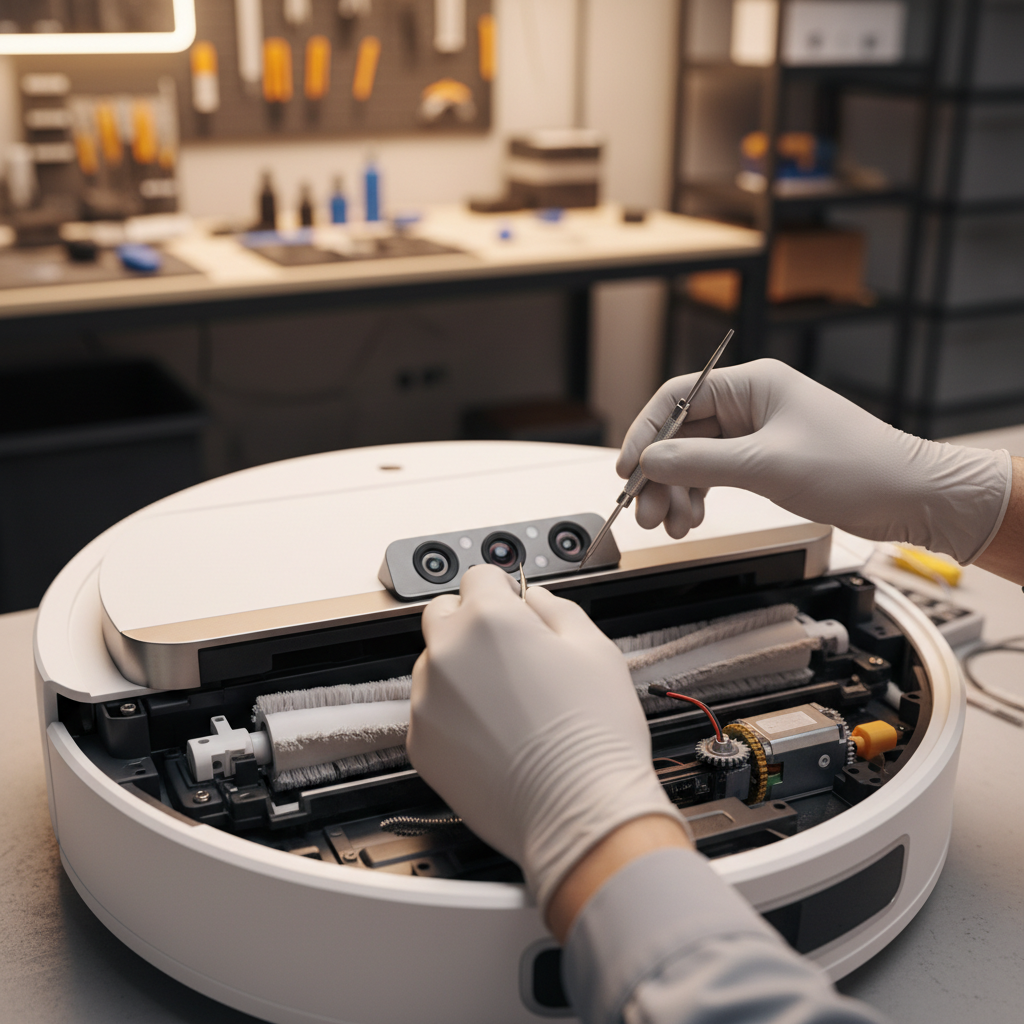
Advancements in Enclosure Technology
With advancements in technology, newer enclosure molds are becoming more sophisticated. Innovations such as smart sensors and enhanced materials are being integrated to improve performance and monitoring capabilities. These advancements allow for real-time data collection and predictive maintenance, reducing the risk of unexpected failures.
Moreover, customization has become more accessible, allowing businesses to tailor enclosure molds to specific operational needs, further enhancing efficiency and protection.
Conclusion
Fanuc controller enclosure molds are a vital component in the realm of industrial automation. Understanding their materials, design features, and maintenance requirements can lead to better performance and longevity of your robotic systems. As technology continues to evolve, staying informed about these developments will ensure that your systems remain at the forefront of efficiency and safety.