How Spritzguss Kunststoffteile für Robotik is Revolutionizing Robotics
The Rise of Injection Molded Plastic Parts in Robotics
In recent years, the robotics industry has seen remarkable advancements, many of which are fueled by innovations in materials and manufacturing techniques. One such innovation is the use of Spritzguss Kunststoffteile, or injection molded plastic parts. These components are transforming how robots are designed, built, and function across various applications.
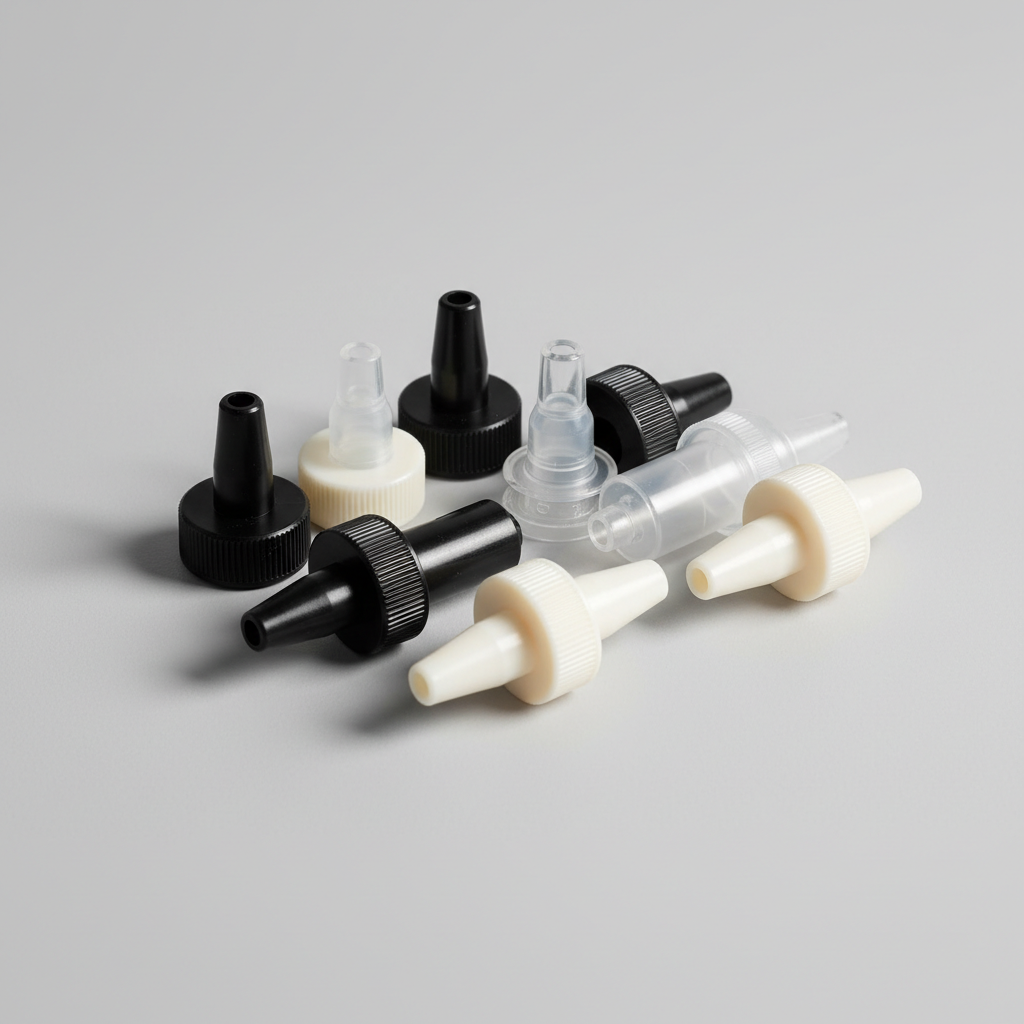
Why Injection Molding?
Injection molding offers numerous advantages over traditional manufacturing methods. It allows for the creation of complex shapes with high precision and consistency. This is particularly important in robotics, where each component must meet exact specifications to ensure optimal performance and reliability.
Moreover, injection molding is highly efficient, reducing both material waste and production time. This efficiency translates into cost savings, allowing companies to invest more in research and development or pass savings onto consumers.
Enhanced Design Flexibility
One of the standout benefits of injection molded plastic parts is their design flexibility. Engineers can experiment with different shapes, sizes, and configurations without worrying about prohibitive manufacturing costs. This flexibility fosters innovation, enabling the development of robots that are more versatile and capable than ever before.
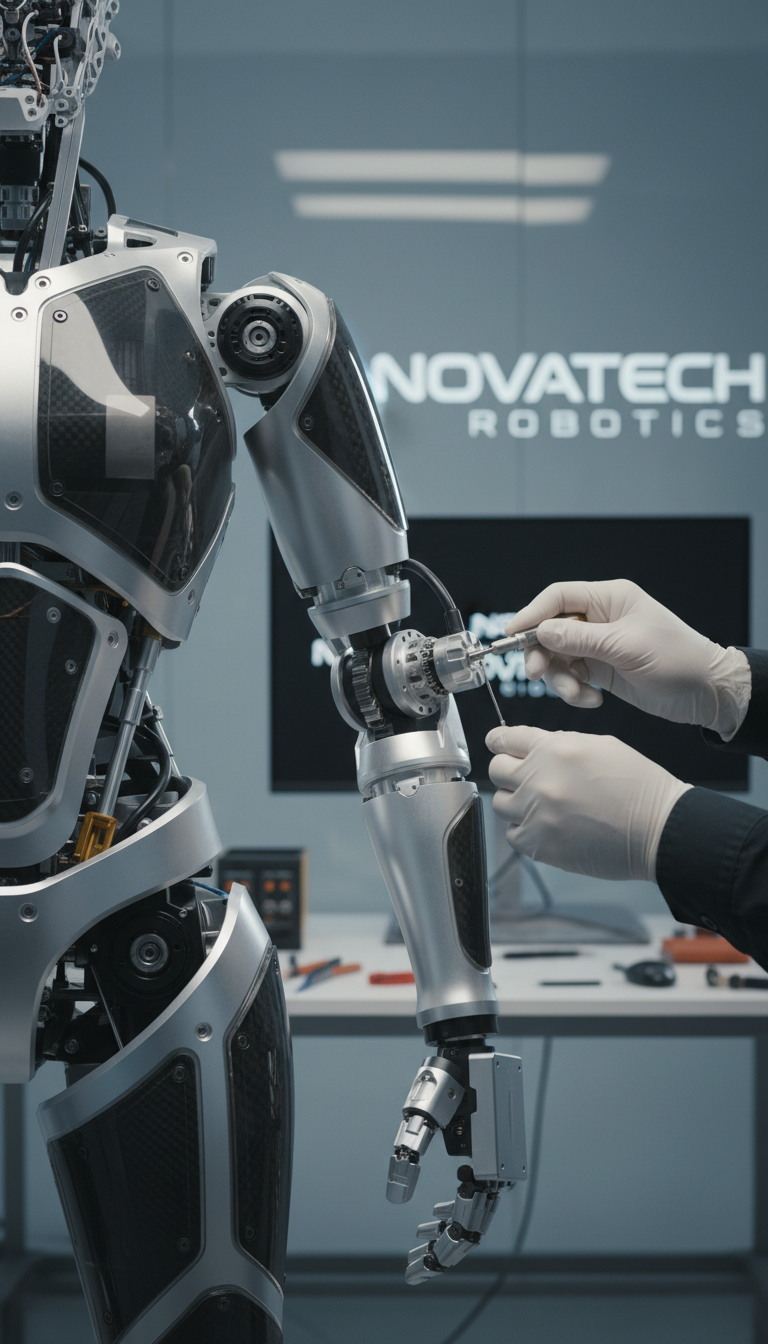
Additionally, plastics offer unique properties such as lightweight and corrosion resistance, which are crucial for many robotic applications. These materials can withstand harsh environments, ensuring that robots remain operational even under challenging conditions.
Applications Across Industries
The impact of Spritzguss Kunststoffteile extends to multiple industries. In healthcare, robots equipped with plastic components assist in surgeries with precision and dexterity. In manufacturing, robotic arms with lightweight plastic parts increase efficiency and reduce wear and tear.
- Healthcare: Surgical robots, prosthetics.
- Manufacturing: Assembly lines, quality control.
- Agriculture: Harvesting, planting.
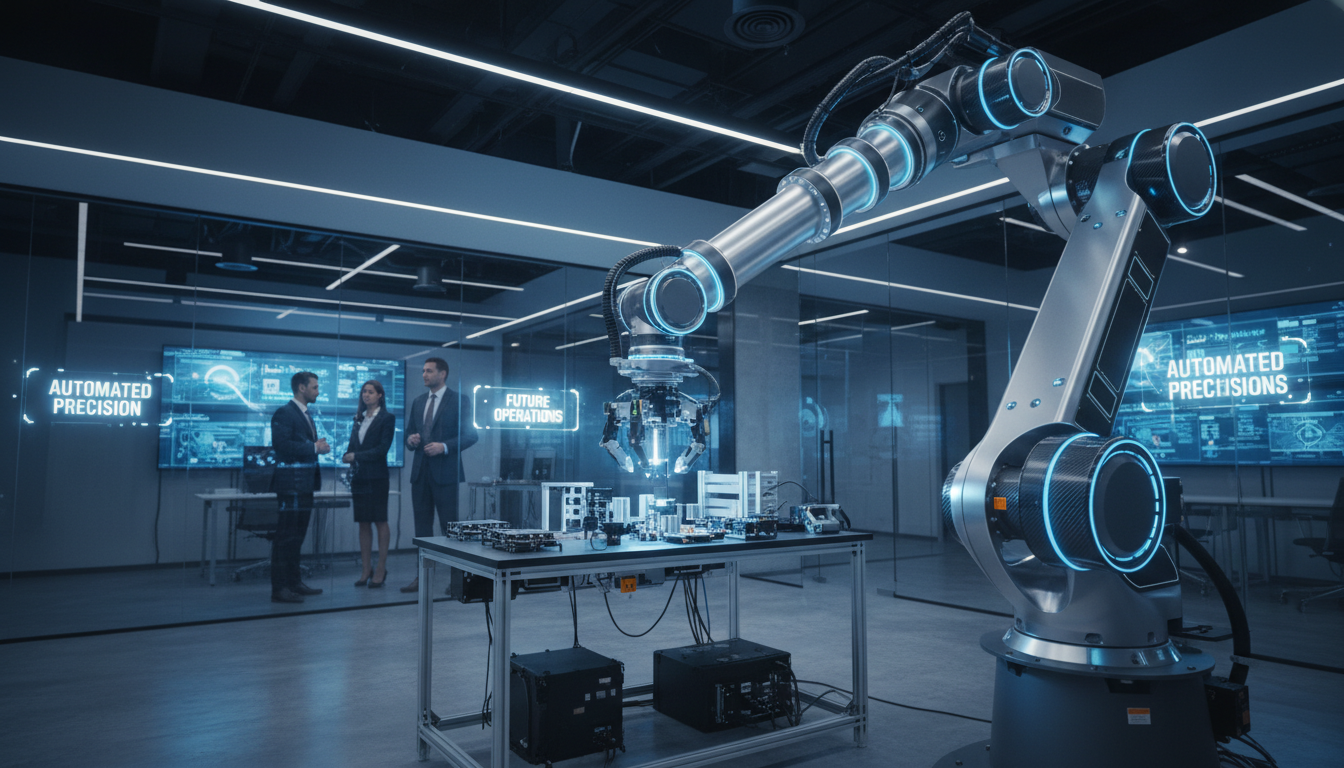
Sustainability and Environmental Impact
As industries strive for sustainability, injection molded plastics play a pivotal role. These materials are often recyclable and can be produced with lower energy consumption compared to metals. This aligns with global efforts to reduce environmental impact while maintaining industrial growth.
Furthermore, advances in biodegradable and recycled plastics are paving the way for a more sustainable future. Robotics companies are increasingly adopting these eco-friendly materials to meet both regulatory requirements and consumer expectations.
The Future of Robotics with Plastic Parts
Looking ahead, the use of injection molded plastic parts in robotics is set to grow even further. As technology advances, we can expect even more durable and versatile materials to emerge, expanding the possibilities for robotic applications.
Innovations in this field will likely lead to more accessible and affordable robotics solutions, promoting wider adoption across industries and enhancing productivity and efficiency worldwide. The revolution in robotics, driven by Spritzguss Kunststoffteile, is just beginning.