How to Ensure Quality in Injection Molding for Electronics
Understanding the Basics of Injection Molding
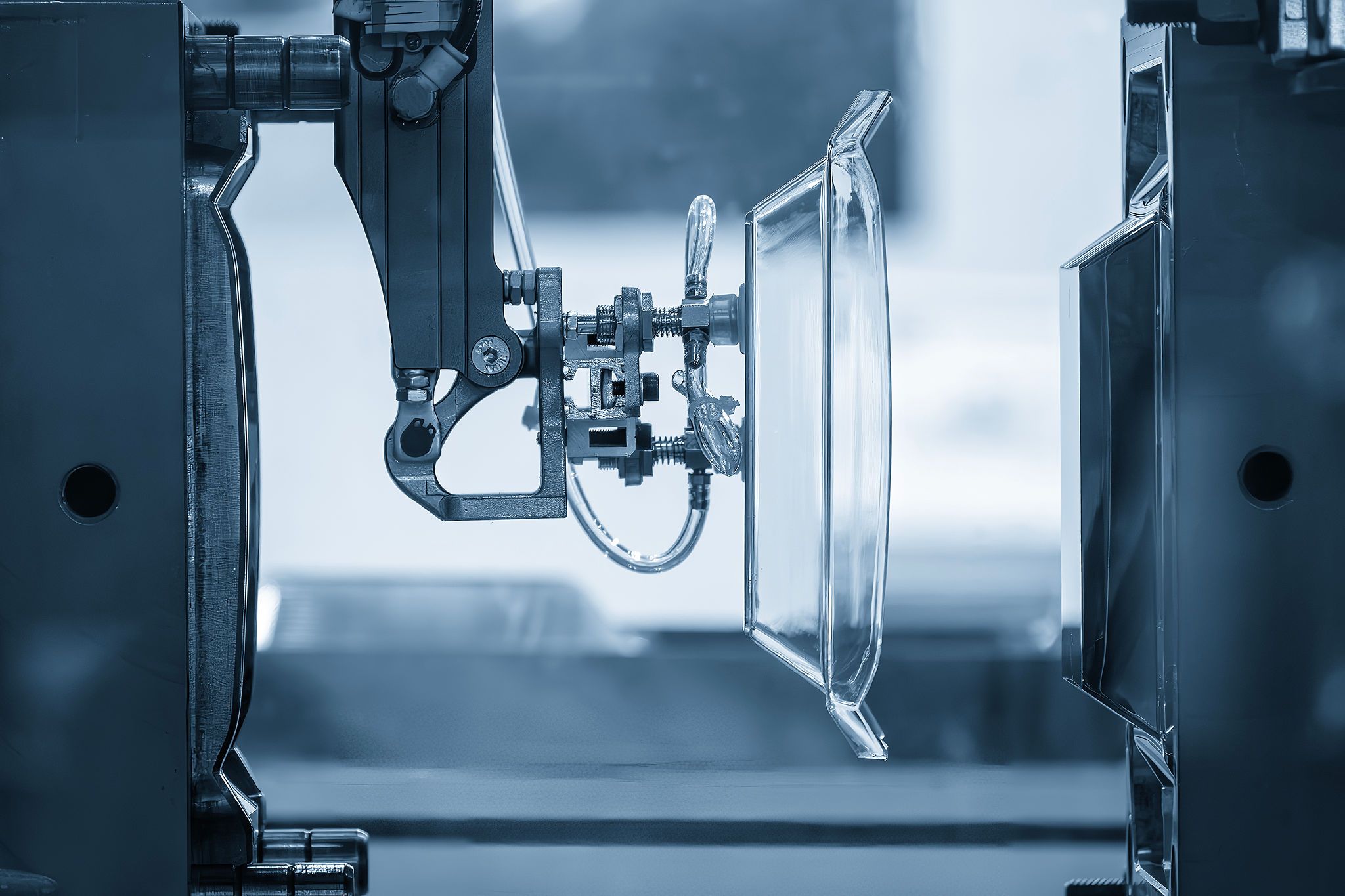
Injection molding is a widely used manufacturing process for producing parts by injecting molten material into a mold. In the electronics industry, this technique is crucial for creating components that meet precise specifications. Understanding the basics of injection molding is the first step towards ensuring quality in production. Key factors include selecting the right materials, maintaining proper temperature control, and ensuring mold precision.
For electronic components, materials such as thermoplastics are commonly used due to their excellent insulation properties and durability. The choice of material can significantly impact the quality and performance of the final product. Therefore, it is essential to perform thorough research and testing when selecting materials for specific electronic applications.
Designing for Quality
Design plays a vital role in the quality of injection-molded electronic components. A well-thought-out design minimizes the risk of defects and optimizes the production process. Engineers should focus on creating designs that facilitate easy mold filling and uniform cooling.
Implementing design for manufacturability (DFM) principles can greatly enhance quality. This involves considering factors such as wall thickness, rib design, and draft angles. Proper design reduces the likelihood of issues like warping, sink marks, and voids, which can compromise the functionality of electronic parts.
Utilizing Advanced Simulation Software
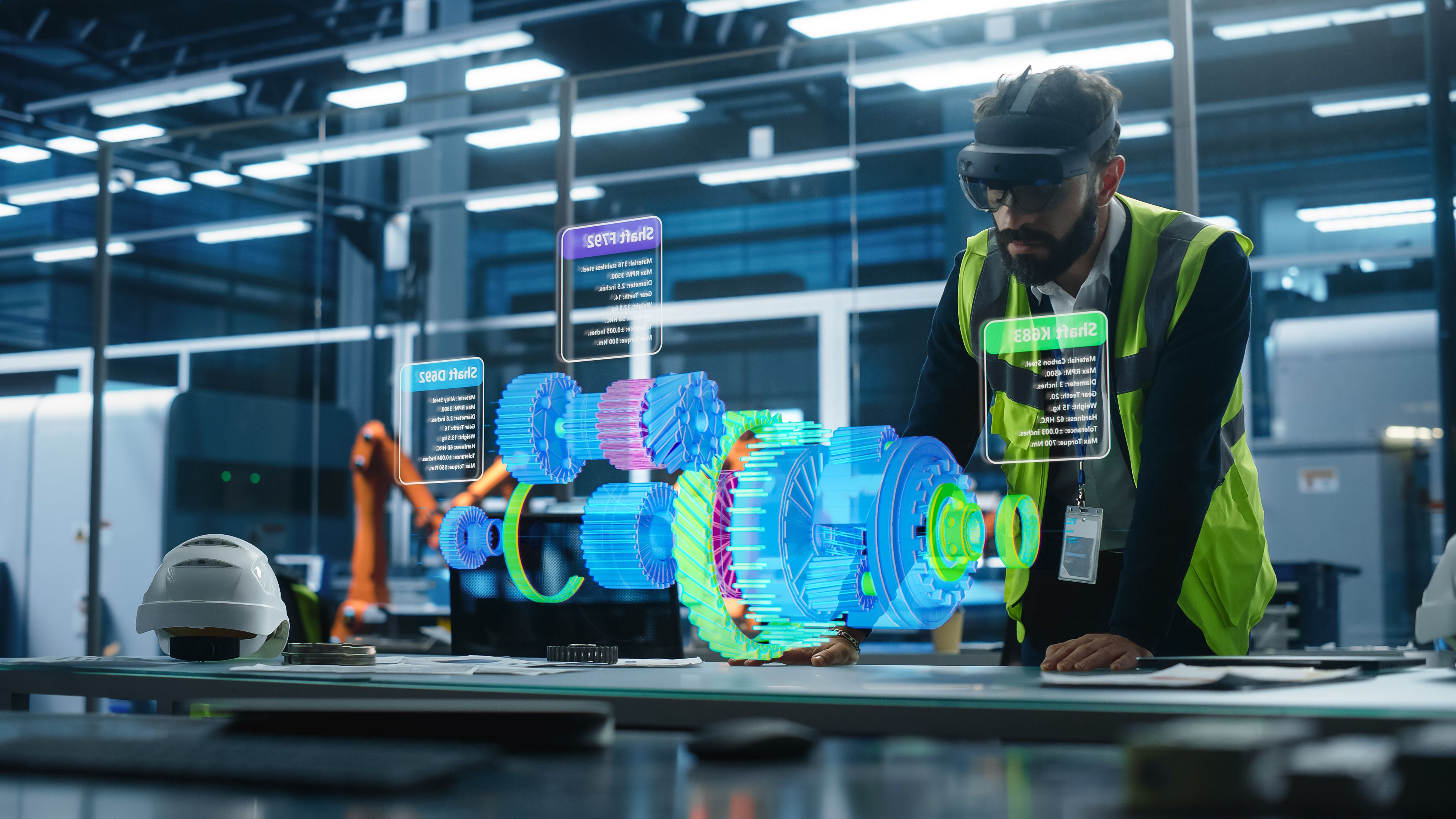
Advanced simulation software can predict how materials will behave during the injection molding process. By simulating the flow of molten plastic and cooling patterns, manufacturers can identify potential issues before production begins. This proactive approach allows for design adjustments that ensure higher quality and reduce waste.
Implementing Rigorous Quality Control
Quality control is a cornerstone of successful injection molding for electronics. Implementing rigorous testing and inspection procedures throughout the production process can help detect and rectify defects early. This includes dimensional checks, visual inspections, and functional testing of the final components.
Adopting statistical process control (SPC) methods can further enhance quality assurance. By monitoring and controlling the production process, manufacturers can maintain consistency, reduce variability, and improve product reliability. SPC tools provide valuable insights that help in making data-driven decisions for continuous improvement.
Investing in Skilled Workforce
The human element is crucial in achieving high-quality injection molding. Investing in skilled personnel ensures that the production process is handled by experienced professionals who understand the nuances of the technology. Regular training and development programs keep the workforce updated with the latest industry practices and innovations.

Continuous Improvement and Innovation
In the fast-paced world of electronics manufacturing, continuous improvement and innovation are essential. By fostering a culture of innovation, companies can explore new materials, technologies, and processes that enhance quality and efficiency. Regularly reviewing and updating production practices ensures that the company remains competitive and meets the evolving demands of the market.
Partnering with suppliers and customers for feedback and collaboration can also drive innovation. By understanding customer needs and incorporating their insights, manufacturers can develop superior products that stand out in the marketplace.