How to Find a Tariff-Friendly China Mold Supplier for Automotive Needs
Understanding Tariffs and Their Impact on Mold Sourcing
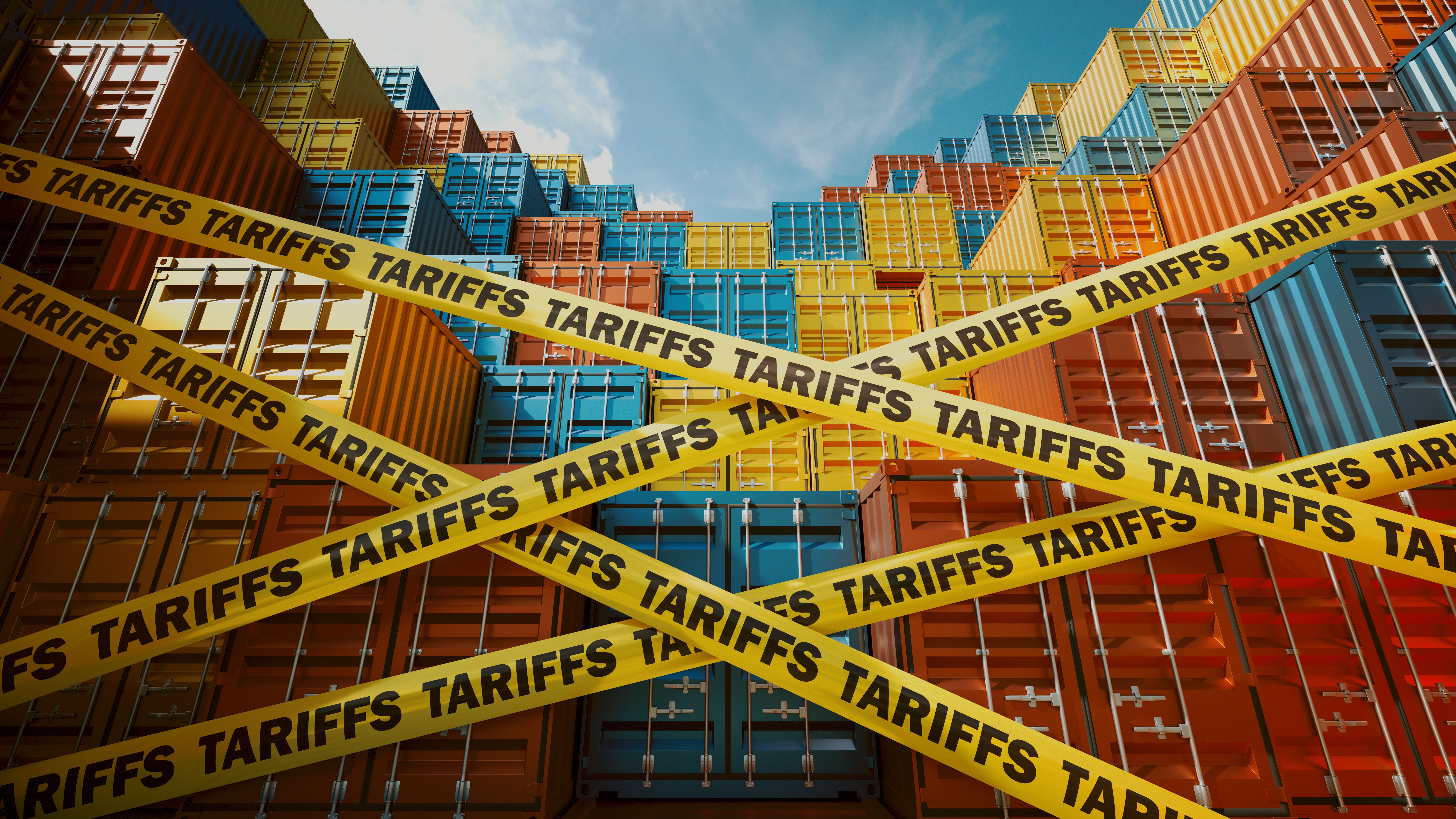
When sourcing molds from China for automotive needs, it's crucial to understand how tariffs can affect your costs and supply chain. Tariffs are taxes imposed by governments on imported goods, which can significantly impact pricing and profitability. Being tariff-aware can help you make informed decisions and maintain competitive pricing.
Researching Potential Suppliers
Begin by researching potential suppliers that have a strong reputation in mold manufacturing for the automotive industry. Look for suppliers with a history of exporting to regions with specific tariff regulations. This ensures they have experience navigating complex trade environments and can offer guidance on minimizing costs.
Utilize online platforms and industry forums to gather reviews and feedback from other businesses. Networking with industry peers can also provide insights into reliable suppliers who offer quality products without excessive tariff costs.
Evaluating Compliance and Certifications
Compliance with international standards is essential when selecting a China mold supplier. Ensure that potential suppliers comply with automotive industry standards and possess necessary certifications like ISO/TS 16949. These certifications not only demonstrate quality but also enhance the likelihood of tariff-friendly transactions.
Also, verify if the supplier adheres to any specific trade agreements or regional standards that might reduce tariff implications. This information can often be obtained directly from the supplier or through third-party verification services.
Negotiating Terms and Conditions
Once you've shortlisted potential suppliers, it's time to negotiate terms and conditions. Focus on discussing tariff-related clauses and explore options like duty drawback programs, which refund customs duties on imported goods that are later exported. These programs can offer significant cost savings.
Exploring Logistics and Shipping Solutions
Efficient logistics and shipping arrangements play a vital role in managing tariff costs. Collaborate with suppliers who offer flexible shipping options and have partnerships with logistics providers experienced in handling international trade and tariffs.

Discuss potential routes and shipping methods that could minimize tariff impacts. Air freight, for example, might be a quicker option but could incur higher tariffs compared to sea freight. Weigh these factors against your production timeline and budget.
Building Long-Term Partnerships
Establishing a long-term partnership with a mold supplier can lead to better tariff management. A reliable supplier will keep you informed about changes in tariff regulations and work with you to adapt strategies accordingly.
Regular communication and feedback loops ensure that both parties can proactively address challenges related to tariffs and adjust processes to maintain cost-effectiveness.
Leveraging Technology and Data
Utilize technological solutions to track and analyze tariff data. Software tools that provide real-time updates on tariff changes can help you stay ahead of the curve. These tools can also offer predictive analytics to forecast future tariff scenarios, allowing you to plan strategically.

By leveraging technology, you can make data-driven decisions that optimize your supply chain and minimize the impact of tariffs on your automotive mold sourcing.