Innovations in Mold Manufacturing for Household Products
Introduction to Mold Manufacturing Innovations
The world of mold manufacturing for household products is undergoing a significant transformation. With the rise of new technologies and methodologies, the industry is seeing a wave of innovations that promise to enhance efficiency, sustainability, and product quality. From advanced materials to cutting-edge fabrication techniques, these developments are reshaping how everyday items are made.
Mold manufacturing is crucial for producing various household products, from kitchenware to decorative items. As consumer demands become more sophisticated, manufacturers are exploring novel approaches to meet these expectations while minimizing costs and environmental impact.
Advanced Materials in Mold Manufacturing
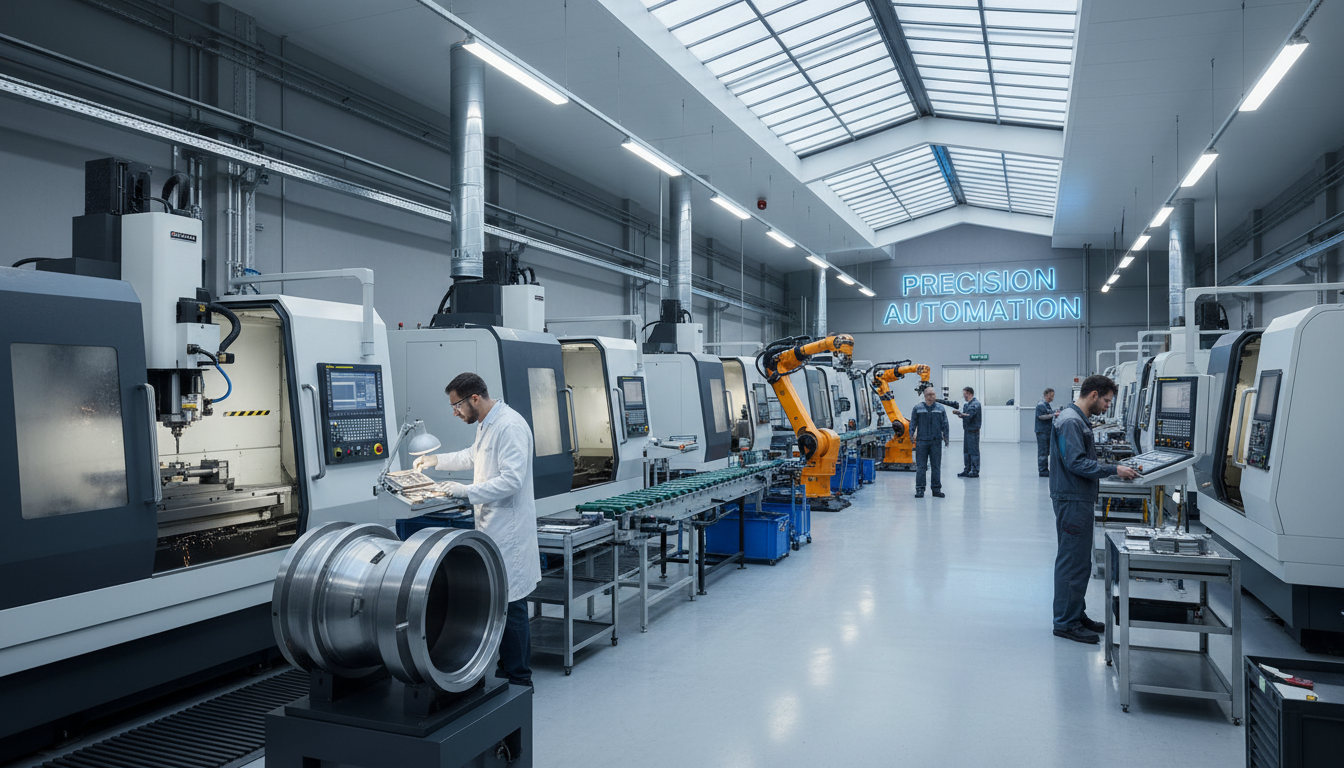
One of the major breakthroughs in mold manufacturing is the use of advanced materials. These materials, such as high-strength alloys and composites, offer increased durability and precision. They enable manufacturers to produce molds that can withstand higher temperatures and pressures, resulting in more detailed and intricate designs for household products.
Moreover, the integration of eco-friendly materials is becoming a priority. Biodegradable and recyclable materials are being used to create molds, aligning with the growing trend of sustainability in manufacturing. This shift not only reduces the carbon footprint but also addresses the increasing consumer demand for environmentally responsible products.

Technological Advancements in Fabrication
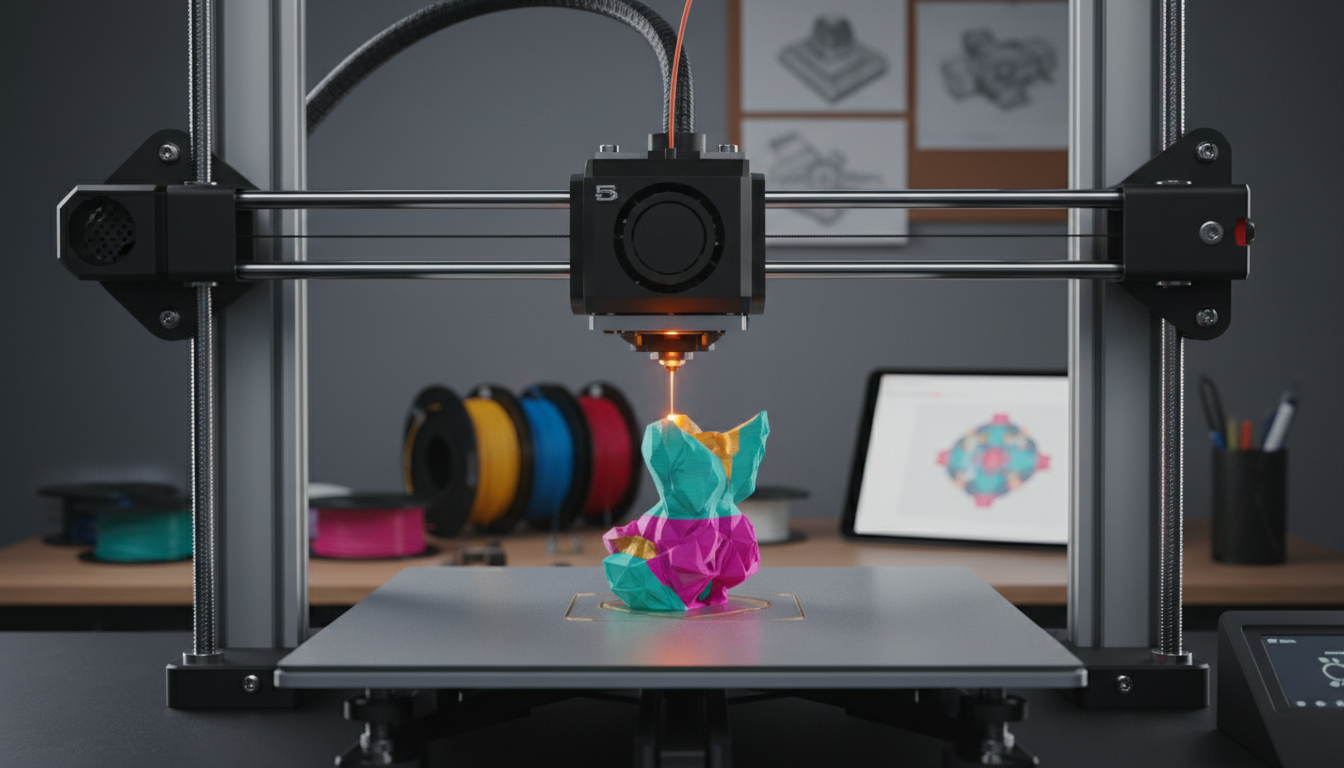
The adoption of advanced technologies such as 3D printing and CNC machining has revolutionized mold fabrication. These technologies allow for rapid prototyping and production, significantly reducing lead times. With 3D printing, manufacturers can create complex mold designs that were previously impossible with traditional methods.
CNC machining, on the other hand, enhances precision and quality, allowing for the production of molds with exact specifications. This level of accuracy ensures that the final household products are consistent and meet high-quality standards.
Automation and Smart Manufacturing
Automation is playing a crucial role in modern mold manufacturing. By integrating smart systems and robotics, manufacturers can streamline operations and increase productivity. Automation reduces human error, enhances safety, and allows for continuous production without downtime.
Smart manufacturing involves using data analytics and IoT devices to monitor and optimize the production process. These technologies provide real-time insights into mold performance and maintenance needs, ensuring that any issues are addressed promptly.

Impact on Household Product Design
These innovations in mold manufacturing are directly influencing the design of household products. With the ability to create more complex and detailed molds, designers have greater freedom to explore innovative shapes and functions. This results in products that are not only aesthetically pleasing but also highly functional.
Additionally, the use of advanced materials and technologies allows for more customization options. Manufacturers can offer personalized products tailored to individual consumer preferences, enhancing the overall customer experience.
Conclusion
The innovations in mold manufacturing are paving the way for a new era of household products. As the industry continues to evolve, we can expect to see even more exciting developments that will transform everyday items into more efficient, sustainable, and innovative products.
Embracing these advancements will not only benefit manufacturers by improving production processes but also offer consumers better quality and more environmentally responsible choices.