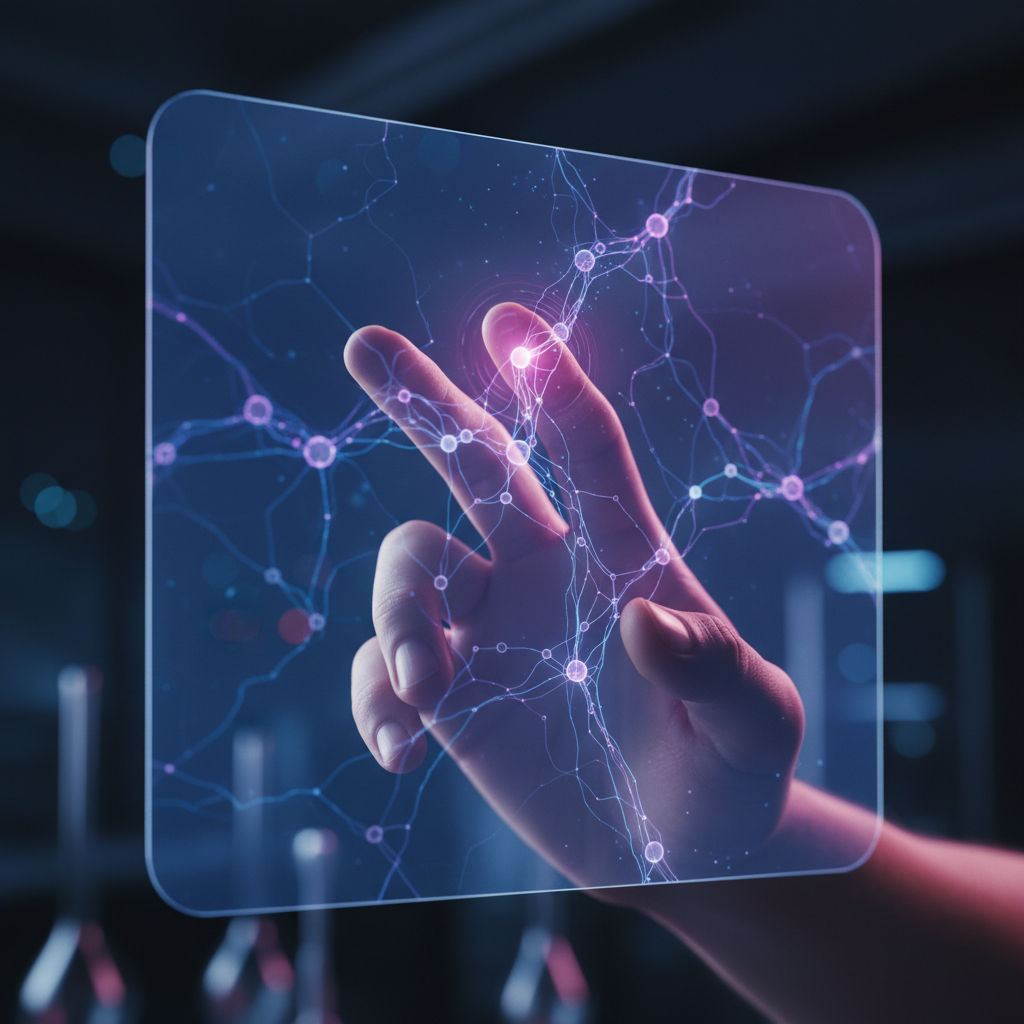
Innovative Die Casting Techniques for Modern Electronics
Introduction to Die Casting in Electronics
In the rapidly evolving world of electronics, manufacturers are constantly seeking ways to enhance the durability and performance of their products. One technique that has gained significant traction is die casting. This process offers a multitude of benefits, particularly for the production of electronic components.
Die casting is a versatile method known for its ability to produce complex shapes with high precision. It involves forcing molten metal into molds under high pressure, which allows for the creation of intricate designs that are both strong and lightweight.

Advantages of Die Casting for Electronics
The use of die casting in electronics offers several advantages. Firstly, it allows for high-volume production at a reduced cost. The molds used in die casting are highly durable, capable of producing thousands of components before showing signs of wear.
Another key benefit is the superior thermal conductivity of die-cast components. This property is crucial in electronics, where efficient heat dissipation can significantly enhance device performance and longevity.
Precision and Consistency
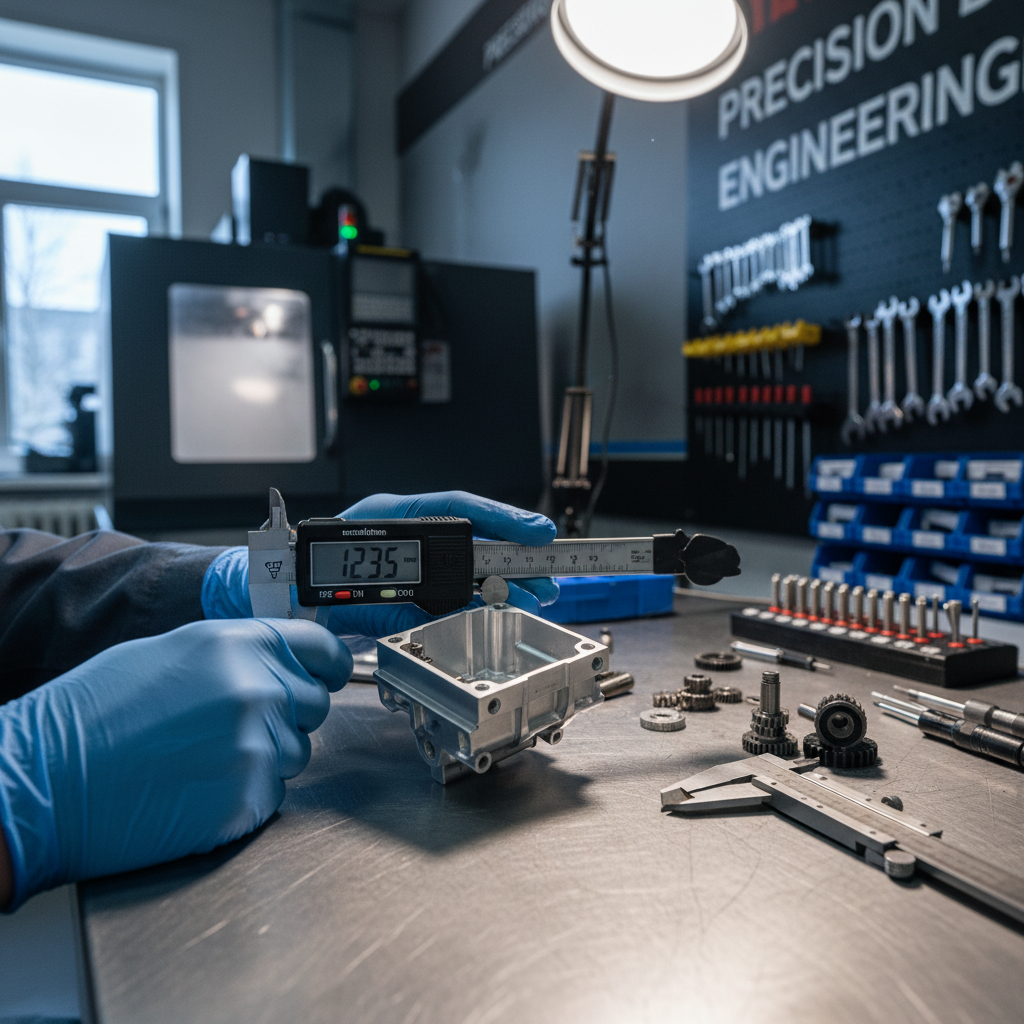
Die casting also ensures a high level of precision and consistency. The process can achieve tight tolerances, making it ideal for components that require exact specifications. This precision reduces the need for secondary machining, thereby saving time and resources.
Innovative Techniques in Die Casting
As technology advances, so do the techniques used in die casting. One such innovation is the development of new alloys that offer improved strength and resistance to corrosion. These materials are particularly beneficial for electronic components exposed to harsh environments.
Furthermore, advancements in computer-aided design (CAD) and simulation technologies have revolutionized the die casting process. These tools allow manufacturers to design and test molds with unprecedented accuracy, reducing the likelihood of defects and improving overall quality.
Sustainability in Die Casting
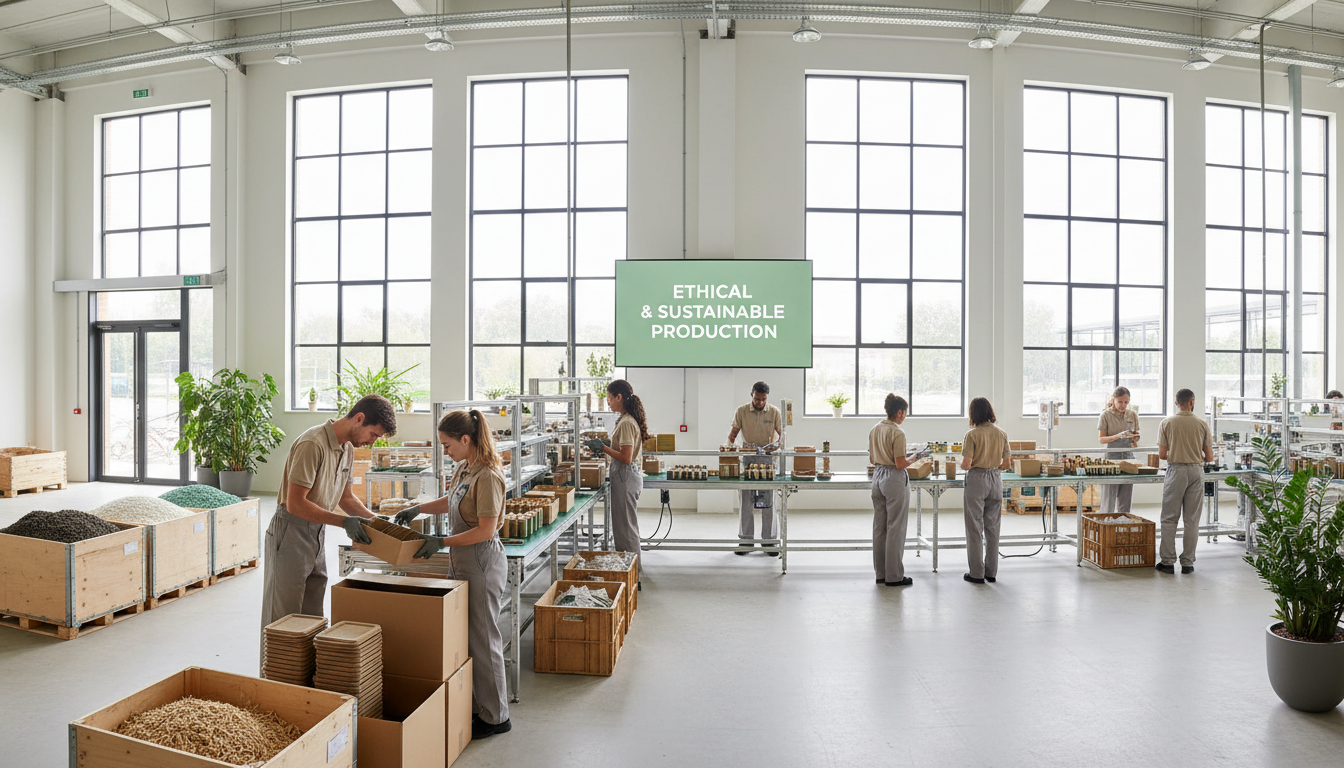
Environmental considerations are becoming increasingly important in manufacturing. Modern die casting techniques focus on reducing waste and improving energy efficiency. Many facilities now recycle leftover materials, contributing to a more sustainable production cycle.
Applications in Modern Electronics
Die casting is used extensively in the production of electronic housings and enclosures. These components require a high degree of precision and durability to protect sensitive internal parts. Die casting provides the perfect solution by combining strength with lightweight properties.
Additionally, die-cast parts are used in the production of connectors, heatsinks, and other critical electronic components. The ability to manufacture these parts with high thermal and electrical conductivity makes die casting an indispensable technique in the electronics industry.
Future Trends in Die Casting
Looking ahead, the integration of artificial intelligence and machine learning into the die casting process promises to enhance efficiency and quality further. These technologies can predict potential issues and optimize the manufacturing process, ensuring the highest standards of production.
With ongoing research and development, die casting will continue to play a pivotal role in the electronics sector. As new materials and techniques are developed, the potential applications of die casting will only expand, paving the way for even more innovative electronic products.