Navigating the Mold Manufacturing Process: A Guide for Home Depot-Certified Suppliers
Understanding the Basics of Mold Manufacturing
For Home Depot-certified suppliers, mastering the mold manufacturing process is crucial to maintaining product quality and meeting rigorous standards. Mold manufacturing involves creating molds that are used to shape materials like plastic, metal, or rubber into desired forms. This process is essential in producing a wide range of products from household items to industrial components.
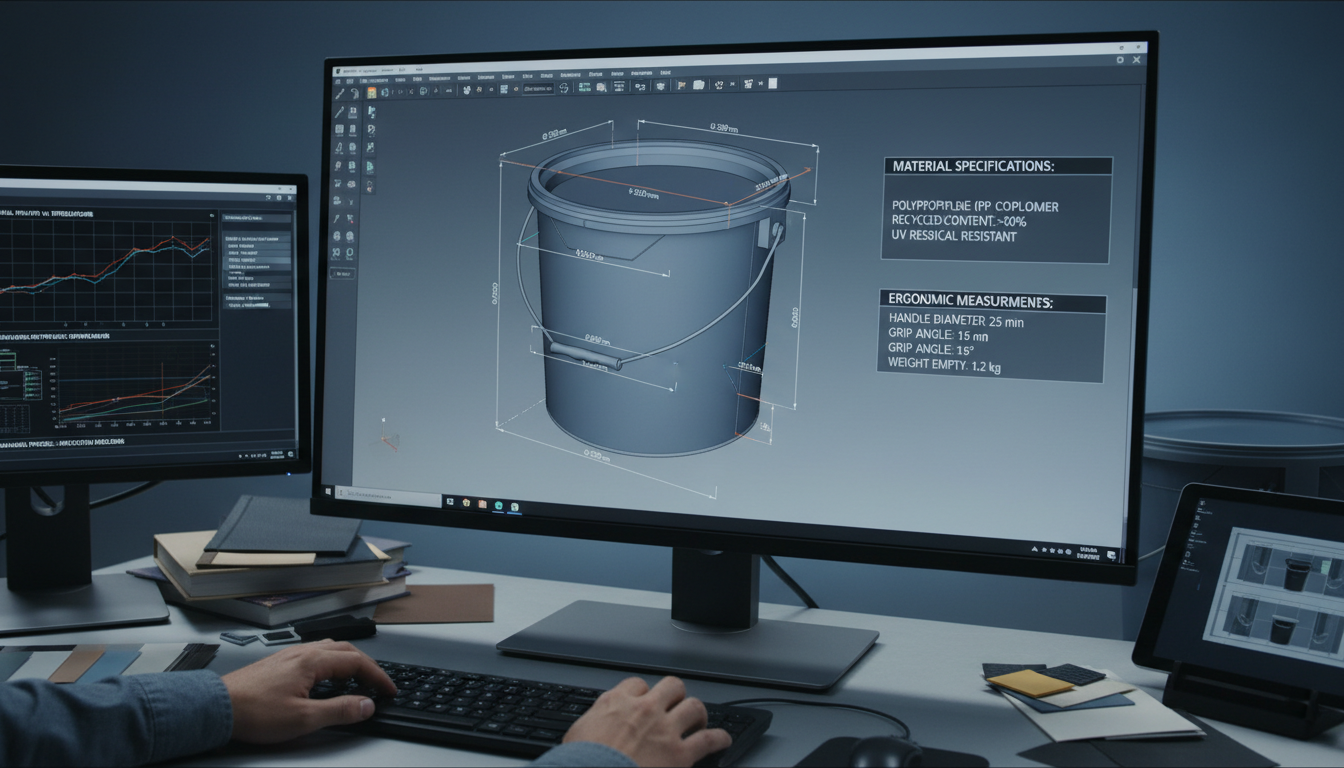
The first step in this intricate process is designing the mold. Designers use CAD software to create precise blueprints, taking into account the specific requirements of the product. It is critical to ensure that these designs are accurate, as even minor errors can result in significant production issues.
The Role of Material Selection
Choosing the right material for mold manufacturing is vital. The material must withstand the production process, maintain durability, and ensure the quality of the final product. Common materials used in mold making include aluminum, steel, and sometimes high-grade plastics. Each material has its own set of advantages and limitations.
For example, aluminum is lightweight and excellent for small production runs, while steel is more durable and suited for high-volume production. Suppliers must weigh these factors carefully to make informed decisions that align with their manufacturing goals.
Precision Machining and Mold Fabrication
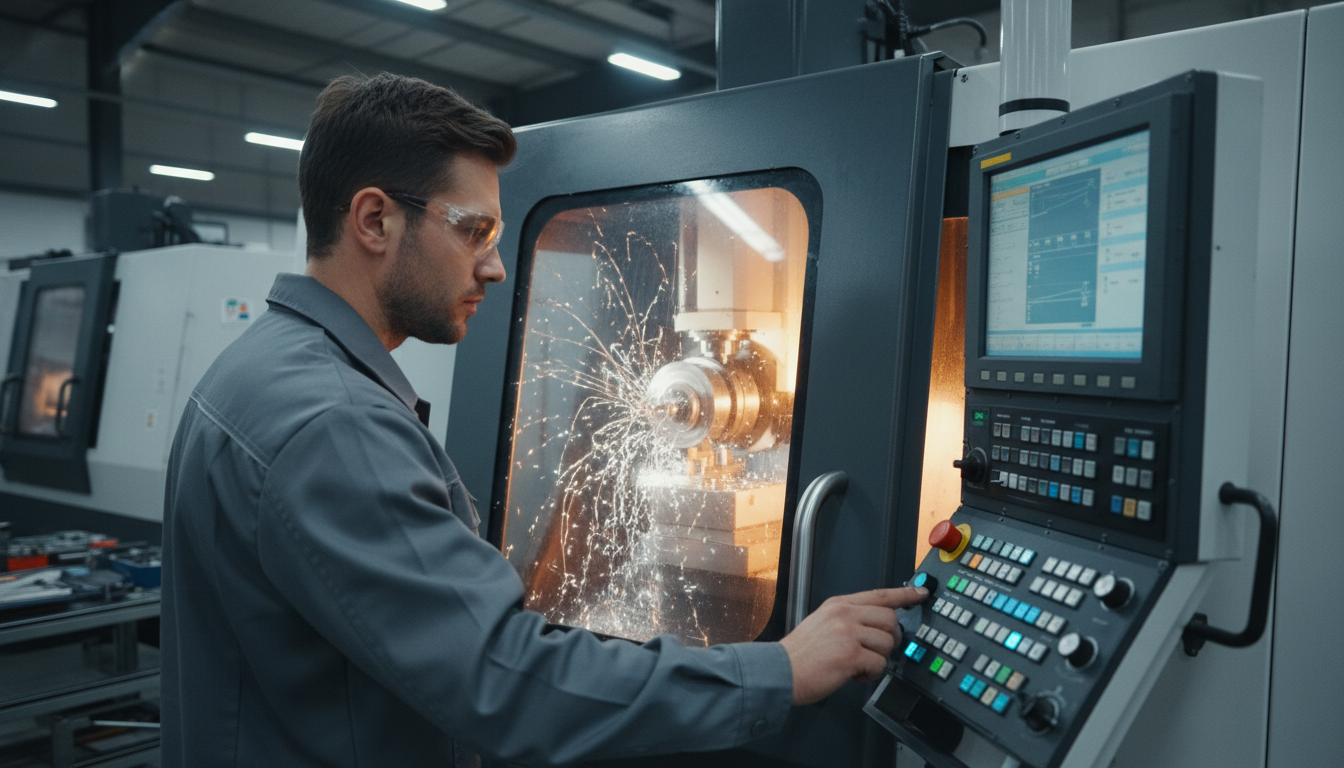
Once the design and material selection are finalized, the next phase is precision machining. This involves using CNC machines to carve out the mold from the selected material. Precision is key here, as even the slightest deviation can affect the product's shape and functionality.
CNC machining allows for high accuracy and consistency, which is why it is the preferred method for many suppliers. Understanding this step is crucial for suppliers to ensure that their products meet Home Depot's quality standards.
Quality Assurance and Testing
After the mold is fabricated, it undergoes rigorous testing to ensure it meets the required specifications. This phase is critical for identifying any defects or inconsistencies before mass production begins. Suppliers commonly use techniques such as mold flow analysis and stress testing to evaluate the mold's performance.
Implementing a robust quality assurance process helps suppliers minimize waste, reduce costs, and deliver consistent, high-quality products that meet Home Depot’s standards.
Maintaining and Repairing Molds
Maintenance is an often-overlooked aspect of mold manufacturing but is essential for prolonging the life of a mold. Regular inspections and timely repairs can prevent costly downtimes and ensure seamless production runs. Suppliers should establish a maintenance schedule that includes cleaning, lubrication, and periodic checks for wear and tear.
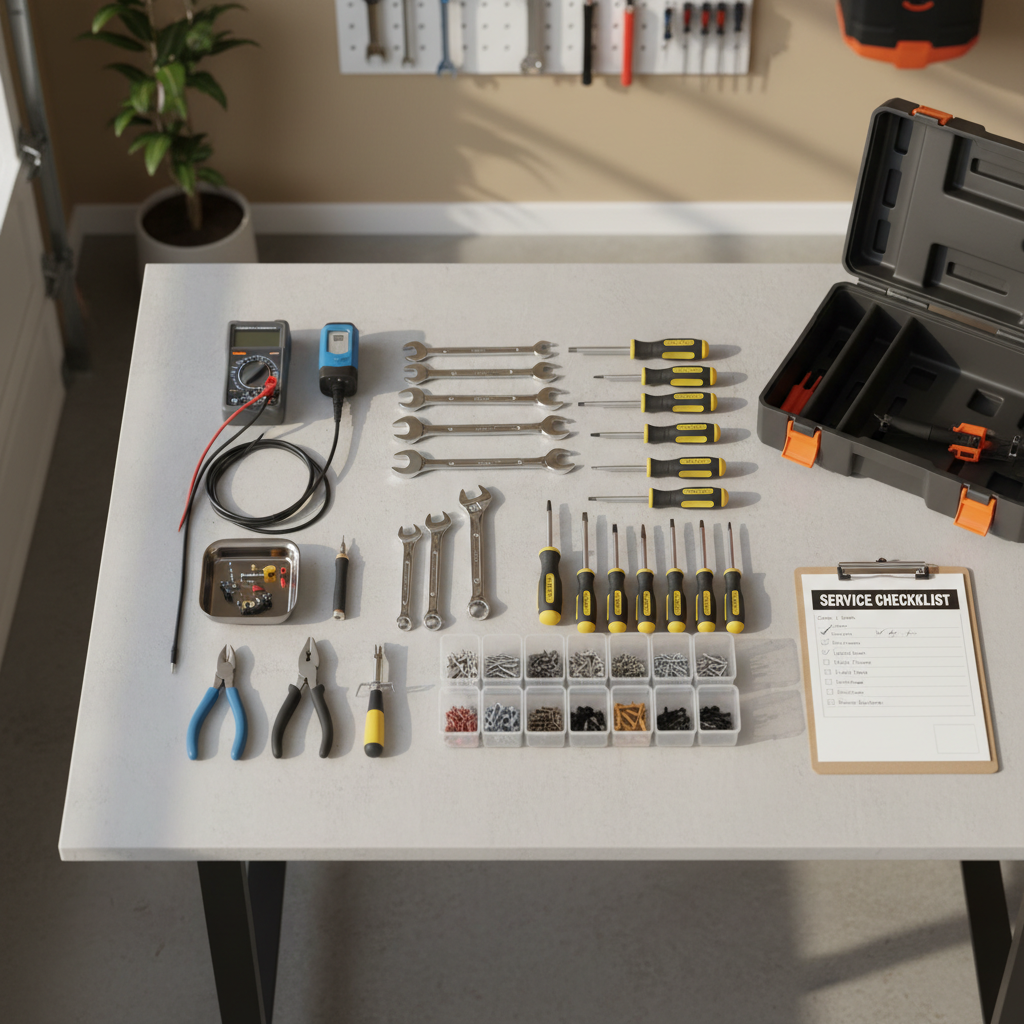
By staying proactive in mold maintenance, suppliers can avoid unexpected issues and maintain a steady flow of production, ensuring they meet delivery timelines set by Home Depot.
Staying Ahead with Innovation
In the competitive world of manufacturing, innovation is key. Suppliers should continually explore new technologies and methodologies to improve their mold manufacturing processes. Techniques like 3D printing and advanced simulation software are gaining popularity and can significantly enhance efficiency and precision.
By embracing these innovations, Home Depot-certified suppliers can not only meet but exceed expectations, securing their place as leaders in the industry.