Seasonal Molding Needs: Preparing for Changing Demands in Outdoor Sports
Understanding Seasonal Molding Needs
As the seasons change, so do the demands on outdoor sports equipment. Manufacturers must adapt to varying environmental conditions and consumer needs. Molding processes play a crucial role in this adaptation, ensuring that equipment maintains its performance and durability throughout the year.
The transition from summer to winter sports, for example, requires a shift in materials and design. Manufacturers must consider factors like temperature fluctuations, moisture levels, and physical stress on materials. This means selecting the right molding techniques and materials to ensure products meet these unique requirements.
Adapting Materials for Seasonal Changes
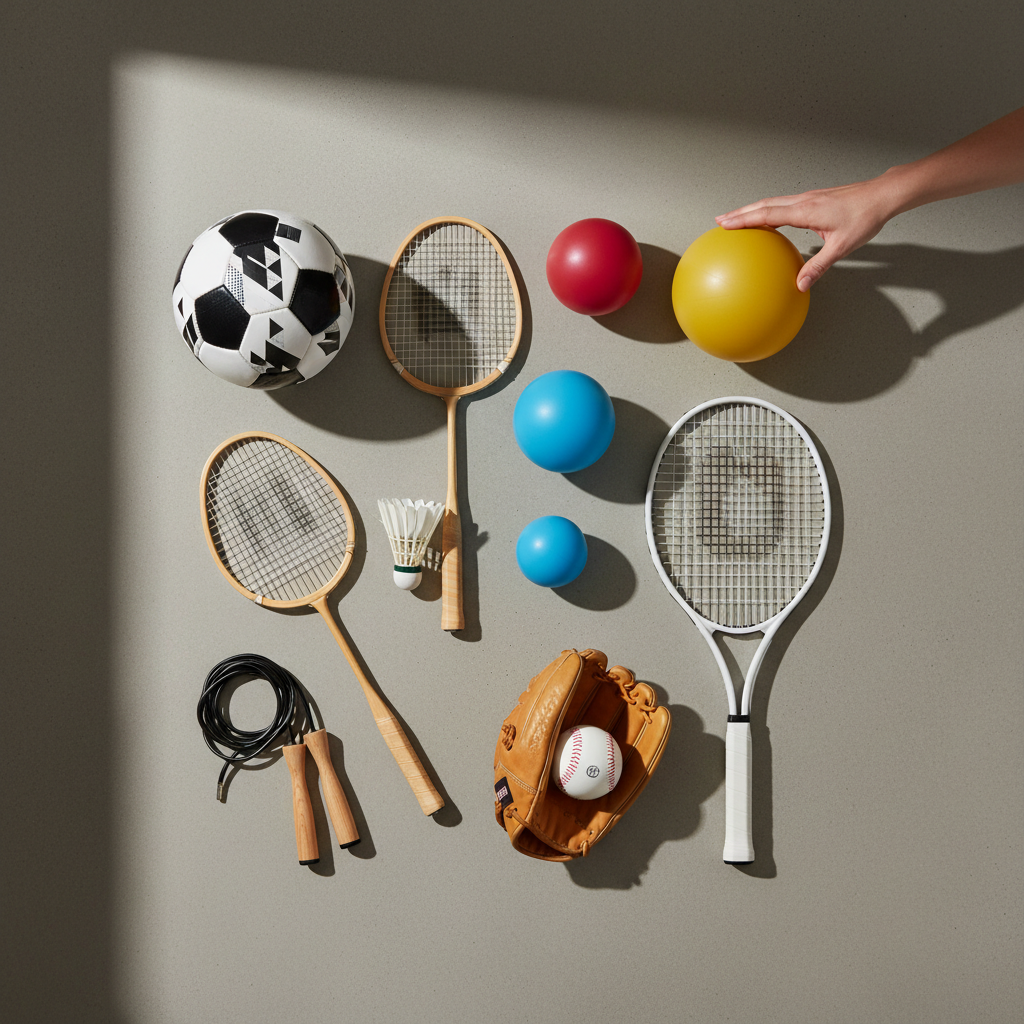
One of the key aspects of preparing for seasonal changes is selecting the appropriate materials. For winter sports, materials need to withstand lower temperatures and resist moisture. On the other hand, summer sports equipment must handle heat and UV exposure.
Advanced polymers and composites are often used to create durable and lightweight equipment. These materials can be molded into various shapes and are capable of maintaining their integrity under different conditions. Understanding the properties of these materials is vital for manufacturers looking to stay ahead of changing demands.
The Role of Technology in Molding
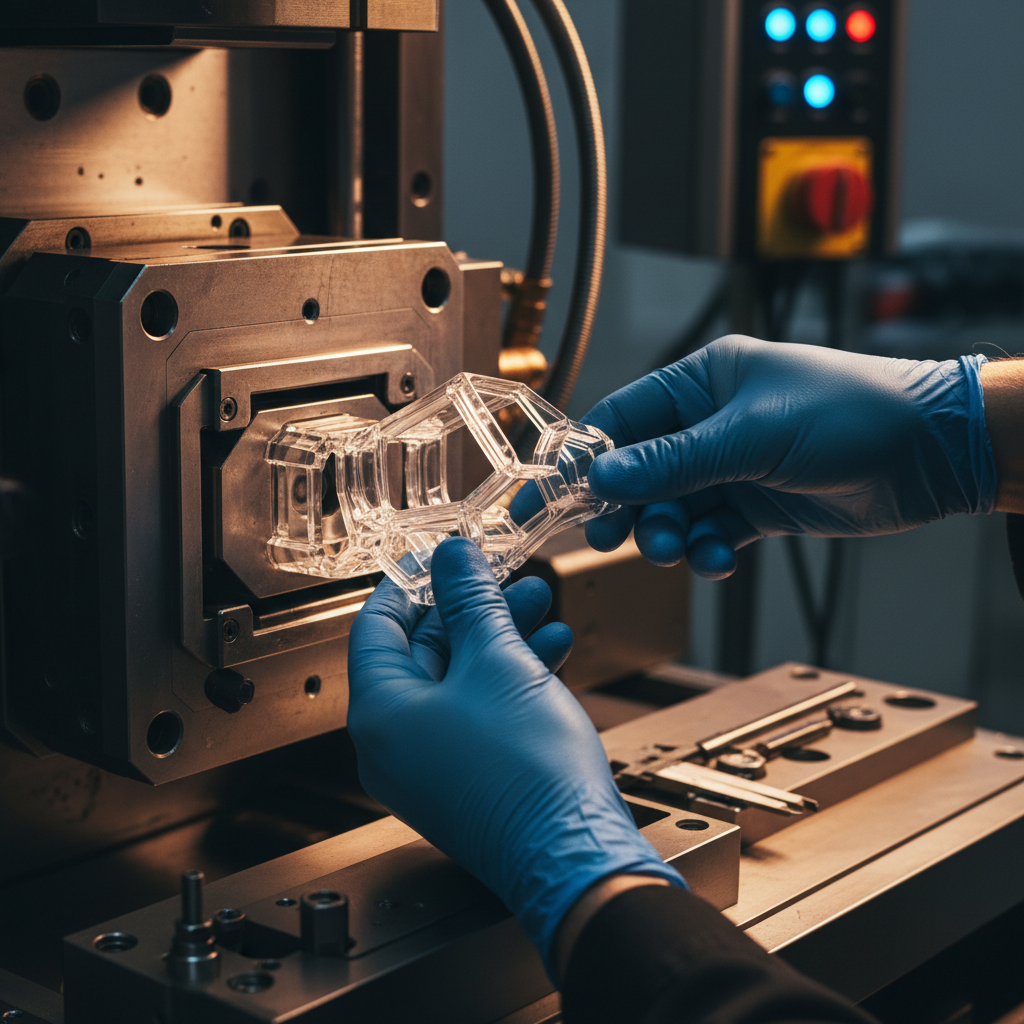
Technology plays an essential role in the molding process. Innovations such as 3D printing and advanced computer simulations allow manufacturers to test different designs and materials virtually. This technology ensures that the final products are both efficient and cost-effective.
Design Considerations for Different Sports
Different sports have unique requirements that influence the design and molding process. For instance, skiing equipment needs to be lightweight yet robust, while football gear must provide maximum protection and flexibility.
Designers work closely with athletes and experts to understand these specific needs. This collaboration leads to the development of equipment that enhances performance and safety. The molding process must accommodate these design considerations to produce high-quality products.
Environmental Impact and Sustainability
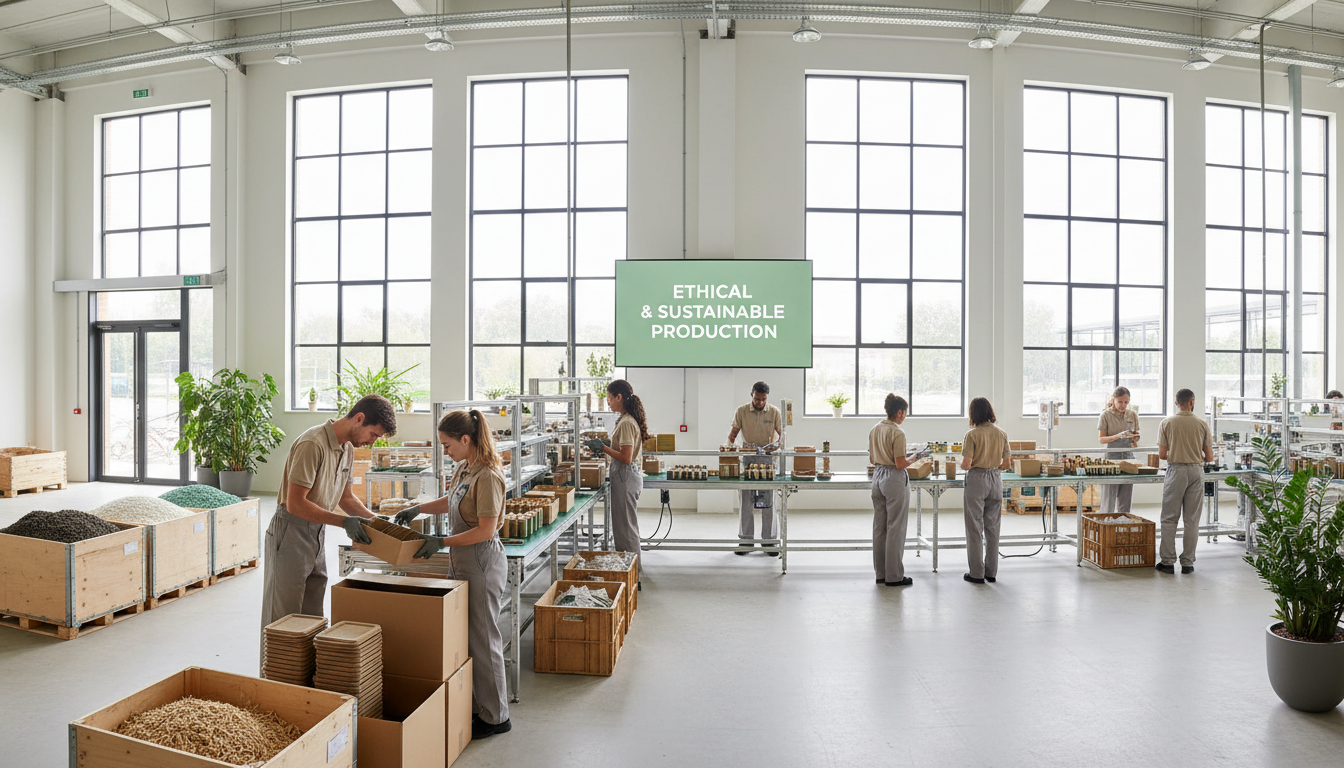
With growing awareness of environmental issues, sustainability has become a significant concern in the manufacturing industry. Using eco-friendly materials and energy-efficient molding processes can reduce the environmental impact of production.
- Recyclable materials
- Energy-efficient machinery
- Waste reduction techniques
These practices not only benefit the environment but also appeal to environmentally-conscious consumers, providing a competitive edge in the market.
Conclusion: The Future of Molding in Sports
The future of molding in outdoor sports lies in innovation and adaptability. By understanding seasonal demands and utilizing advanced materials and technology, manufacturers can produce equipment that meets the evolving needs of athletes and consumers.
As environmental and performance standards continue to rise, the industry must embrace sustainable practices and cutting-edge technology. This approach will ensure the production of high-quality sports equipment capable of thriving in any season.