Spritzguss Kunststoffteile für Robotik: Revolutionizing Robotics with Precision
Understanding Injection Molding for Robotics
Injection molding is a manufacturing process that has revolutionized the production of plastic parts, including those used in robotics. This technique involves injecting molten plastic into a mold to create complex and precise components. The ability to produce intricate designs with high accuracy makes injection molding a perfect fit for the robotics industry.
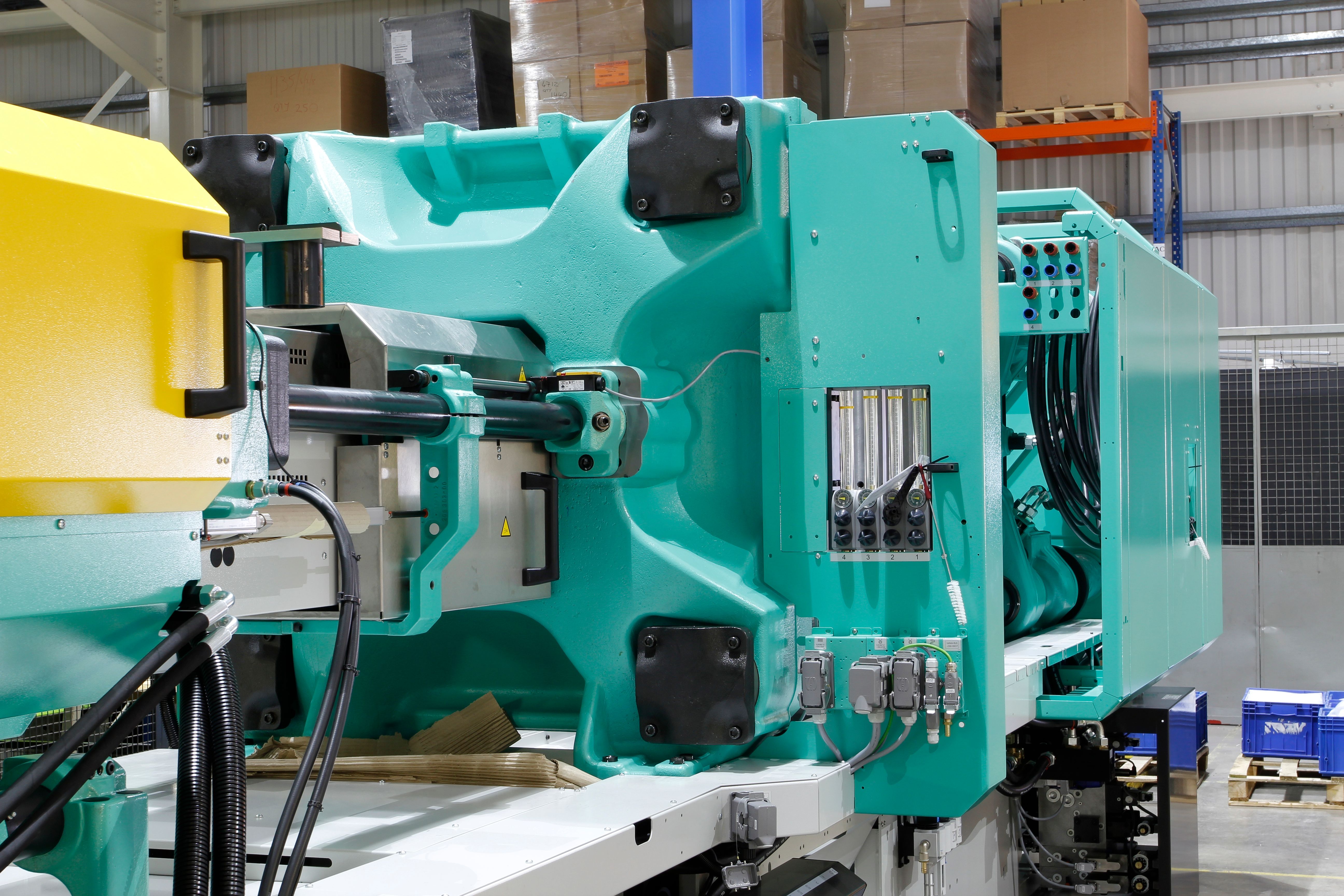
Robotics demands precision and consistency, and injection molding delivers both in spades. The repeatability of the process ensures that each part is identical to the last, which is crucial for maintaining the integrity and functionality of robotic systems. Plastic components produced through this method are not only durable but also lightweight, offering significant advantages over metal counterparts.
The Role of Plastic Components in Robotics
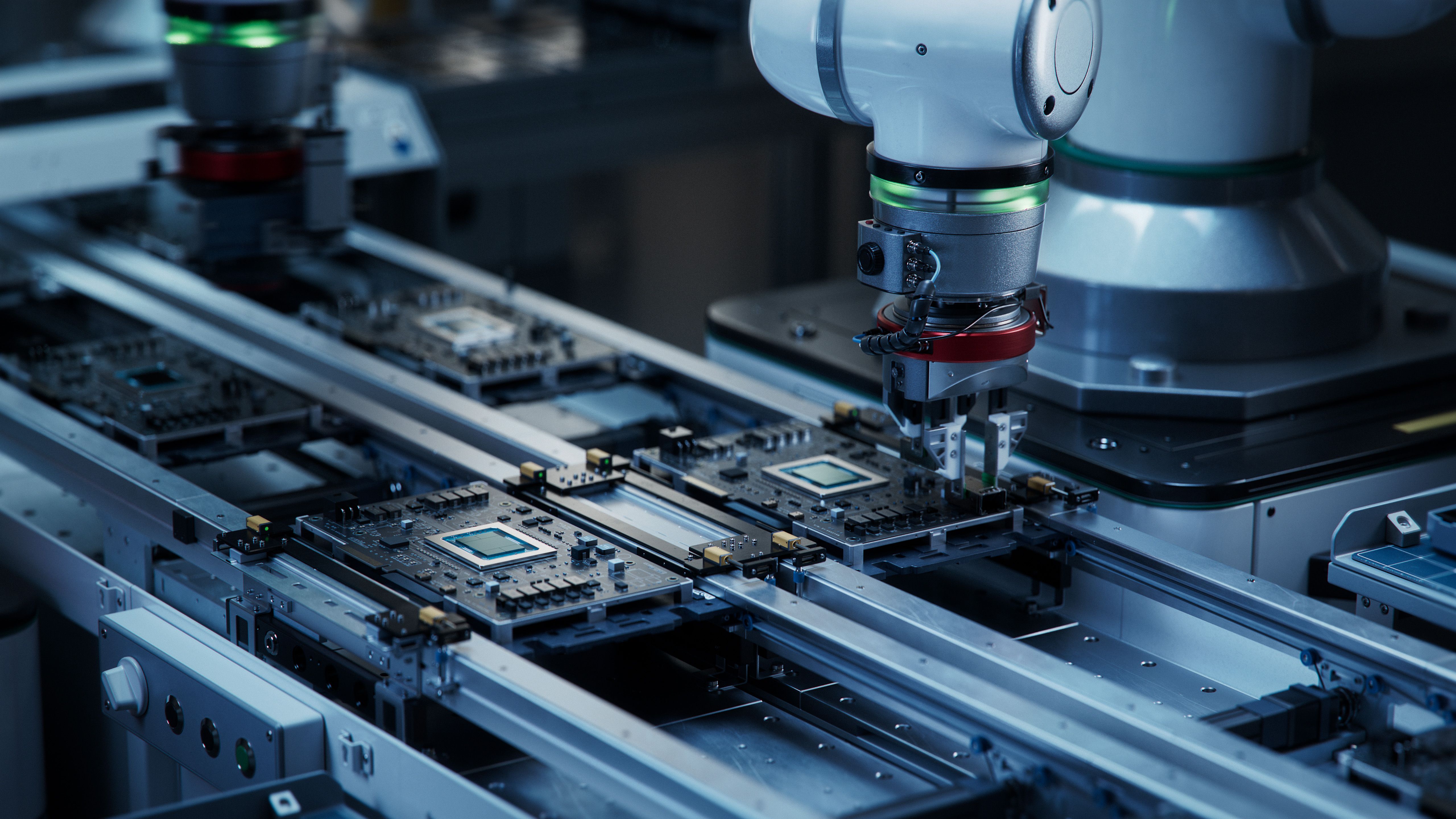
Plastic parts are integral to various robotic applications, from industrial robots on assembly lines to consumer robots in homes. They provide the flexibility and adaptability needed for different tasks. Additionally, plastics offer excellent resistance to wear and tear, making them ideal for environments that require longevity and reliability.
One of the primary benefits of using plastic in robotics is the ability to customize parts according to specific requirements. This customization can include different shapes, sizes, and functionalities, allowing for more versatile and efficient robotic designs.
Advantages of Injection Molding for Robotics
Injection molding offers several advantages for producing plastic components used in robotics:
- Cost-Effectiveness: The process is highly efficient, making it cost-effective for producing large quantities of parts.
- High Precision: The technology ensures each part is manufactured with exact specifications, crucial for robotic functionality.
- Material Variety: A wide range of plastics can be used, each offering different properties to suit specific needs.
- Speed and Efficiency: Mass production of components is fast, reducing lead times and speeding up the manufacturing process.
Innovations in Plastic Injection Molding
Advancements in injection molding technology are continually enhancing the capabilities of robotics. Innovations such as the use of biodegradable materials and advanced composites are paving the way for more sustainable and efficient robotic designs. These materials not only reduce environmental impact but also expand the functional possibilities of robots.

Moreover, the integration of smart technologies in injection molding machines allows for real-time monitoring and adjustments. This ensures even greater precision and quality control, further cementing the process as a cornerstone of modern robotics manufacturing.
Future Prospects
As robotics continues to evolve, the role of injection-molded plastic parts will undoubtedly expand. The ongoing development of new materials and techniques promises to further enhance the performance and capabilities of robots across various industries. From healthcare to manufacturing, the potential applications are virtually limitless.
In conclusion, the synergy between injection molding and robotics is a testament to how traditional manufacturing methods can adapt and thrive in a rapidly advancing technological landscape. As we look to the future, the precision and versatility of injection-molded plastic parts will continue to play a vital role in the evolution of robotics.