Spritzguss Kunststoffteile für Robotik: The Future of Precision Engineering
Introduction to Injection Molding for Robotics
In the rapidly evolving world of robotics, precision engineering is crucial. One of the most effective methods for creating precise components is injection molding, particularly with plastics. This technique is shaping the future of robotics by providing high-quality, durable, and cost-effective parts.
The Role of Plastic Parts in Robotics
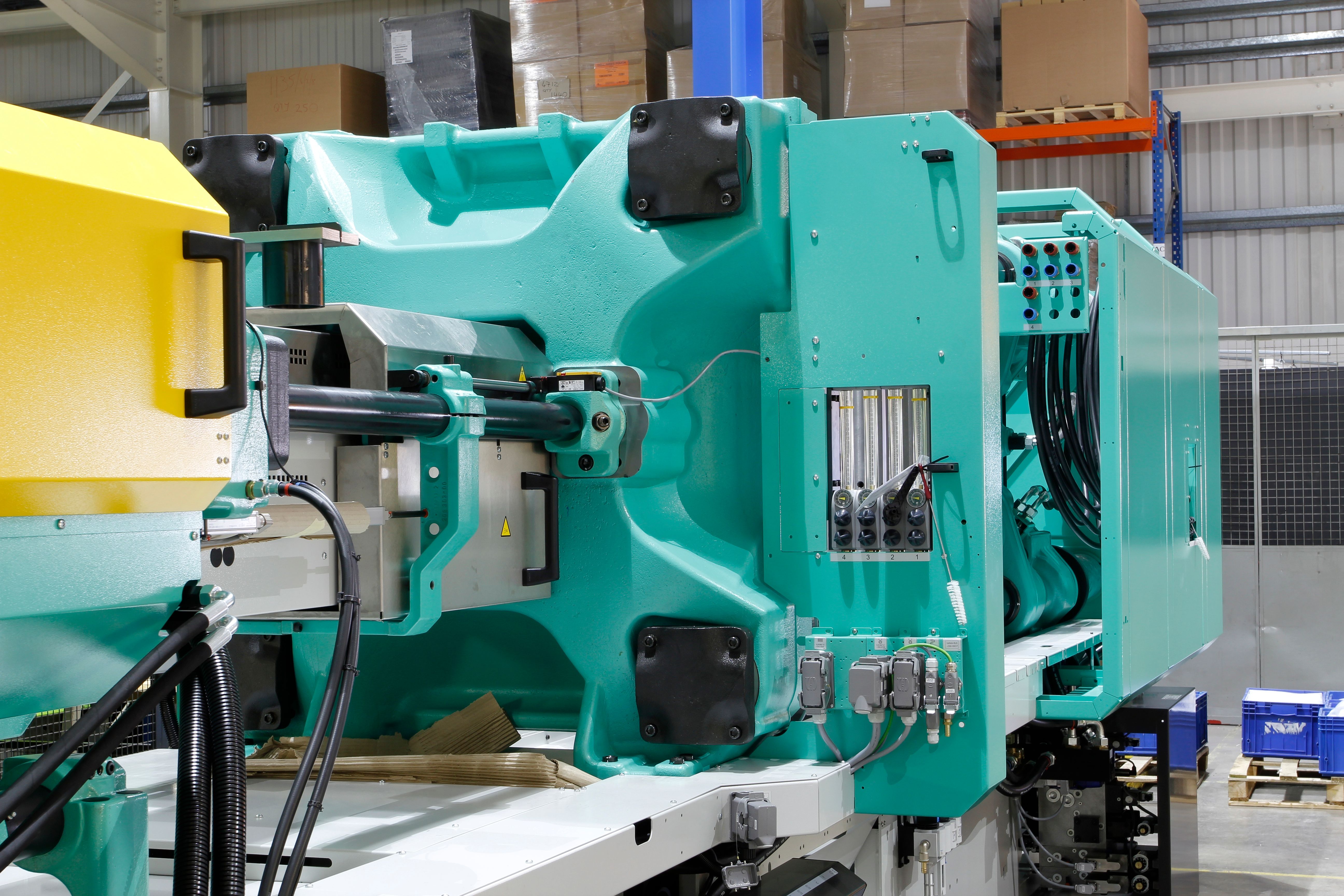
Plastic parts are integral to modern robotics due to their versatility and adaptability. They are used in a variety of applications, from housings and mounts to gears and connectors. The use of plastics allows for lighter, more efficient robots that can perform complex tasks with ease.
Injection molding enables the production of complex shapes and intricate designs, which are essential for the development of advanced robotic systems. This process also ensures consistency and precision, which are critical for the reliable performance of robotic components.
Advantages of Injection Molding in Robotics
Injection molding offers several advantages that make it an ideal choice for producing plastic parts in the robotics industry:
- Precision and Accuracy: The process allows for tight tolerances and high repeatability.
- Cost-Effectiveness: Once the mold is created, producing parts in large volumes becomes economically viable.
- Material Versatility: A wide range of plastics can be used, each offering different properties suitable for various applications.
Materials Used in Injection Molding
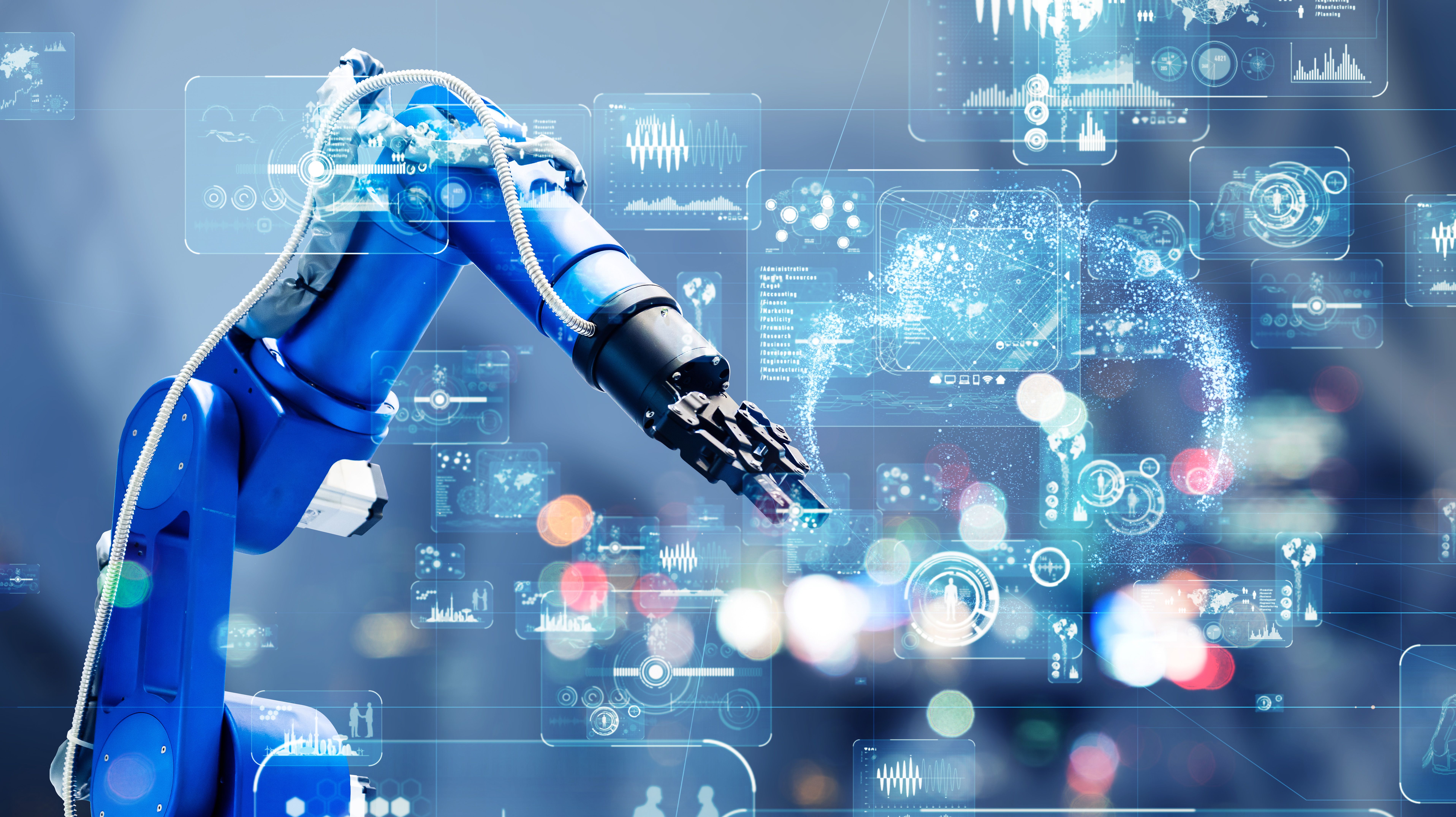
The selection of materials is a critical aspect of injection molding for robotics. Engineers often choose materials based on the specific requirements of the application. Commonly used plastics include:
- ABS: Known for its strength and toughness, ideal for structural components.
- Polycarbonate: Offers high impact resistance and clarity, suitable for transparent parts.
- Nylon: Provides excellent wear resistance, perfect for moving parts like gears.
Each material offers unique benefits, allowing engineers to tailor the properties of each component to its intended use.
Challenges and Innovations
While injection molding offers many advantages, it also presents challenges. Designing molds can be complex and requires significant upfront investment. However, recent innovations in technology, such as 3D printing for prototyping molds, have streamlined the process and reduced costs.
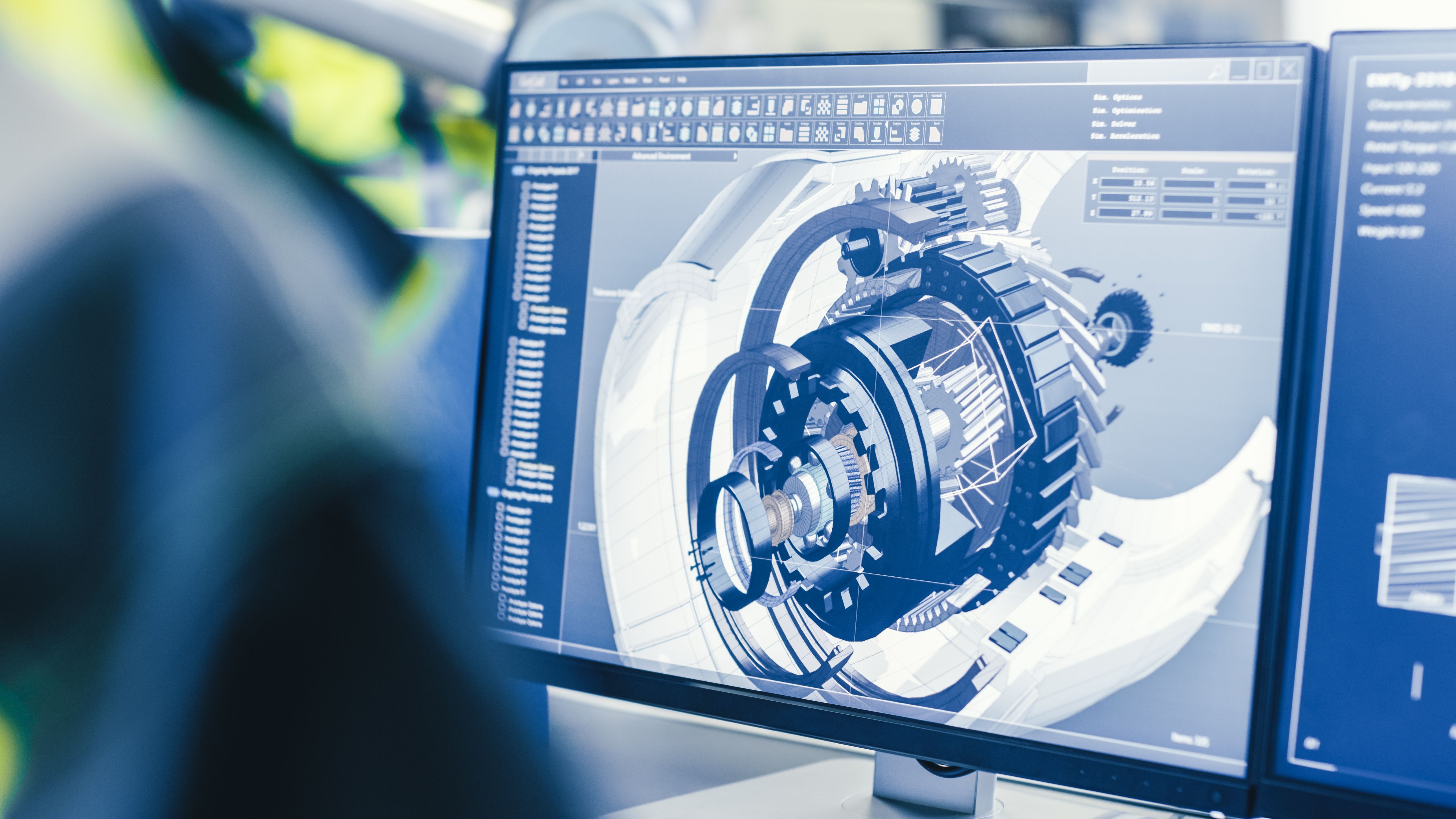
Additionally, advancements in material science are continuously expanding the capabilities of injection molding. New composites and blends are being developed, offering enhanced properties like improved thermal resistance and electrical conductivity.
The Future of Injection Molding in Robotics
As we move forward, the demand for precise and reliable robotic components will only increase. Injection molding will continue to play a pivotal role in meeting this demand, adapting to new technologies and materials. The future of robotics is bright, and the precision engineering provided by injection molding will be at its forefront.
The integration of smart manufacturing techniques and automated processes will further enhance the efficiency and capabilities of injection molding, making it an indispensable tool in the robotics industry.

Conclusion
Injection molding of plastic parts is transforming the robotics industry by providing the precision and quality needed for advanced applications. As technology progresses, this method will remain a cornerstone of robotics engineering, driving innovation and efficiency in the field.