The Future of Automotive Injection Molds in China: Innovations and Trends
Introduction to Automotive Injection Molds
The automotive industry is on the brink of a transformation, and China is at the forefront of this revolution. Central to this change is the evolution of automotive injection molds. As vehicles become more sophisticated, the demand for innovative and efficient mold designs is growing exponentially.
China, being a global manufacturing powerhouse, is leveraging its technological advancements and skilled workforce to redefine the standards of injection mold manufacturing. This blog post explores the cutting-edge innovations and trends that are shaping the future of automotive injection molds in China.
Technological Innovations Driving Change
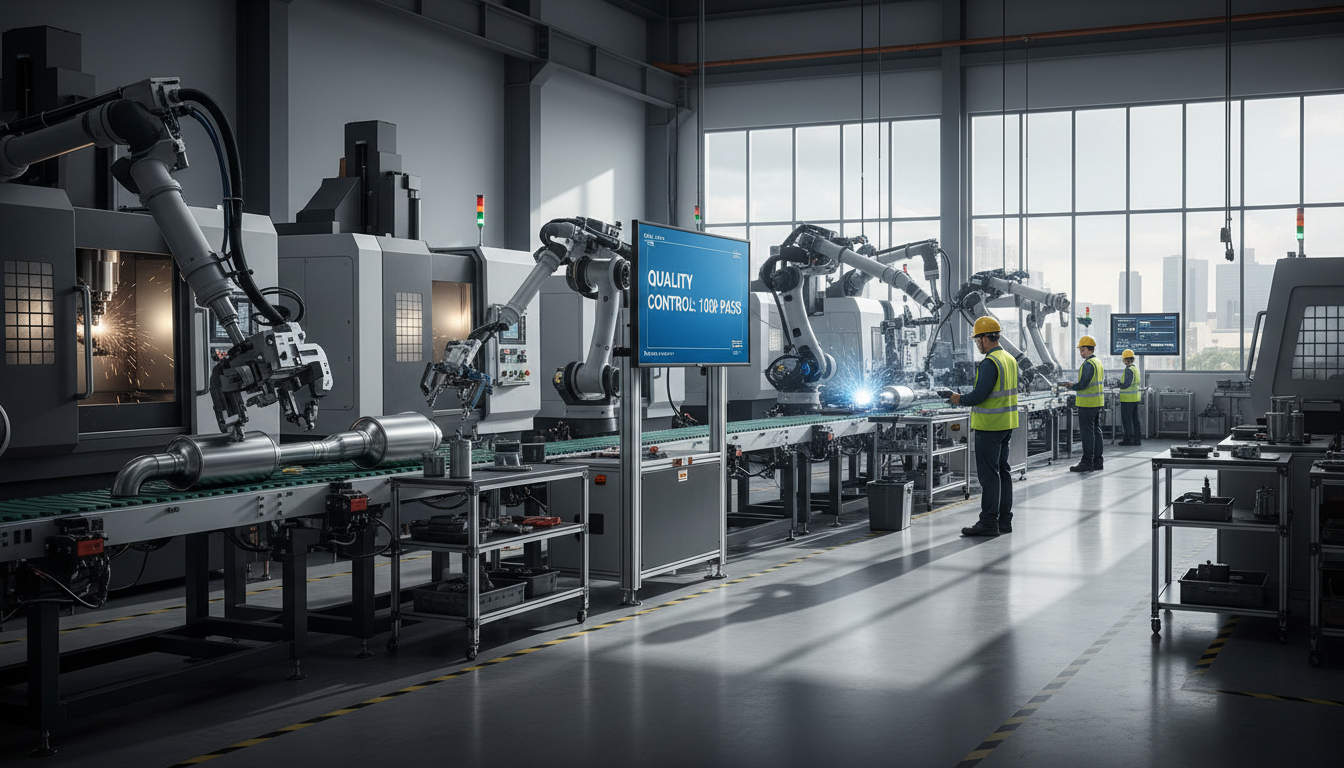
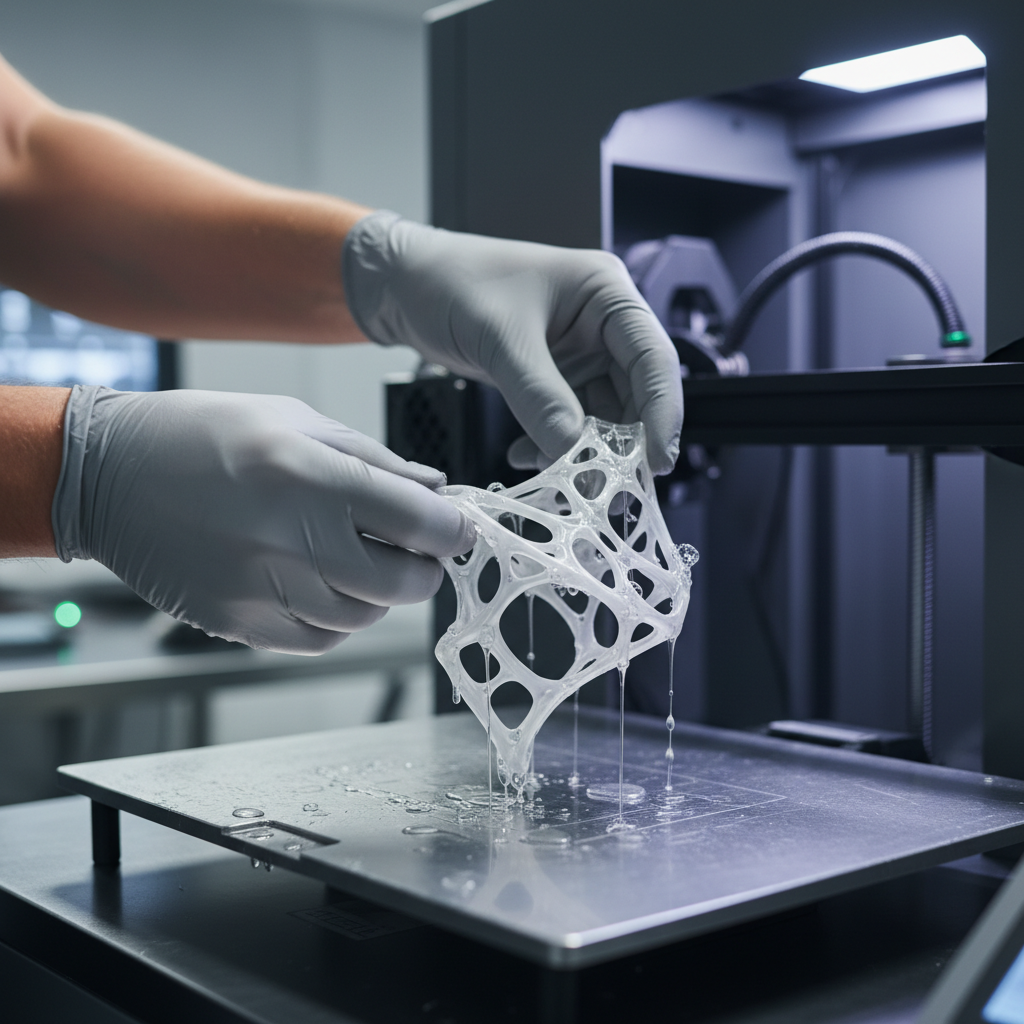
One of the primary innovations in automotive injection molds is the adoption of 3D printing technology. This technology allows for rapid prototyping and testing, significantly reducing the time and cost involved in mold production. Chinese manufacturers are increasingly using 3D printing to create complex mold designs that were previously impossible with traditional methods.
Another breakthrough is the integration of smart sensors in molds. These sensors monitor the mold's performance in real-time, providing data on temperature, pressure, and other critical metrics. This data helps in optimizing the production process and improving the quality of the final product.
Materials and Sustainability
In response to global environmental concerns, there is a significant push towards using sustainable materials in mold manufacturing. Biodegradable and recyclable materials are being incorporated into mold designs, helping reduce the environmental impact of automotive production.
Chinese manufacturers are also experimenting with composite materials that offer enhanced durability and lightweight properties. These materials not only improve the efficiency of the molds but also contribute to the overall sustainability goals of the automotive industry.

Trends in Mold Design and Production
The trend towards customization in automotive parts is influencing mold design. Manufacturers are now able to produce molds that cater to specific design requirements, allowing for greater flexibility and innovation in vehicle aesthetics and functionality.
Additionally, the integration of AI and machine learning in mold production is a game-changer. These technologies enable predictive maintenance and quality control, ensuring that potential issues are identified and addressed before they affect production.

Challenges and Opportunities
While the advancements in injection mold technology are promising, there are challenges to overcome. The high initial investment in advanced technologies and the need for skilled labor are significant hurdles for many manufacturers.
However, these challenges present opportunities for growth and collaboration. By investing in training programs and fostering partnerships with tech companies, Chinese manufacturers can continue to lead the way in mold innovation.
Conclusion
The future of automotive injection molds in China is bright, with innovations and trends paving the way for more efficient, sustainable, and customizable production processes. As the industry evolves, Chinese manufacturers are poised to play a crucial role in redefining the global automotive landscape.
By embracing new technologies and sustainable practices, China's automotive injection mold industry is set to drive significant advancements in vehicle manufacturing, benefiting not only the automotive sector but also the environment and the global economy.