The Future of Automotive Parts Manufacturing: Trends in Precision Stamping Dies
As the automotive industry continues to evolve, precision stamping dies have become increasingly vital in manufacturing high-quality parts. These dies are crucial for shaping metal sheets into the complex forms required by modern vehicles. Understanding the latest trends in this field provides insights into the future of automotive parts manufacturing.
Advancements in Precision Stamping Technology
Recent advancements in precision stamping technology are transforming how automotive parts are manufactured. The integration of computer-aided design (CAD) and computer-aided manufacturing (CAM) systems allows for more accurate and efficient die production. This technology helps reduce errors and waste, leading to cost savings and improved quality.
Moreover, the use of 3D printing for prototyping has accelerated the development process, enabling faster iterations and more innovative designs. This rapid prototyping capability is particularly beneficial in the automotive industry, where time-to-market is critical.
Materials Innovation
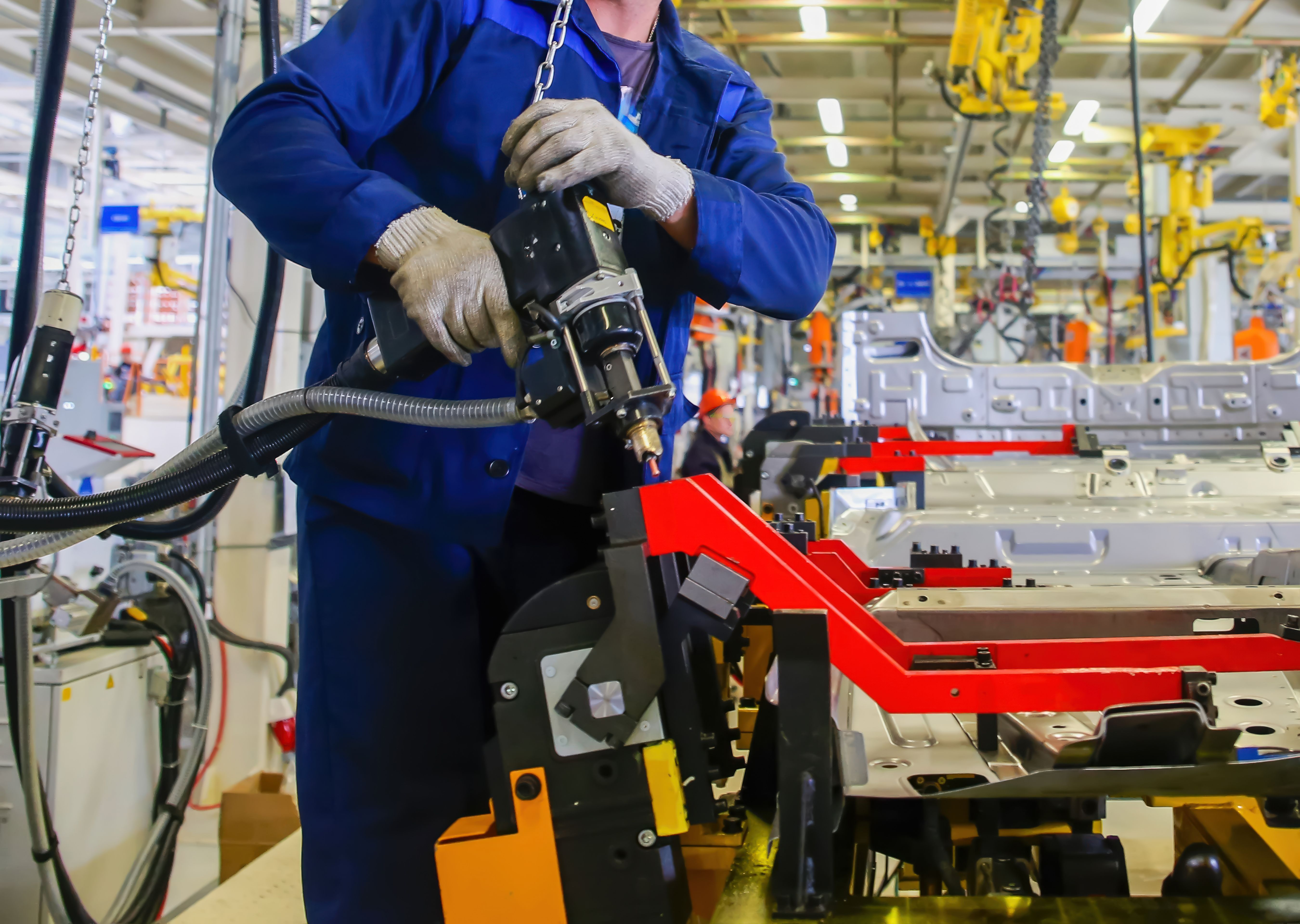
In addition to technological advancements, there is a significant shift in the materials used for precision stamping dies. High-strength steels and advanced alloys are becoming more prevalent, offering enhanced durability and performance. These materials can withstand the rigorous demands of automotive manufacturing, extending the lifespan of dies.
Furthermore, the focus on sustainability is driving the exploration of eco-friendly materials and processes. Manufacturers are increasingly interested in reducing their carbon footprint, leading to innovations in recyclable and biodegradable materials.
Automation and Robotics
Automation is another trend revolutionizing the precision stamping industry. Robotics and automated systems are being integrated to improve efficiency, consistency, and safety in manufacturing operations. Automated die handling and maintenance reduce human error and downtime, ensuring smoother production flows.
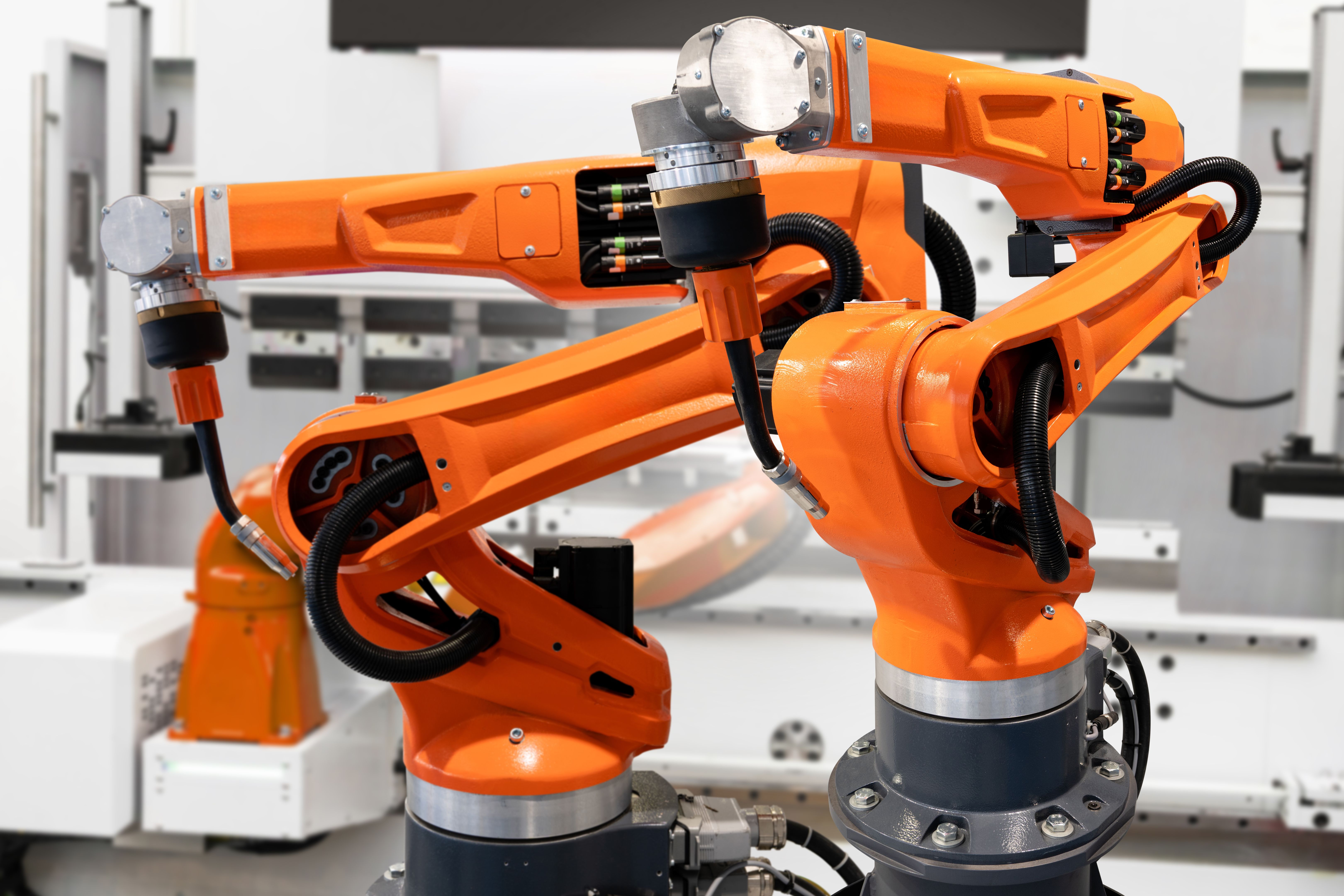
Robotic systems also offer flexibility in handling various part sizes and shapes. This adaptability is crucial as the automotive industry moves towards more customized and diverse vehicle models.
Globalization and Supply Chain Management
Globalization is reshaping the supply chain dynamics in automotive parts manufacturing. Companies are expanding their reach to new markets, requiring a more coordinated approach to supply chain management. Precision stamping manufacturers are investing in logistics and inventory systems to meet global demands efficiently.
Additionally, collaborative partnerships with international suppliers and manufacturers are becoming common. These partnerships enable companies to leverage global expertise and resources, enhancing their competitive edge.

The Role of Data and Analytics
Data and analytics play a crucial role in modern precision stamping operations. By leveraging data, manufacturers can gain valuable insights into production processes, equipment performance, and quality control. Predictive analytics helps in anticipating maintenance needs, reducing downtime, and optimizing operations.
Moreover, data-driven decision-making enables more informed strategies in product development and market positioning, ensuring manufacturers stay ahead of industry trends.
In conclusion, the future of automotive parts manufacturing through precision stamping is bright with technological innovations, material advancements, and strategic collaborations. Embracing these trends will be key for manufacturers aiming to thrive in the competitive automotive landscape.