The Impact of Die Casting on Electronics: Innovations and Best Practices
The Role of Die Casting in Electronics
Die casting has become a cornerstone in the manufacturing of electronic components, offering high precision and cost-effectiveness. This process involves forcing molten metal into a mold cavity, creating complex shapes with exceptional accuracy. The impact of die casting on electronics is profound, as it enables the production of parts with tight tolerances and excellent surface finishes.
One of the primary advantages of die casting in electronics is its ability to produce lightweight components with high strength. This is crucial for devices like smartphones, tablets, and laptops, where size and weight are critical factors. Additionally, die casting allows for the integration of multiple functions into a single part, reducing assembly time and costs.
Innovations in Die Casting for Electronics
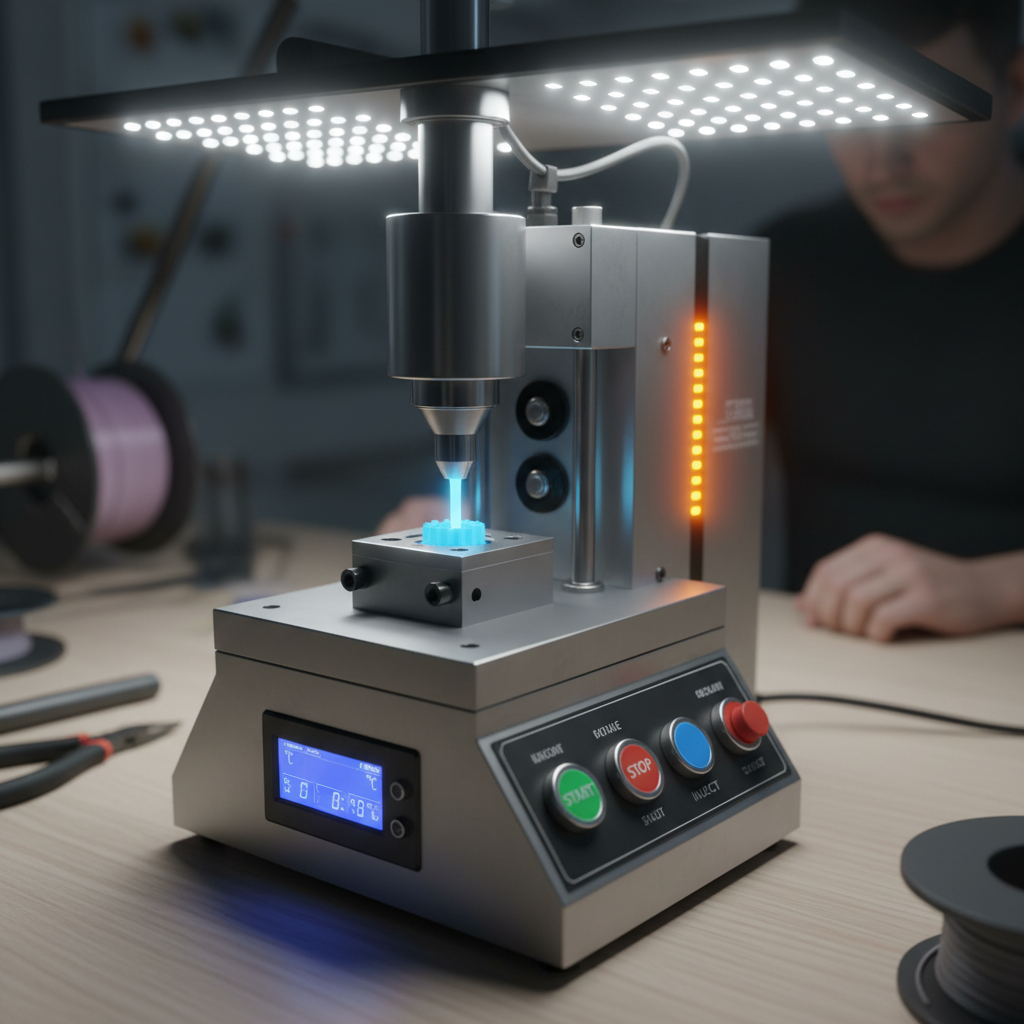
Recent innovations in die casting have further enhanced its application in electronics. Advanced materials such as magnesium and aluminum alloys are increasingly used due to their lightweight and durable properties. These materials not only improve the performance of electronic devices but also contribute to their aesthetic appeal.
Another significant innovation is the development of high-pressure die casting techniques. This method allows for the creation of thinner walls and more intricate designs, which are essential for modern electronic gadgets. Moreover, high-pressure die casting increases production speed, making it ideal for mass production.
Best Practices in Die Casting for Electronics
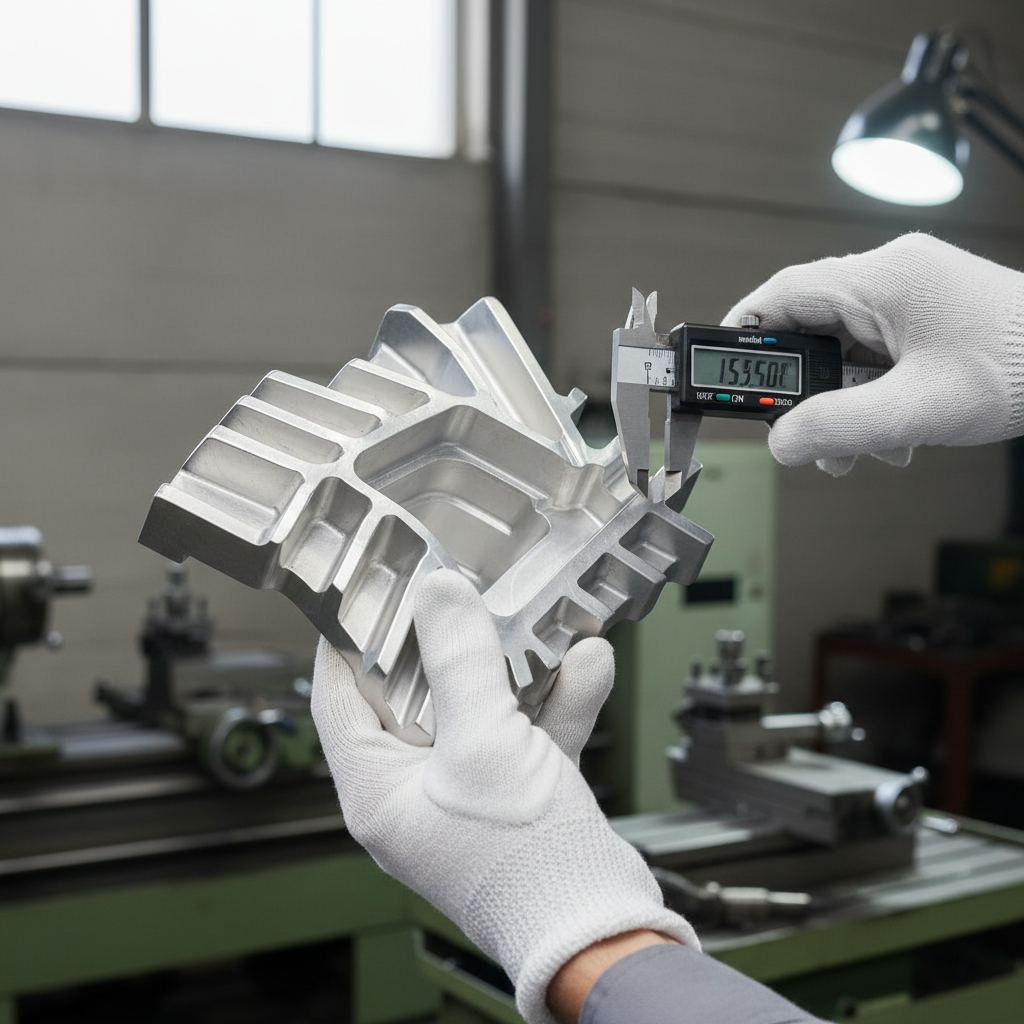
Implementing best practices in die casting ensures the production of high-quality electronic components. Here are some key practices:
- Material Selection: Choosing the right alloy is crucial for achieving the desired properties and performance.
- Design Optimization: Designing for manufacturability can significantly enhance the efficiency and quality of the die casting process.
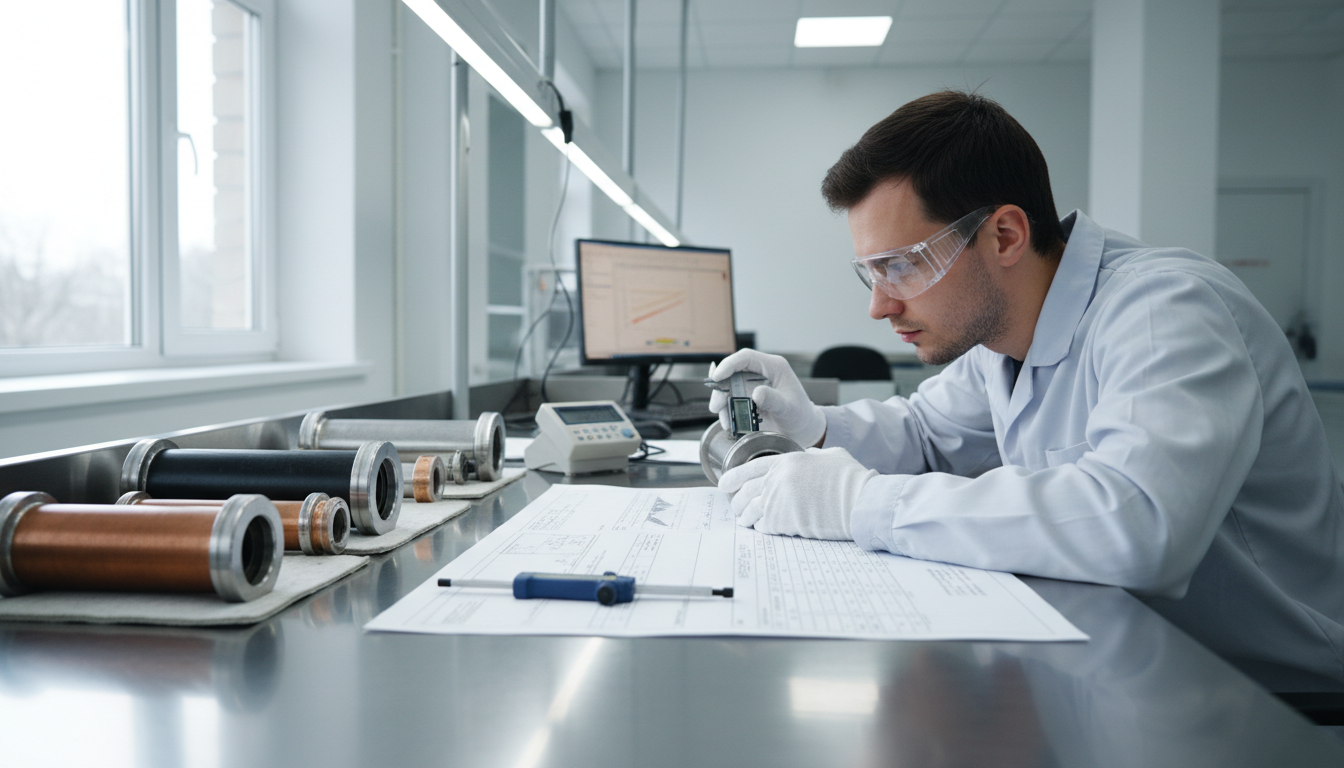
- Quality Control: Rigorous testing and inspection are necessary to maintain standards and ensure defect-free products.
By adhering to these practices, manufacturers can achieve greater consistency and reliability in their electronic components, leading to increased consumer trust and satisfaction.
Environmental Considerations
As the electronics industry seeks sustainable solutions, die casting offers several environmental benefits. The process generates minimal waste, as excess materials can be recycled and reused. Additionally, the energy-efficient nature of die casting aligns with the growing demand for eco-friendly manufacturing practices.
Furthermore, the use of recyclable materials like aluminum and magnesium contributes to reducing the carbon footprint of electronic products. This not only helps in complying with environmental regulations but also enhances the brand image of manufacturers committed to sustainability.
Future Prospects of Die Casting in Electronics
The future of die casting in the electronics sector looks promising, with ongoing research and development paving the way for further advancements. Innovations such as 3D printing and automation are expected to integrate with die casting processes, offering even more precision and customization.
As technology continues to evolve, die casting will likely play an even more significant role in shaping the electronics industry, driving innovation and improving the functionality of devices worldwide.