The Impact of Precision Stamping Dies on Automotive Part Manufacturing
In the fast-paced world of automotive manufacturing, the demand for efficiency, precision, and cost-effectiveness is higher than ever. One technology that has been pivotal in meeting these demands is precision stamping dies. These tools have revolutionized the way automotive parts are produced, offering unparalleled accuracy and consistency.

The Role of Precision Stamping Dies
Precision stamping dies are essential in shaping metal sheets into specific forms required for various automotive components. This process involves a high degree of accuracy, ensuring that each part meets rigorous specifications. The ability to produce components with such precision reduces the need for secondary operations, saving both time and resources.
Moreover, precision stamping dies help maintain the structural integrity of the parts. By ensuring that each component is crafted to exact standards, manufacturers can avoid the costly repercussions of part failure, leading to safer and more reliable vehicles.
Efficiency in Production
One of the primary advantages of using precision stamping dies is the improvement in production efficiency. These tools enable manufacturers to produce high volumes of parts quickly without sacrificing quality. The automation of the stamping process further enhances productivity, allowing for rapid turnaround times.
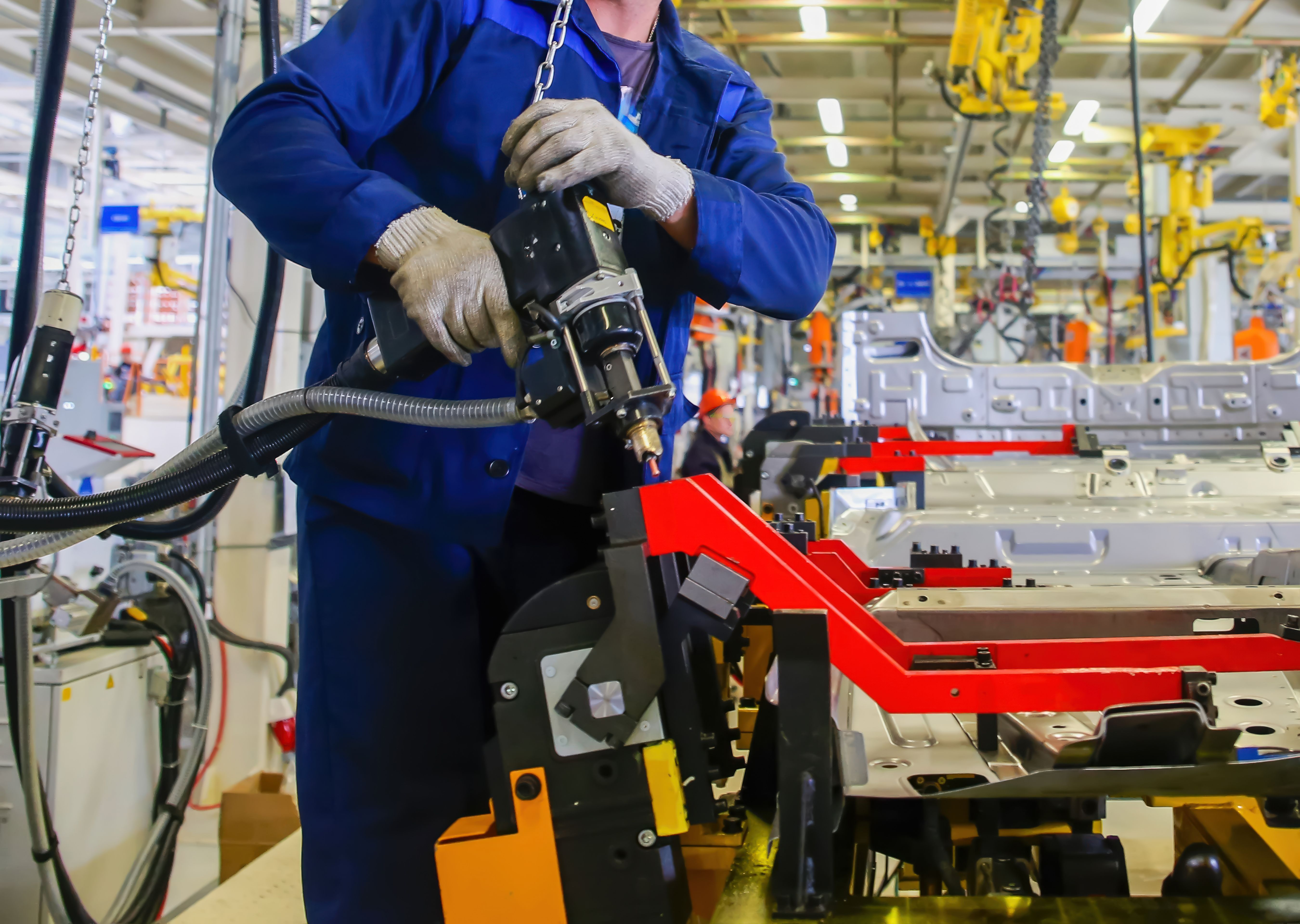
This efficiency is crucial in the automotive industry, where the ability to meet tight deadlines can be a significant competitive advantage. By streamlining the production process, manufacturers can respond more swiftly to market demands and reduce lead times.
Cost-Effectiveness and Sustainability
Precision stamping dies also contribute to cost-effectiveness in manufacturing. By minimizing material waste and reducing the need for rework, these tools help lower production costs. The initial investment in high-quality dies can be offset by the savings achieved through increased efficiency and reduced waste.
Additionally, the precision of these dies supports sustainability efforts. With less material waste and more efficient use of resources, manufacturers can reduce their environmental footprint. This alignment with eco-friendly practices is increasingly important as the automotive industry moves towards greener solutions.

Innovation and Future Trends
The future of precision stamping dies in automotive manufacturing looks promising, with advancements in technology driving further innovations. Developments in materials and design are expected to enhance the durability and functionality of stamping dies, opening new possibilities for complex part designs.
Integration with digital technologies, such as computer-aided design (CAD) and computer-aided manufacturing (CAM), is likely to play a pivotal role in the evolution of precision stamping. These tools enable more sophisticated designs and greater customization, catering to the diverse needs of modern automotive manufacturing.
Conclusion
In conclusion, precision stamping dies have a profound impact on automotive part manufacturing. By improving efficiency, reducing costs, and supporting sustainable practices, they are an indispensable asset in the industry. As technology continues to advance, the role of precision stamping dies is set to grow even more significant, shaping the future of automotive manufacturing.