Top 5 Trends in Injection Molding for Electronics and Robotics
The world of injection molding is rapidly evolving, particularly in the fields of electronics and robotics. This manufacturing process is critical for creating precise, durable components that meet the rigorous demands of these industries. As technology advances, new trends are emerging that shape the future of injection molding.
1. Advanced Material Development
One of the most significant trends is the development of advanced materials. Engineers are exploring new polymers and composites that offer enhanced properties such as increased strength, lightweight characteristics, and improved thermal resistance. These materials are essential for creating electronic components that can withstand high temperatures and mechanical stress.
In robotics, the demand for materials that can endure repetitive motion and energy transfer is growing. New blends of polymers are enabling the production of components that are both durable and flexible, meeting the unique needs of robotic applications.

2. Micro Injection Molding
As electronic devices become smaller, the components within them must also shrink. Micro injection molding is a trend that addresses this need by allowing the production of extremely small and precise parts. This method is crucial for manufacturing components in smartphones, medical devices, and compact robotics.
The ability to produce high-quality micro-sized parts without sacrificing performance is pushing the boundaries of what’s possible in electronics manufacturing. Companies investing in micro injection molding technology are gaining a competitive edge in the market.
3. Automation and Robotics Integration
Automation is transforming the injection molding industry. By integrating robotics, manufacturers can increase production efficiency and reduce labor costs while maintaining high precision and quality. Robots are now being used for tasks such as loading and unloading materials, as well as performing quality inspections.
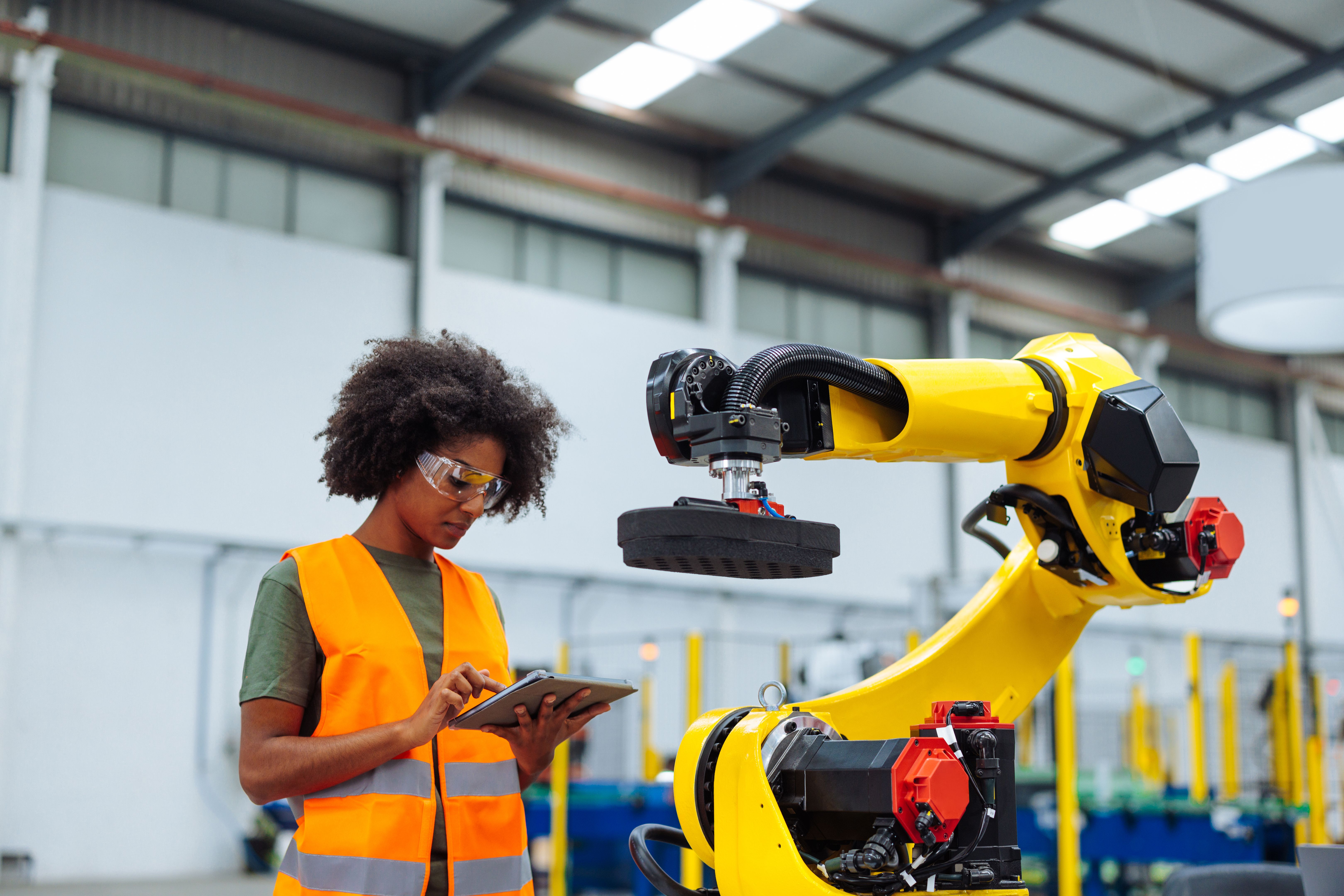
This trend not only enhances productivity but also improves safety by reducing human interaction in potentially hazardous environments. The combination of automation and robotics is setting new standards in manufacturing efficiency.
4. Sustainability and Eco-Friendly Practices
With growing awareness of environmental issues, sustainability is becoming a significant focus in injection molding. Manufacturers are adopting eco-friendly practices by using recyclable materials and implementing energy-efficient processes. This trend is vital for reducing waste and minimizing the environmental impact of manufacturing activities.
Moreover, companies are exploring bio-based polymers that offer similar properties to traditional plastics but with a reduced carbon footprint. These sustainable practices are not only beneficial for the environment but also appeal to eco-conscious consumers.

5. Industry 4.0 and Smart Manufacturing
The integration of Industry 4.0 technologies is revolutionizing injection molding. Smart manufacturing involves the use of IoT, data analytics, and artificial intelligence to optimize production processes. This technology enables real-time monitoring and predictive maintenance, reducing downtime and improving overall efficiency.
By leveraging data, manufacturers can make informed decisions that enhance the quality and consistency of their products. Industry 4.0 is paving the way for more responsive and adaptive manufacturing environments, allowing companies to stay competitive in an ever-evolving market.
As these trends continue to develop, the injection molding industry is poised for significant transformation. Staying ahead in this dynamic field requires embracing new technologies and practices that enhance both product quality and manufacturing efficiency.