Top Benefits of Using Customized Die Casting for Household Products
Understanding Customized Die Casting
Die casting is a versatile manufacturing process that involves forcing molten metal into a mold cavity under high pressure. This method is widely used for producing intricate and precise metal parts. When it comes to household products, customized die casting provides a unique edge by allowing manufacturers to tailor designs and specifications to meet specific consumer needs.

Enhanced Durability and Strength
One of the top benefits of using customized die casting for household products is the enhanced durability it offers. Products made through this process can withstand wear and tear, ensuring a longer lifespan. This is particularly important for items that are frequently used, such as kitchen utensils, doorknobs, and fixtures.
The process also provides excellent dimensional accuracy and stability, making it ideal for producing parts that require high precision. This results in products that not only last longer but also function more efficiently.
Cost Efficiency and Waste Reduction
Customized die casting is known for its cost-effectiveness. By enabling large-scale production, manufacturers can significantly reduce costs per unit. Additionally, because the process is highly automated, it minimizes labor costs and human error.
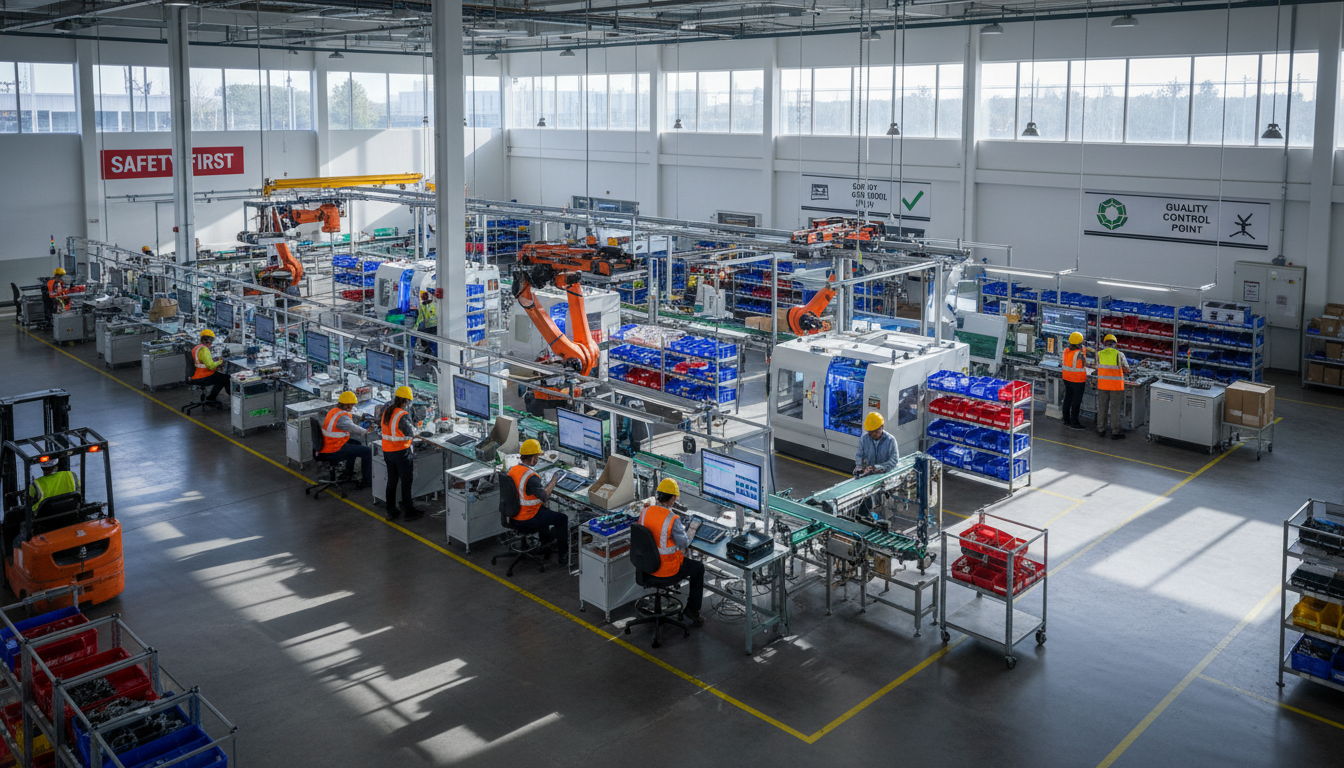
Another advantage is the reduction in material waste. The precision of die casting means less excess material is used, which not only saves money but also supports environmental sustainability.
Design Flexibility
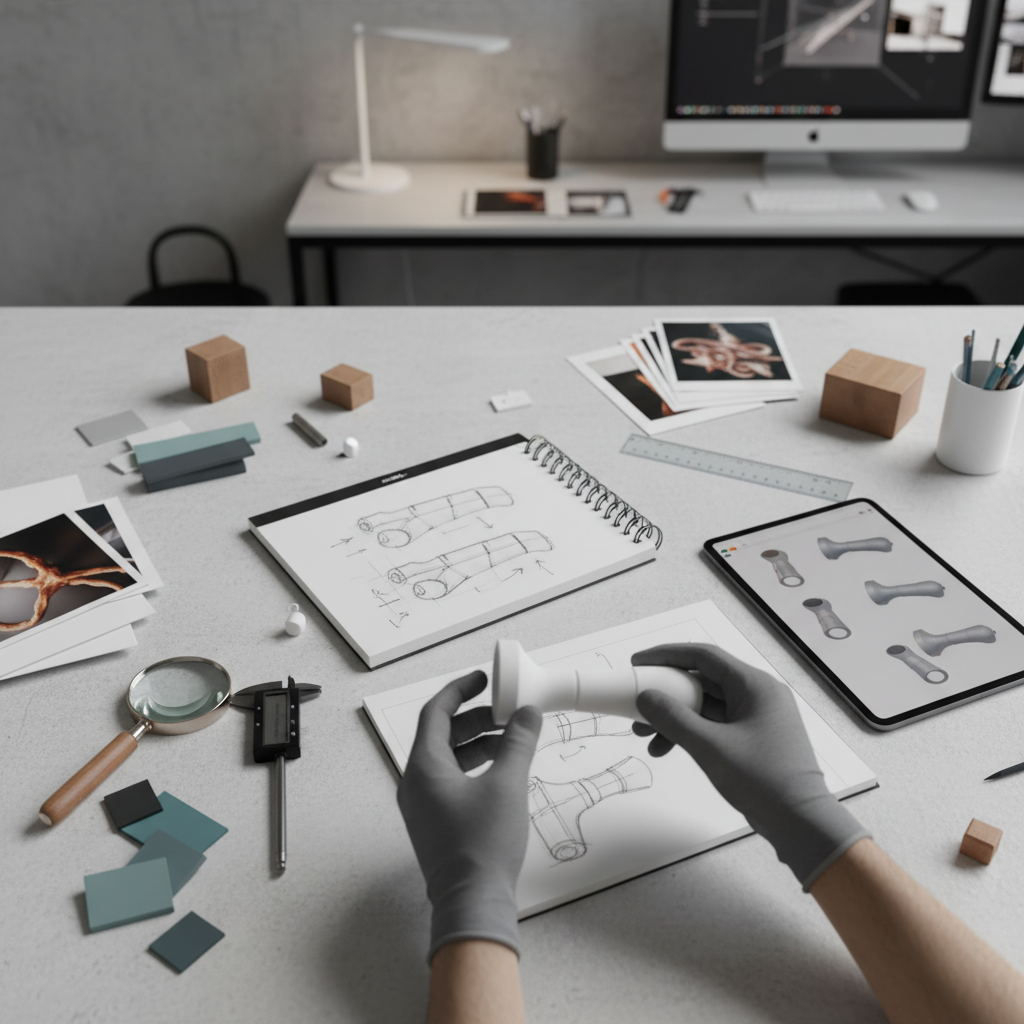
Die casting allows for a high degree of design flexibility. Manufacturers can create complex shapes and intricate details that would be difficult or impossible with other methods. This opens up a world of possibilities for household product designs, allowing for more innovative and aesthetically pleasing items.
Furthermore, customized die casting enables quick modifications and adaptations, making it easier to update product lines or introduce limited edition designs without significant retooling costs.
Improved Thermal and Electrical Conductivity
For certain household products, such as lighting fixtures and electrical components, thermal and electrical conductivity are crucial. Die casting, particularly with metals like aluminum and zinc, provides excellent conductivity. This ensures that products not only perform efficiently but also contribute to energy savings in the household.
Corrosion Resistance
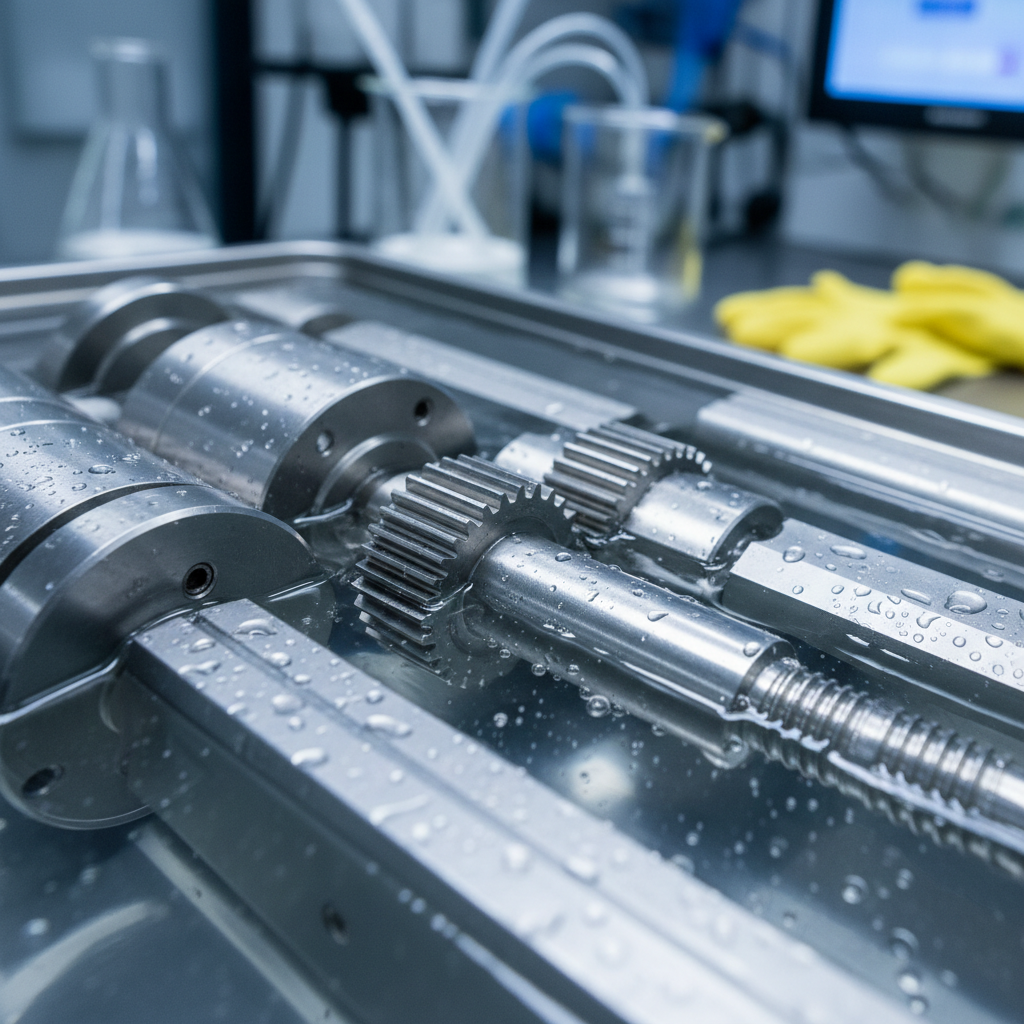
Many metals used in die casting, such as aluminum, offer natural corrosion resistance. This property is particularly beneficial for household products exposed to moisture and varying temperatures, such as bathroom fixtures and outdoor furniture. The resistance to corrosion extends the life of these products, providing better value for consumers.
Conclusion
Incorporating customized die casting into the manufacturing of household products offers numerous benefits, from enhanced durability and cost efficiency to improved design flexibility and performance. As consumer demand for high-quality, sustainable products continues to rise, die casting remains a valuable solution for meeting these needs effectively.