Top Trends in Precision Stamping for Automotive Applications
Advancements in Material Technology
One of the most significant trends in precision stamping for automotive applications is the advancement in material technology. Manufacturers are increasingly using high-strength steels and lightweight alloys to improve vehicle performance and fuel efficiency. These materials not only enhance the durability of automotive components but also contribute to weight reduction.
The use of advanced materials requires precise stamping techniques to maintain the integrity and performance of the parts. This has led to the development of specialized tools and processes designed to handle these new materials effectively.

Integration of Smart Technology
Another exciting trend is the integration of smart technology into precision stamping processes. The use of sensors and IoT devices allows for real-time monitoring and data collection, leading to enhanced precision and reduced waste. This smart integration enables manufacturers to optimize production lines and ensure consistent quality control.
By leveraging data analytics, companies can predict potential equipment failures and perform maintenance proactively, minimizing downtime and increasing operational efficiency.

Automation and Robotics
Automation and robotics have become integral to modern stamping processes. With the demand for higher precision and faster production rates, the use of automated systems ensures consistent quality and efficiency. Robotics can handle complex tasks with minimal human intervention, reducing errors and increasing safety.
Automated systems are adaptable and can be customized to meet specific production needs, making them a valuable asset in the competitive automotive industry.

Focus on Sustainability
Sustainability is a growing concern in the automotive industry, and precision stamping is no exception. Companies are implementing eco-friendly practices by using sustainable materials and reducing waste. Efficient stamping techniques minimize scrap, and recycling initiatives are becoming more common.
By focusing on sustainability, manufacturers not only contribute to environmental preservation but also meet consumer demands for greener products.
Advanced Design Software
The use of advanced design software is transforming precision stamping. These tools enable engineers to create complex designs with high precision, reducing the need for physical prototypes. Simulation and modeling software allow for virtual testing, saving time and resources.
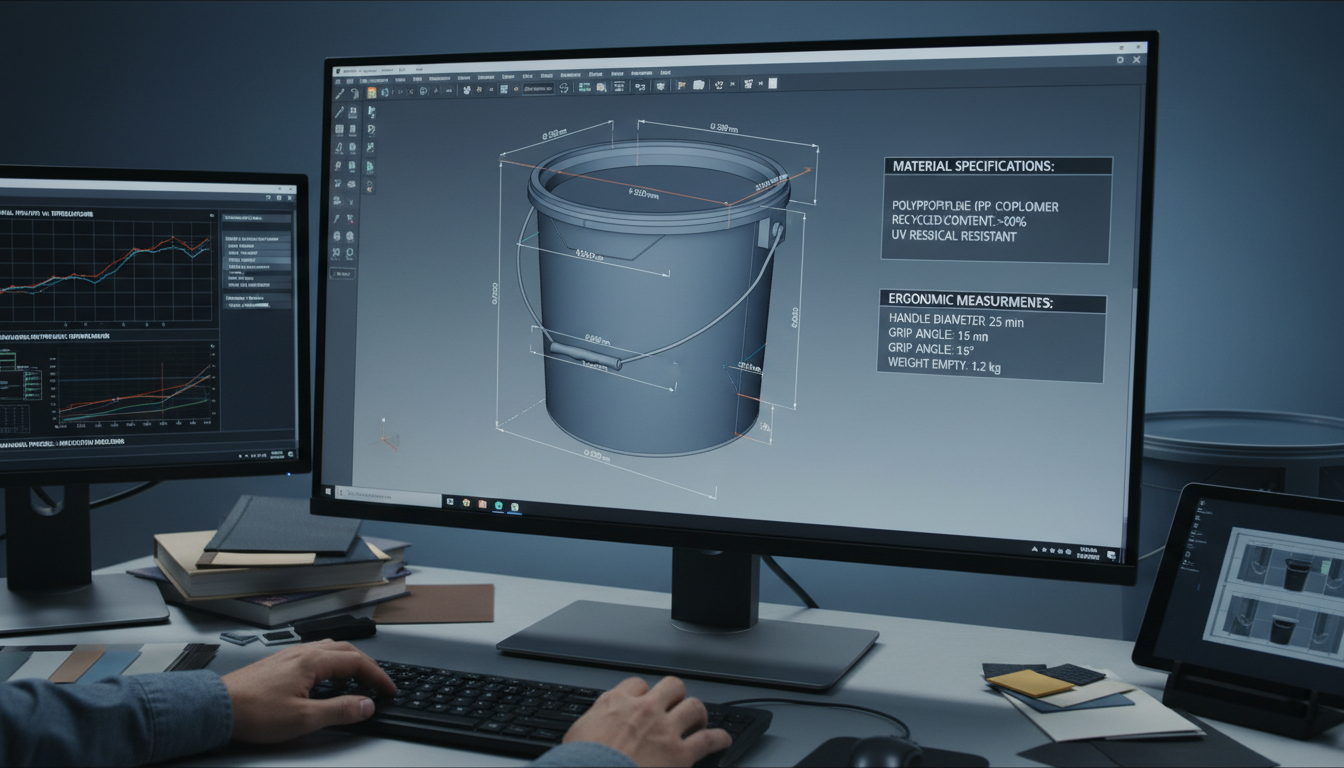
By utilizing these advanced tools, manufacturers can innovate and produce high-quality components that meet stringent automotive standards.
Enhanced Collaboration Across Supply Chains
Collaboration across the supply chain is becoming more important as manufacturers seek to streamline operations. By working closely with suppliers and partners, companies can improve communication and ensure the availability of necessary materials and components.
This collaboration leads to more efficient production processes and helps in addressing challenges quickly and effectively.

Customization and Flexibility
The automotive industry is seeing a rise in demand for customized vehicles. Precision stamping plays a crucial role in meeting these demands by offering flexibility in design and production. Customized stamping solutions allow manufacturers to cater to specific customer preferences and market trends.
With flexible stamping techniques, companies can adapt to changes swiftly, enhancing their competitive edge in the market.