Understanding the Impact of Seasonal Changes on Mold Manufacturing in Changzhou
Mold manufacturing in Changzhou, a bustling hub of industrial activity, is significantly influenced by the region's seasonal changes. Understanding these impacts is crucial for optimizing production and maintaining high-quality outputs. This article explores how different seasons affect mold manufacturing processes and what manufacturers can do to mitigate potential challenges.
Climate and Its Effects on Mold Precision
Changzhou experiences distinct seasonal variations, which can affect the precision and quality of mold manufacturing. In particular, temperature fluctuations can lead to expansion and contraction of materials, potentially impacting the dimensional accuracy of molds. Manufacturers need to account for these changes, especially during the extremes of summer and winter.
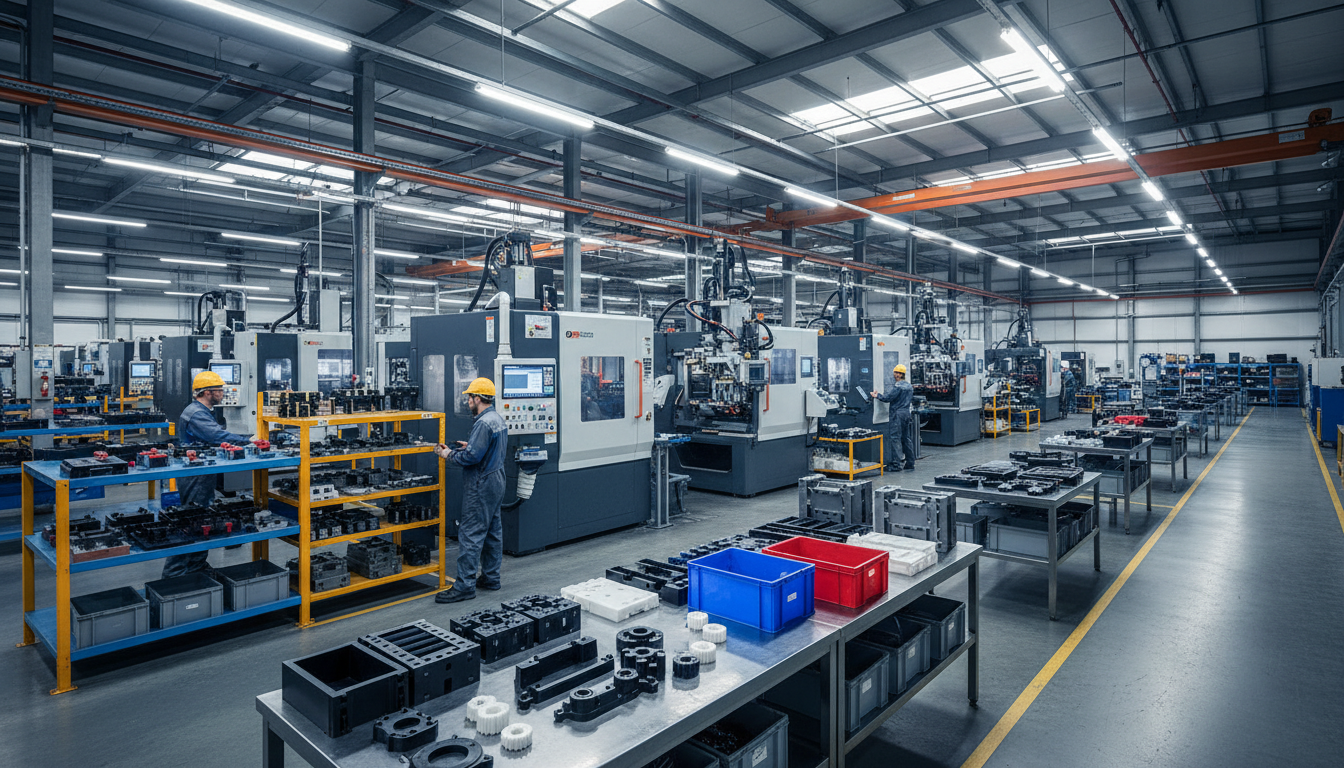
Humidity also plays a critical role. During the damp spring months, increased moisture levels can lead to corrosion and rust formation on metal components. This not only affects the longevity of the molds but also their surface finish, necessitating regular maintenance and protective measures.
Material Selection and Seasonal Adaptation
The choice of materials is pivotal in mitigating the effects of seasonal changes. For instance, using corrosion-resistant alloys and implementing surface treatments can help combat the adverse effects of humidity and temperature variations. Additionally, selecting materials with low thermal expansion coefficients ensures that molds maintain their precision across different seasons.
Production Schedule Adjustments
To optimize efficiency, manufacturers often adjust their production schedules according to seasonal demands. During the warmer months, when energy consumption peaks due to cooling requirements, staggering production times can help reduce costs. Conversely, in cooler months, leveraging natural cooling can be beneficial.
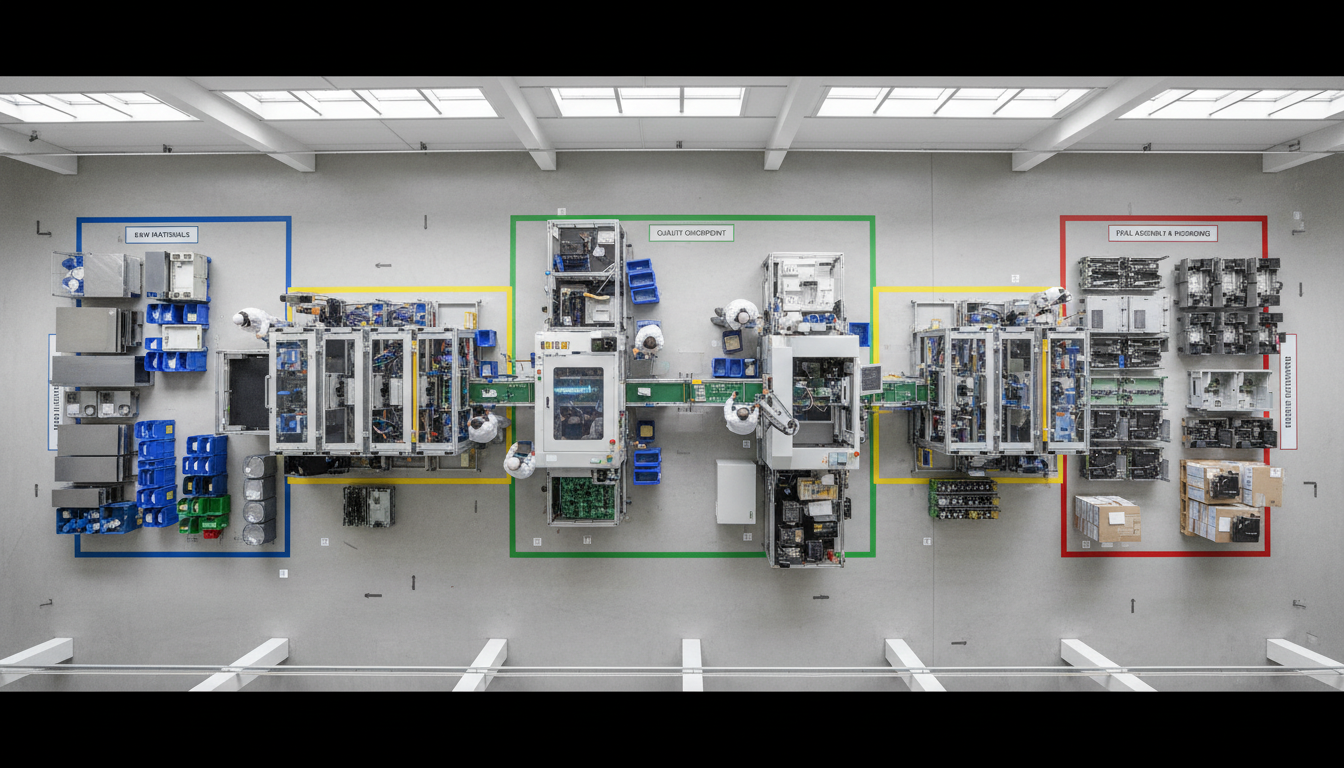
Moreover, aligning production with seasonal market demands allows manufacturers to maximize their output. For example, producing molds for products that see higher demand during specific seasons ensures better resource allocation and reduced inventory costs.
Technological Solutions for Environmental Control
Advancements in technology offer solutions to mitigate the impact of seasonal changes. Implementing climate control systems within manufacturing facilities can help maintain consistent environmental conditions, thereby preserving mold quality. These systems regulate temperature and humidity, ensuring optimal conditions throughout the year.
Employee Training and Safety
Seasonal changes not only affect machinery and production but also the workforce. Training employees to handle equipment safely during extreme weather conditions is crucial. For instance, ensuring proper hydration and breaks during hot summer days can prevent health issues and maintain productivity.

Similarly, in colder months, providing appropriate clothing and ensuring safe working conditions can prevent accidents and health-related problems. Investing in employee well-being ultimately translates into better performance and higher quality outputs.
Conclusion
Understanding and adapting to the impact of seasonal changes is essential for mold manufacturers in Changzhou. By implementing strategic material selection, adjusting production schedules, and utilizing technological advancements, manufacturers can maintain high standards of quality and efficiency throughout the year. The key lies in proactive planning and continuous adaptation to the ever-changing environmental conditions.